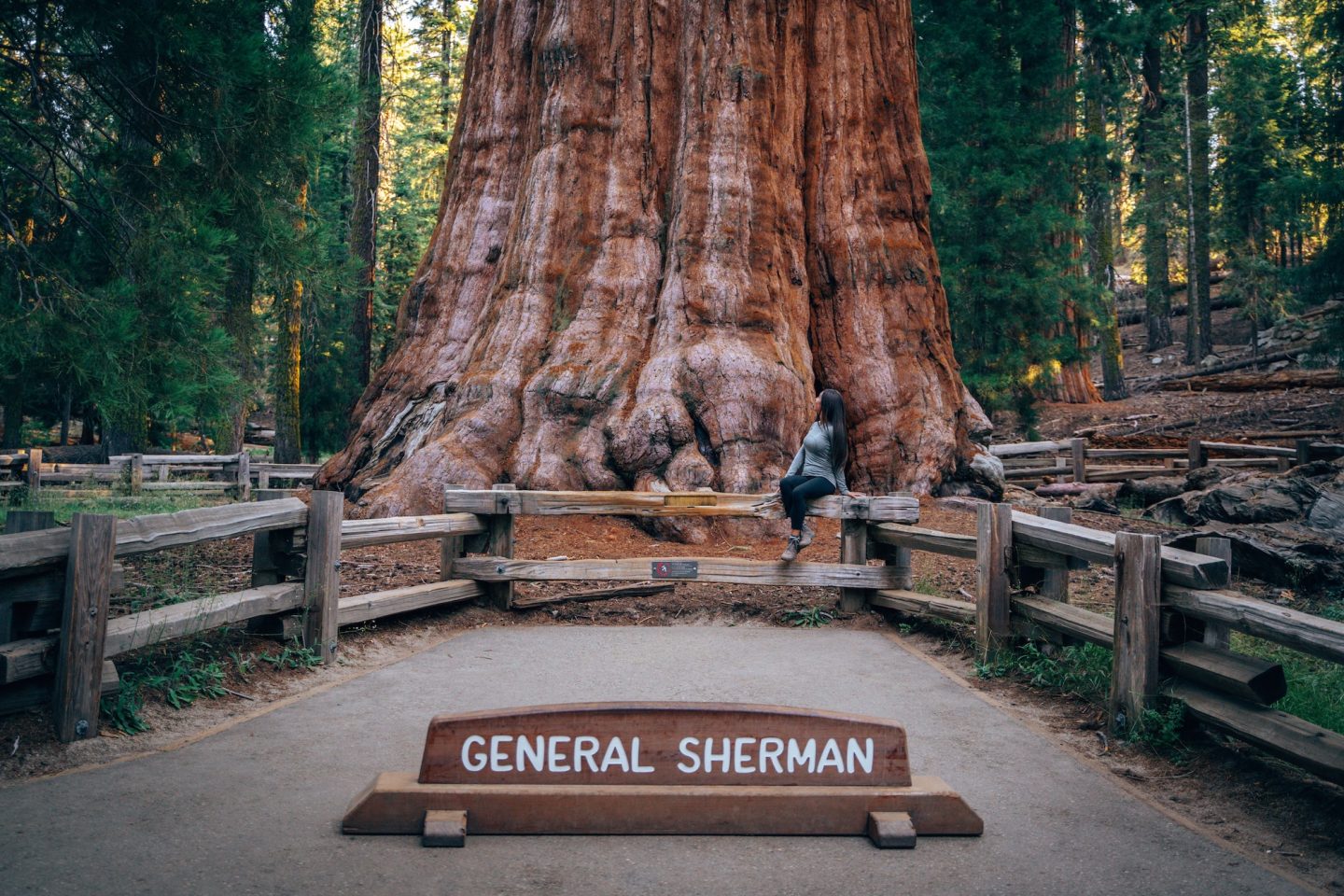
Towering trees, deep canyons, and high-elevation wilderness define Sequoia National Park in a way few places can match. Home to the largest trees on Earth and dramatic Sierra Nevada landscapes, the park blends easy-access highlights with rugged backcountry adventure. Visitors can stand beneath the General Sherman Tree, hike through Giant Forest, or drive scenic mountain roads that climb above 7,000 feet. Wildlife, waterfalls, granite peaks, and quiet alpine meadows add to the variety. Whether you have one day or several, Sequoia National Park delivers scale, beauty, and a sense of perspective that’s hard to find anywhere else.
- ABOUT SEQUOIA NATIONAL PARK
- WHERE IS SEQUOIA NATIONAL PARK LOCATED?
- ENTRY TO SEQUOIA NATIONAL PARK
- SEQUOIA NATIONAL PARK ENTRANCES
- BEST TIME TO VISIT SEQUOIA NATIONAL PARK
- SEASONAL ROAD CLOSURES & REQUIREMENTS
- VISITING SEQUOIA NATIONAL PARK DURING THE SUMMER
- PLACES TO STAY IN SEQUOIA NATIONAL PARK
- PLACES TO STAY BY SEQUOIA NATIONAL PARK
- THINGS TO DO IN SEQUOIA NATIONAL PARK
- HOW MUCH TIME IS NEEDED
- OTHER THINGS TO CONSIDER
- ULTIMATE GUIDE TO SEQUOIA NATIONAL PARK
- CALIFORNIA BUCKET LIST MAP
- LOOKING FOR MORE CALIFORNIA INSPIRATION?
ABOUT SEQUOIA NATIONAL PARK
Established in 1890, Sequoia National Park became the second national park in the United States, created to protect the giant sequoia groves from logging. These massive trees, including the General Sherman Tree, can live for more than 2,000 years and grow over 275 feet tall. What makes them remarkable is not just their height, but their volume and resilience. Thick, fire-resistant bark protects them from low-intensity fires, which actually help the forest regenerate by clearing underbrush and opening cones. Without periodic fire, young sequoias struggle to take root.
Beyond the trees, Sequoia National Park protects a wide range of Sierra Nevada ecosystems, from foothill oak woodlands to alpine peaks above 14,000 feet. Mount Whitney, the tallest peak in the contiguous United States, rises along the park’s eastern boundary. Deep canyons, including the dramatic Kern River canyon, carve through the landscape and create one of the most vertically diverse parks in the country. Together, the ancient trees and rugged terrain give the park both ecological importance and a sense of scale that feels larger than life.
WHERE IS SEQUOIA NATIONAL PARK LOCATED?
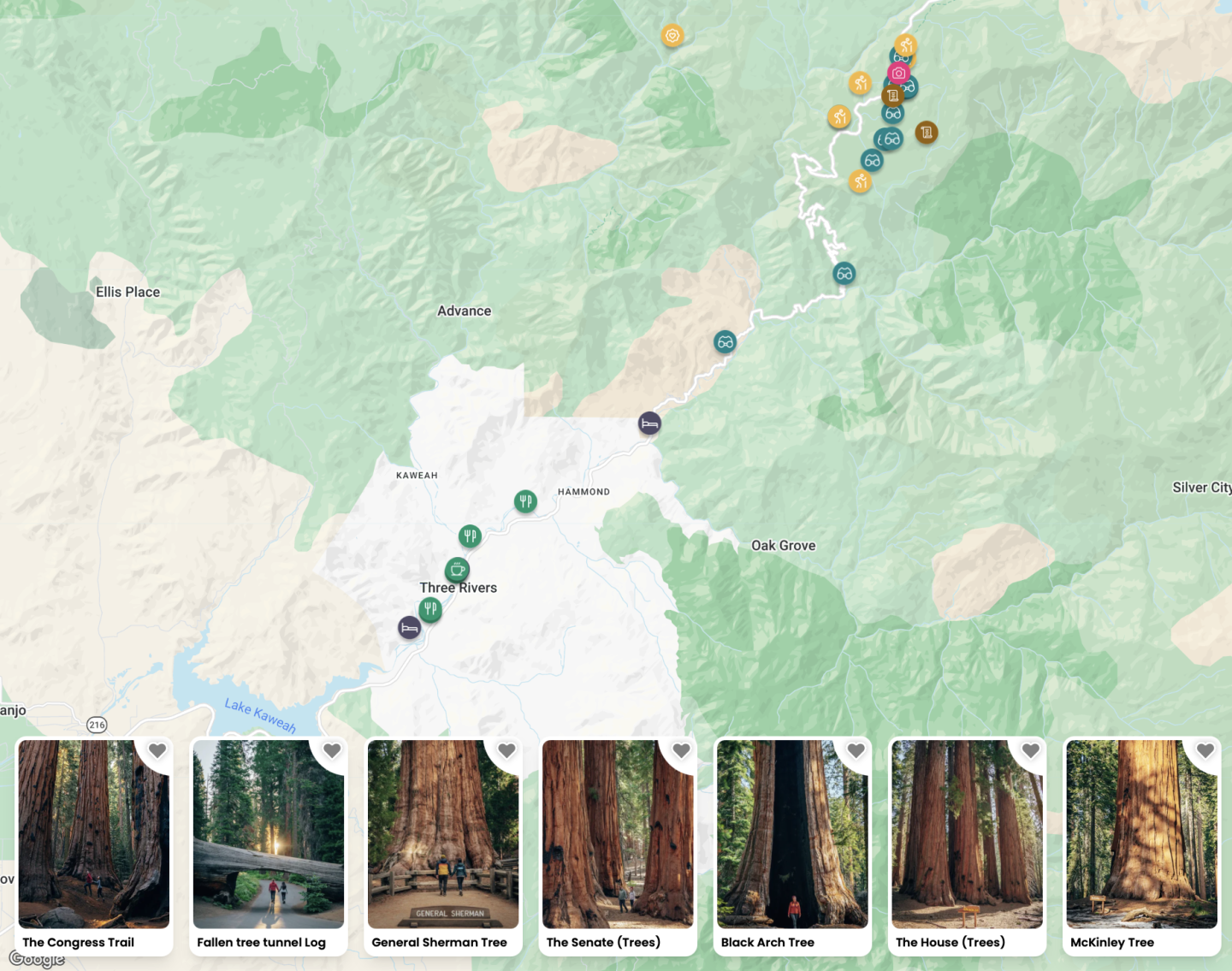
Sequoia National Park sits in California’s southern Sierra Nevada, east of the San Joaquin Valley and west of the high desert. The park lies about one hour east of Visalia and roughly four to five hours from San Jose and Los Angeles, depending on the entrance you use. Most visitors enter through the Ash Mountain Entrance near Three Rivers, which climbs steadily into the mountains along Generals Highway. The park borders Kings Canyon National Park to the north, and the two parks operate together as a single destination. Its central California location makes Sequoia National Park accessible for weekend trips, yet remote enough to feel wild once you arrive.
Drive time from:
- Las Vegas – 8 hours
- Los Angeles – 4.5 hours
- San Diego – 7.5 hours
- San Francisco – 6.5 hours
MAP OF SEQUOIA NATIONAL PARK
ENTRY TO SEQUOIA NATIONAL PARK
Visitors can enter Sequoia National Park without timed-entry reservations in most seasons, though temporary restrictions may be implemented during peak summer weekends and major holidays. Standard entrance fees are typically around $35 per vehicle for a seven-day pass, with reduced rates for motorcycles and individuals arriving on foot or bicycle. The America the Beautiful pass is also accepted. Entry lines tend to be light and fast on weekdays outside of summer, but queues can form at the Ash Mountain entrance during July and August afternoons and holiday weekends. Arriving early in the morning or later in the afternoon usually helps you avoid the longest waits. Always check current park alerts before your trip, as weather, road closures, or maintenance can affect access.
SEQUOIA NATIONAL PARK ENTRANCES
Sequoia National Park has two primary vehicle entrances. The most commonly used is the Ash Mountain Entrance near Three Rivers, which connects to Generals Highway and climbs into Giant Forest. The second is the Big Stump Entrance near Grant Grove, which primarily serves Kings Canyon but provides access to Sequoia via the shared highway between the parks. Most visitors enter through Ash Mountain, especially when heading toward the General Sherman Tree and Giant Forest. Winter weather can temporarily close higher elevation roads, so access may vary by season.
BEST TIME TO VISIT SEQUOIA NATIONAL PARK
Late spring through early fall offers the most reliable access to Sequoia National Park, with open roads, flowing waterfalls, and full trail access. June and July bring strong snowmelt and vibrant alpine scenery, but they also draw the largest crowds. August and September often provide calmer conditions with warm days and fewer visitors. Winter transforms the park into a quieter, snow-covered landscape, though tire chains and limited access are common. Spring can feel unpredictable, with lingering snow at higher elevations. For a balance of good weather and manageable crowds, early summer or early fall typically delivers the best overall experience.
SEASONS
SPRING
- Avg Low temps: 35–45ºF / 2–7ºC
- Avg High temps: 60–70ºF / 16–21ºC
SUMMER
- Avg Low temps: 50–60ºF / 10–16ºC
- Avg High temps: 75–85ºF / 24–29ºC
FALL
- Avg Low temps: 35–45ºF / 2–7ºC
- Avg High temps: 60–70ºF / 16–21ºC
WINTER
- Avg Low temps: 25–35ºF / -4–2ºC
- Avg High temps: 45–55ºF / 7–13ºC
SEASONAL ROAD CLOSURES & REQUIREMENTS
Seasonal closures and road requirements in Sequoia National Park are largely determined by weather conditions, particularly during fall and winter months when snow and ice are common. In fall(September to November), some areas begin to close as temperatures drop. Higher-elevation roads such as Mineral King Road usually close by late October, and certain campgrounds and facilities may also shut down for the season. Late fall can bring early snowfall, so tire chains may be required, especially on roads like the Generals Highway, which connects the main areas of the park. It’s important to check weather and road conditions before heading out, as snowfall can be unpredictable.
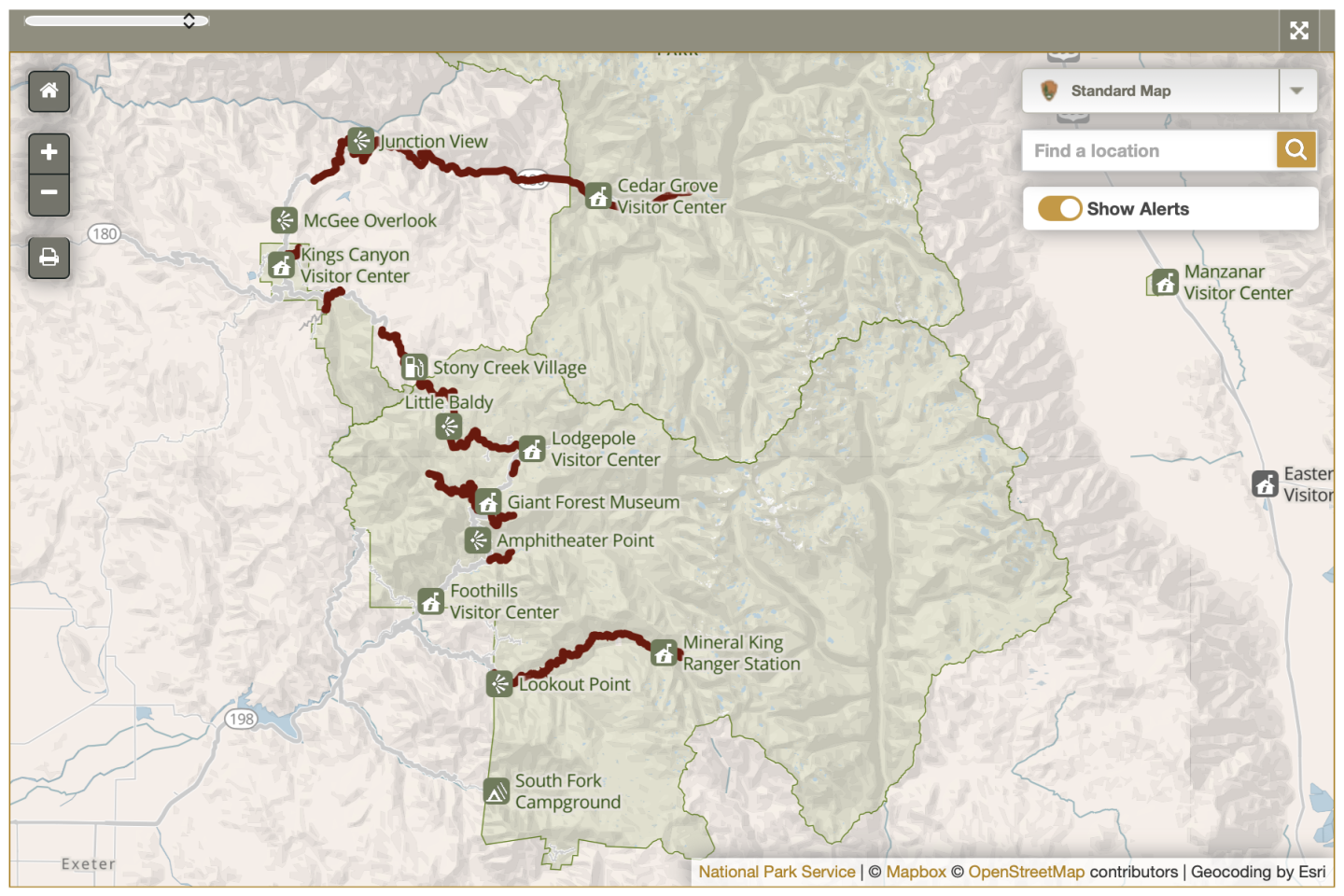
Winter (December to February) brings significant closures, as snow and ice make many areas of the park inaccessible. Roads like Crescent Meadow Road and Sherman Tree Road often close, along with high-elevation areas like Mineral King and Crystal Cave. However, lower-elevation areas, including the Giant Forest, remain open, offering opportunities for winter activities like snowshoeing and cross-country skiing. During winter, tire chains are mandatory, even for 4WD vehicles, and are often required from November through April due to snow and icy conditions on roads like the Generals Highway.
In spring (March to May), snow begins to melt at lower elevations, but many high-elevation areas and roads remain closed until late May. Roads such as the Mineral King Road typically open in late spring, and some trails may still be muddy or snowy at higher elevations. Early spring visitors may encounter snow on the roads, especially at higher altitudes. So it’s important to be prepared with tire chains, which may be required in some areas.
VISITING SEQUOIA NATIONAL PARK DURING THE SUMMER
During summer (June to August), the park is fully open, with clear roads and all trails accessible. This is the best time for outdoor activities like hiking, camping, and sightseeing, as road closures are rare, and no special equipment is needed for driving. However, because summer is peak season, popular areas may be crowded, especially near major attractions like the General Sherman Tree.
When you visit, is ultimately up to you on what type of experience you are looking for. If you want to avoid road closures and chain requirements all together, summer is your best bet. If you want to see Sequoia National Park’s giant sequoia trees with snow on the ground, fall or late spring are your best options. But be prepared for chain requirements, possible road closures, and longer hikes, as some trailheads may be inaccessible.
PLACES TO STAY IN SEQUOIA NATIONAL PARK
Sequoia National Park offers a variety of lodging options within the park, catering to different preferences and budgets. Whether you’re looking to stay in a rustic cabin, or camp under the stars, there are plenty of choices to enhance your visit.
WUKSACHI LODGE
Located within the park, Wuksachi Lodge is the most popular accommodation option. This rustic yet comfortable lodge is near the Giant Forest, providing easy access to key attractions like the General Sherman Tree and Moro Rock. The lodge offers hotel-style rooms, a restaurant, and scenic views of the Sierra Nevada mountains. It’s an ideal choice for those wanting modern amenities close to the action.
CAMPING IN SEQUOIA
For those who prefer a more immersive nature experience, there are several campgrounds within Sequoia National Park. Popular campgrounds like Lodgepole and Dorst Creek provide tent and RV camping, and they’re situated near key attractions. Lodgepole is especially convenient, located near the Giant Forest and visitor center. These sites often fill up quickly, so reservations are recommended during the summer months.
LODGEPOLE CAMPGROUND
Lodgepole Campground sits in the heart of Sequoia National Park near Giant Forest, making it one of the most convenient places to camp. The campground spreads through a shaded pine forest along the Marble Fork of the Kaweah River. Campsites accommodate tents and RVs, though there are no hookups. Flush toilets, potable water, and a nearby market add convenience compared to more remote campgrounds. Its central location provides quick access to the General Sherman Tree and surrounding trailheads. For many visitors, Lodgepole offers a practical and scenic basecamp inside the park.
POTWISHA CAMPGROUND
Potwisha Campground sits in the lower foothills of Sequoia National Park near the Ash Mountain Entrance. Warmer temperatures and oak woodlands define this area, giving it a different feel than the higher elevation forests. Campsites accommodate tents and RVs, though there are no hookups available. Flush toilets and potable water provide basic comfort, and several sites sit near the Middle Fork of the Kaweah River. Its lower elevation often keeps it accessible when snow impacts other campgrounds. For visitors entering from Three Rivers, Potwisha offers a convenient first stop inside the park.
DORST CREEK CAMPGROUND
Dorst Creek Campground sits along Generals Highway between Lodgepole and Grant Grove, placing it in a central corridor between Sequoia and Kings Canyon. The campground spreads through a mixed forest of pine and fir, with sites set back for a bit more spacing and privacy. Campsites accommodate tents and RVs, though there are no hookups. Flush toilets and potable water are available during the main season. Its mid-elevation location often brings cooler temperatures than the foothills while avoiding the heaviest traffic near Giant Forest. For travelers exploring both parks, Dorst Creek offers a balanced and practical basecamp.
PLACES TO STAY BY SEQUOIA NATIONAL PARK
Outside of the park, there are a number of towns and cities that offer more comfortable lodging options, whether you’re looking for a budget hotel or a unique Airbnb. But our recommendation, is to stay in the town of Three Rivers. This quaint little town is the true gateway to Sequoia National Park, being located just 3 miles from the park’s southern entrance. And if you stay at the Gateway Restaurant and Lodge, it is literally a 2 minute drive from your hotel room to the park entrance. You don’t get much closer and more convenient than that! So here’s a few options:
GATEWAY RESTAURANT AND LODGE
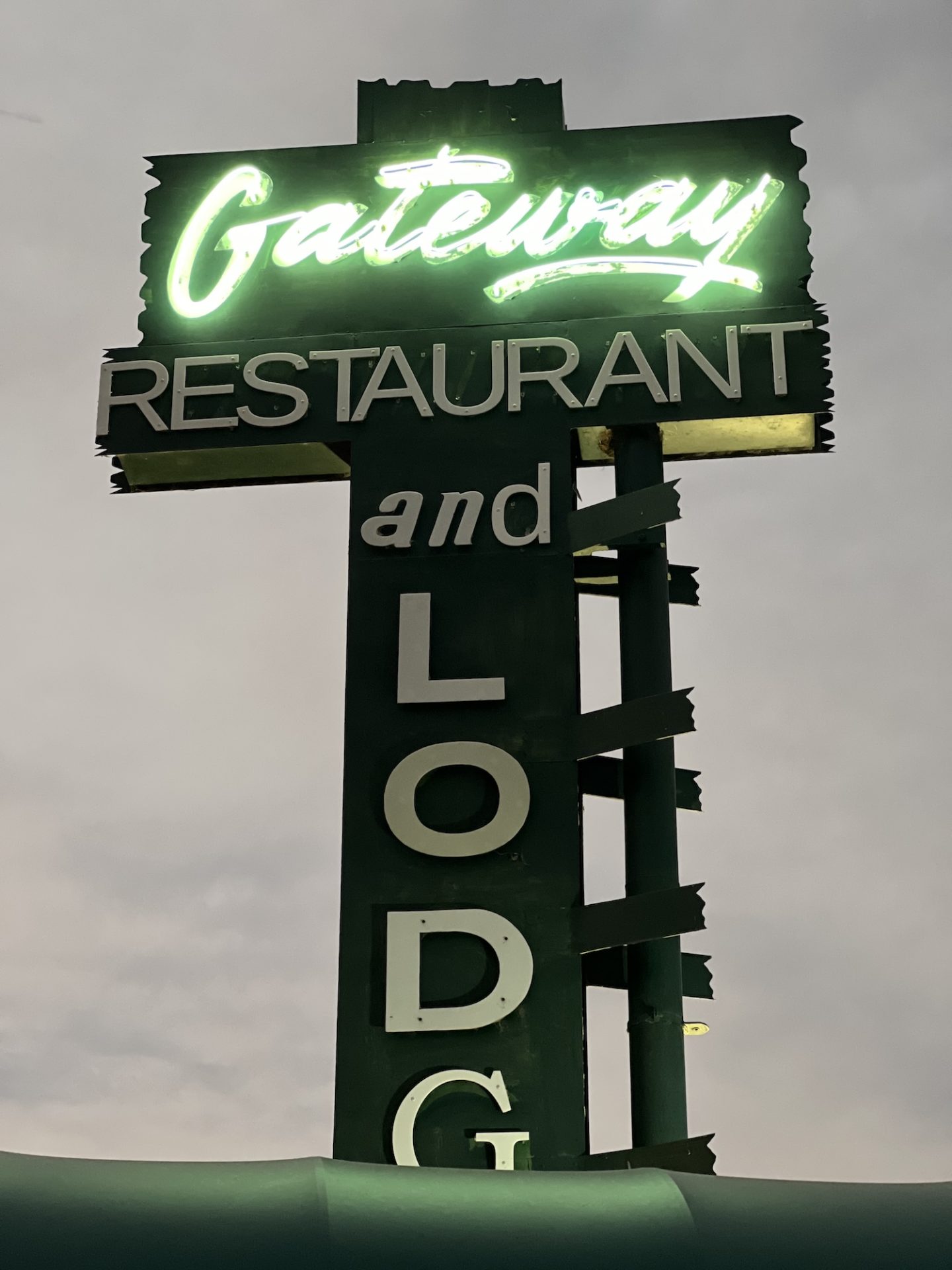
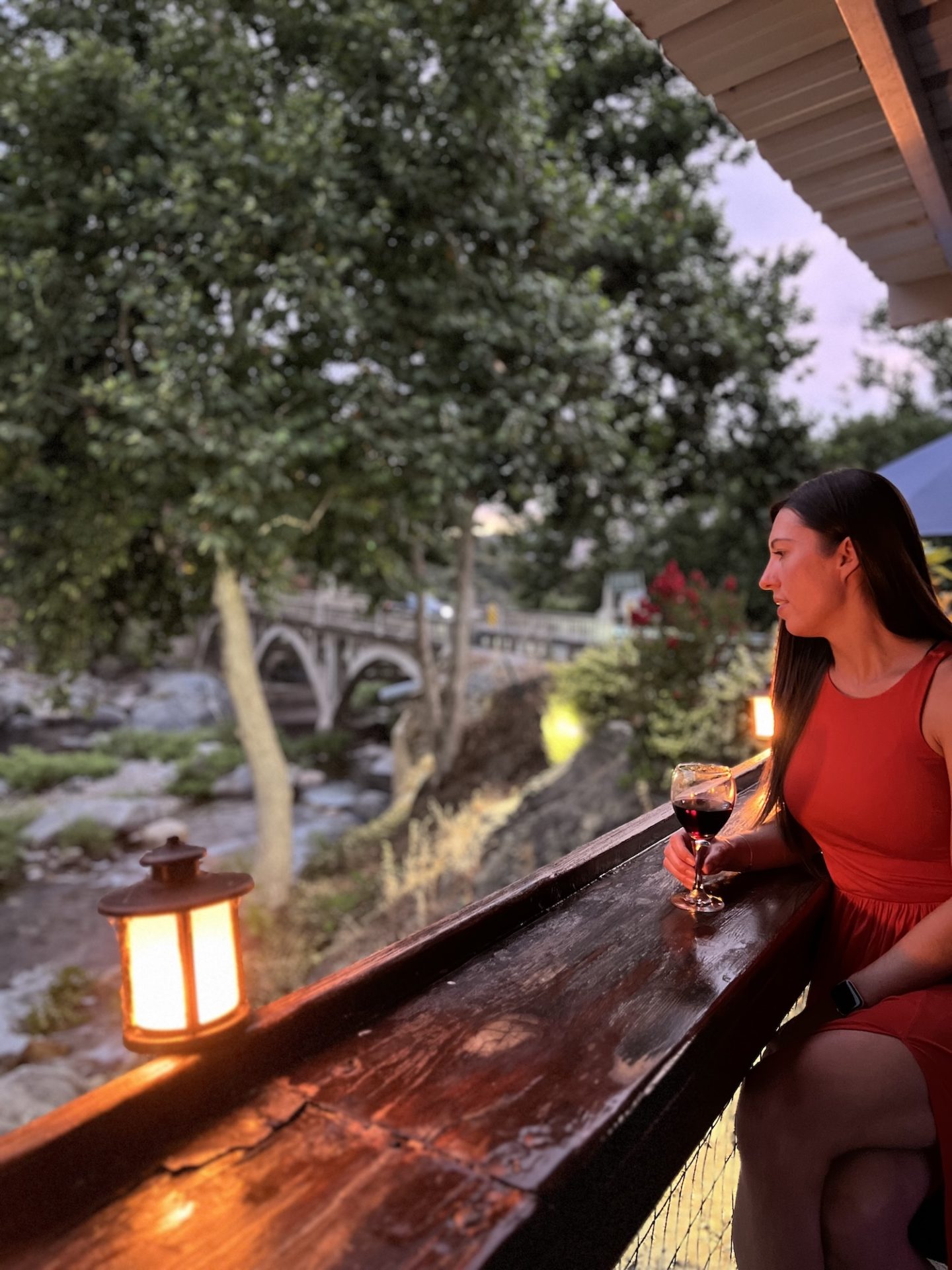
Minutes from Sequoia National Park’s entrance, the Gateway Restaurant and Lodge offers rustic lodging with scenic views and direct river access along the Kaweah River. The lodge offers rooms and cottages, some equipped with kitchenettes. The on-site restaurant serves American cuisine, including seafood, steaks, and more. It’s known for its outdoor seating overlooking the river, making it an ideal spot for a meal after a day of hiking. The bar offers a wide selection of whiskeys and vodkas, contributing to its popularity for happy hour and casual dining.
AUTOCAMP SEQUOIA
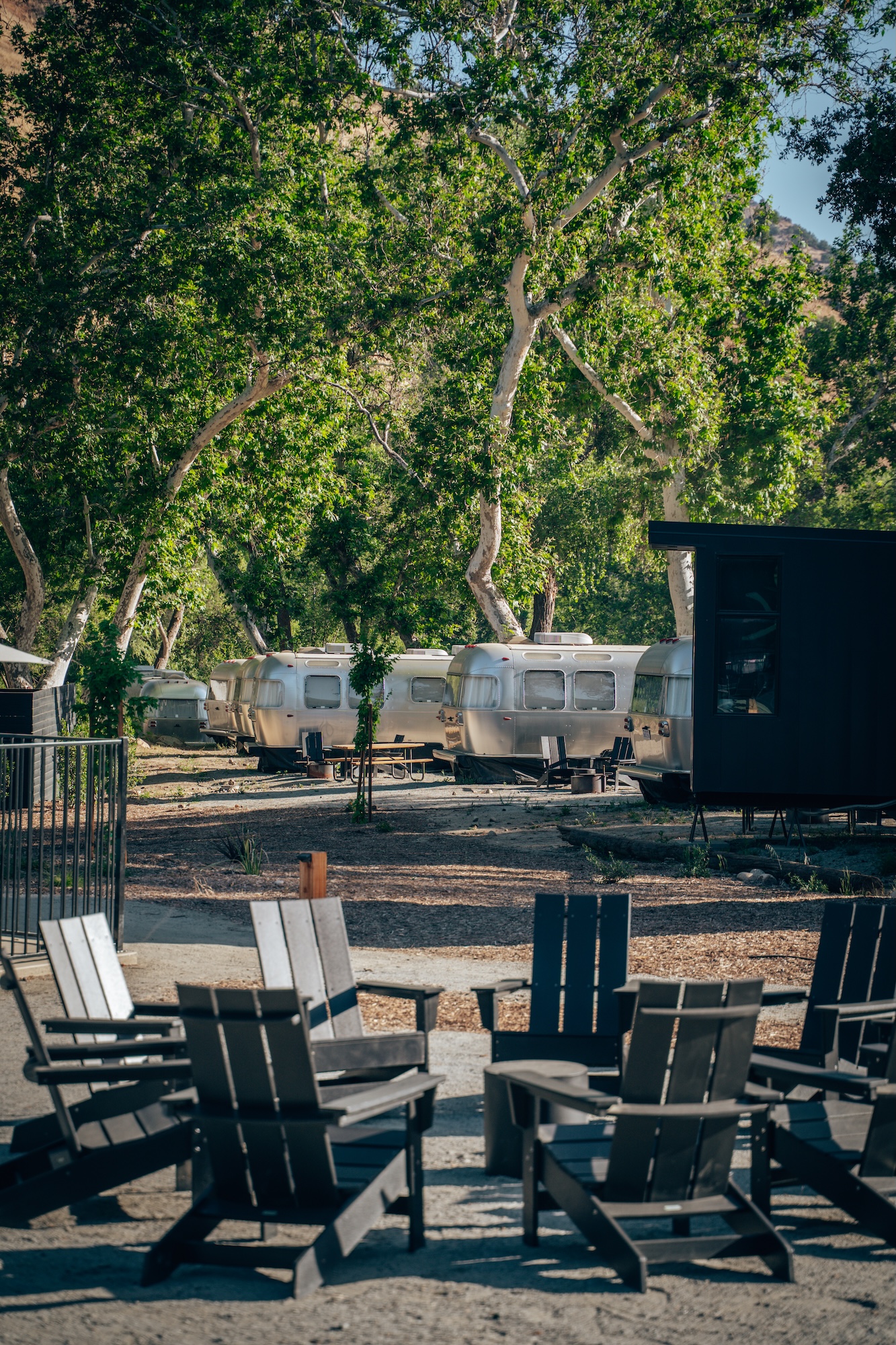

Set along the Kaweah River, AutoCamp Sequoia offers a modern, design-forward camping experience just outside Sequoia National Park’s southern entrance. The site blends upscale amenities with outdoor adventure. Guests can choose from sleek Airstream trailers, luxury tents, or premium cabins, all outfitted with comfortable beds, linens, and stylish interiors that feel more like a boutique lodge than a campground. The property includes communal fire pits, a lounge, outdoor kitchens, and spots for yoga or relaxation. Its location provides easy access to giant tree groves, scenic drives, and trailheads while giving travelers a home base that’s comfortable, connected, and visually striking. Whether you’re seeking solitude among old giants or a stylish break from traditional camping, AutoCamp Sequoia delivers a polished, nature-forward stay.
COMFORT INN & SUITES SEQUOIA KINGS CANYON
This convenient lodging option just a few miles from the Sequoia National Park entrance. It offers comfortable accommodations, including rooms with kitchenettes and suites. Amenities include free Wi-Fi, a complimentary hot breakfast, and an outdoor pool. Guests also have access to a fitness center, hot tub, and laundry facilities. Its location is ideal for families or individuals looking for affordable and easy access to Sequoia and Kings Canyon National Parks.
RIVER AIRE AIRBNB
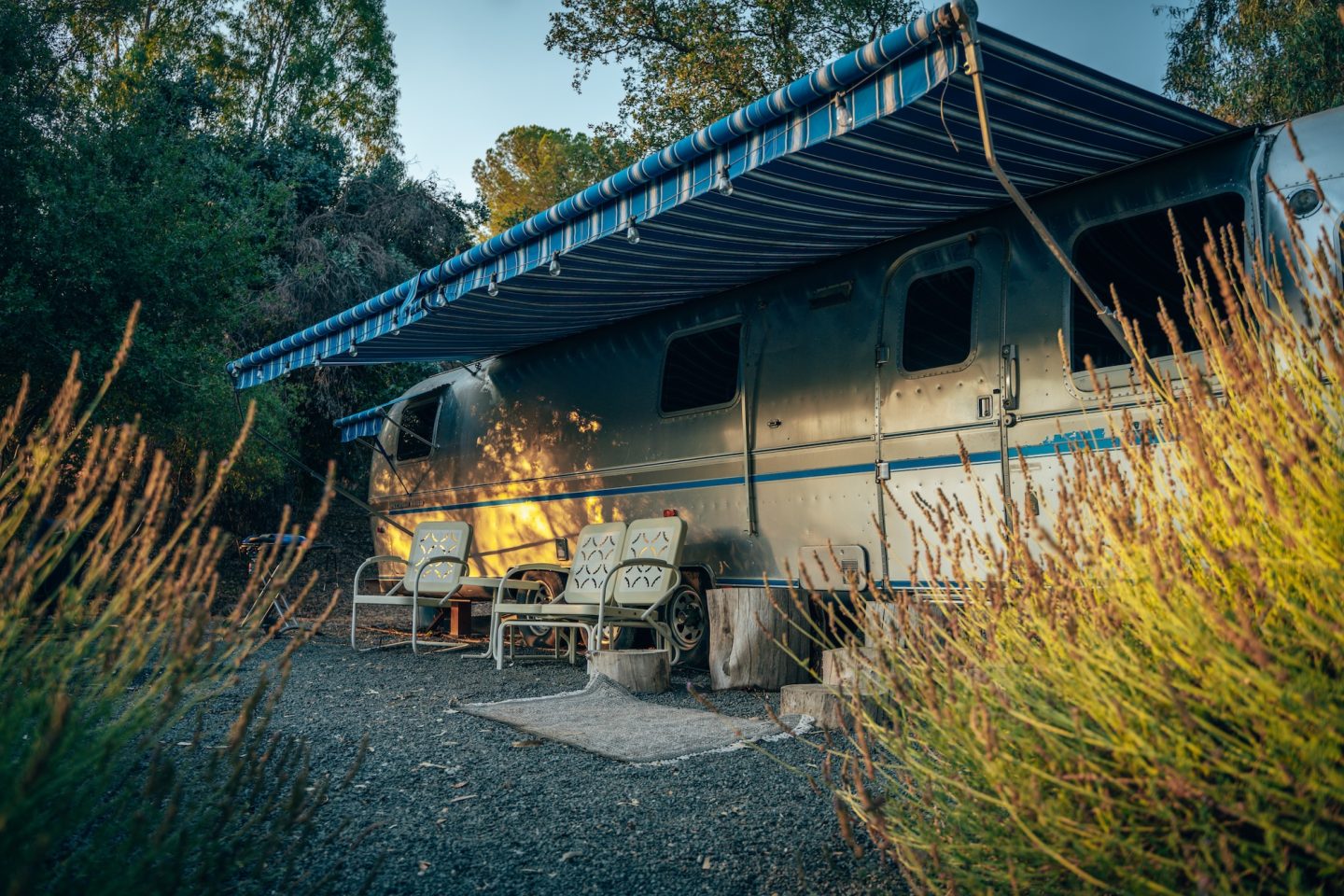
One of the selling points of Three Rivers, is the numerous Airbnb properties that are located right along the Kaweah River. Many of which provide a more private stay that includes private access to the Kaweah River. A new Airbnb property, River Aire, features a renovated Airstream with air-conditioning, stunning views, and private river access for cooling off after a day of hiking.
THINGS TO DO IN SEQUOIA NATIONAL PARK
Now that we’ve covered the best time to visit and where to stay in Sequoia National Park, let’s dive into the fun stuff! Sequoia National Park is the fifth largest of California’s nine national parks. And many of the main activities, trails and attractions are centrally located, making it quite east to cover a lot of ground in just a day or two!
MORO ROCK TRAIL
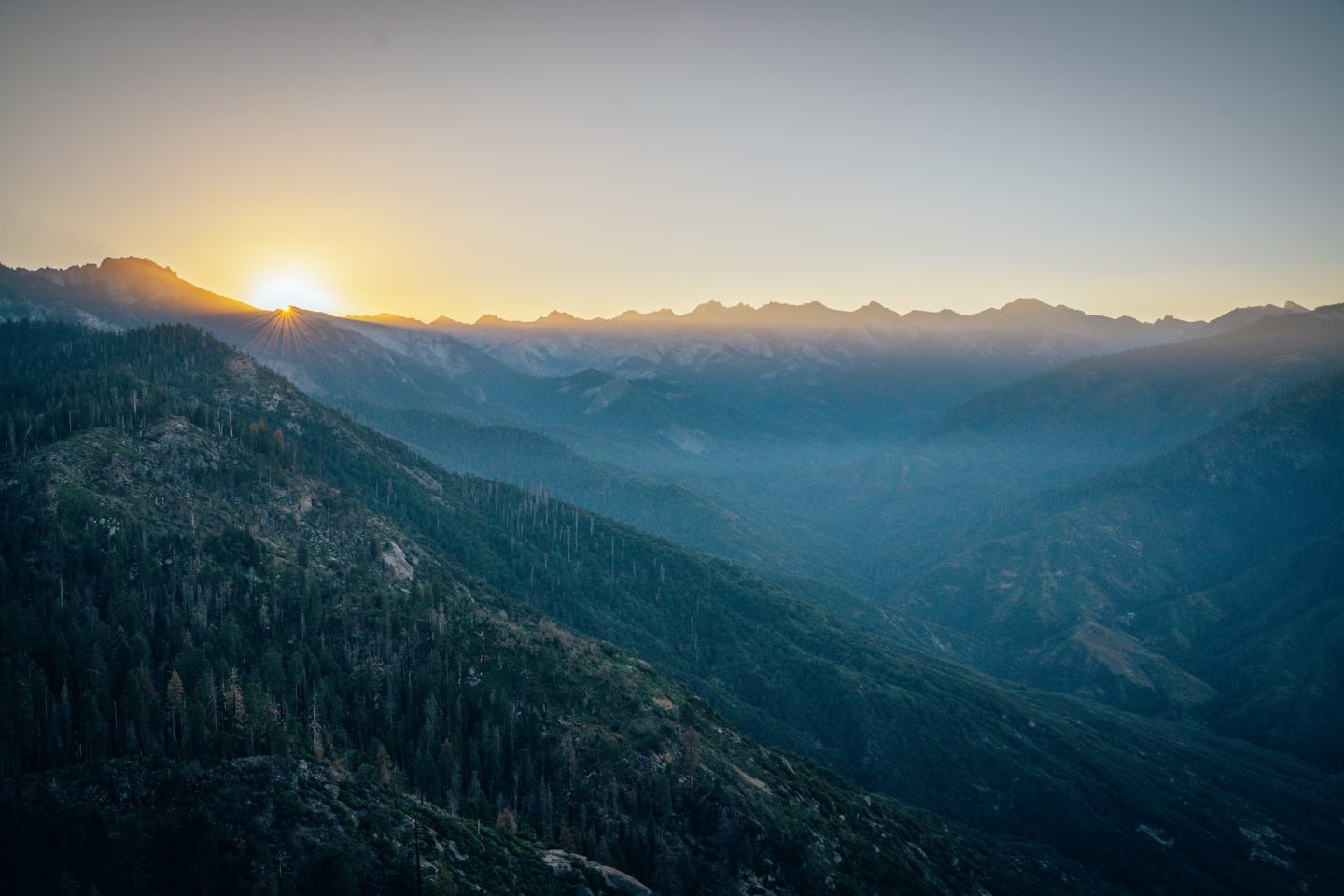
Moro Rock in Sequoia National Park offers a rewarding experience with panoramic views of the Sierra Nevada and the surrounding valleys. The hike to the summit is a short but steep 0.5-mile trail that involves climbing over 350 stone steps carved into the rock. Though the climb can be strenuous, the sweeping views at the top make it worthwhile. The trail is usually accessible from late spring through fall, and visitors should be prepared for narrow passages and exposure to heights along the way.
- DIFFICULTY – Moderate to challenging
- LENGTH – 0.5mi / 0.8km out and back
- TIME NEEDED – As long as you prefer (we’d recommend 45 min – 1 hour)
- PET FRIENDLY – NO
SEQUOIA TUNNEL LOG
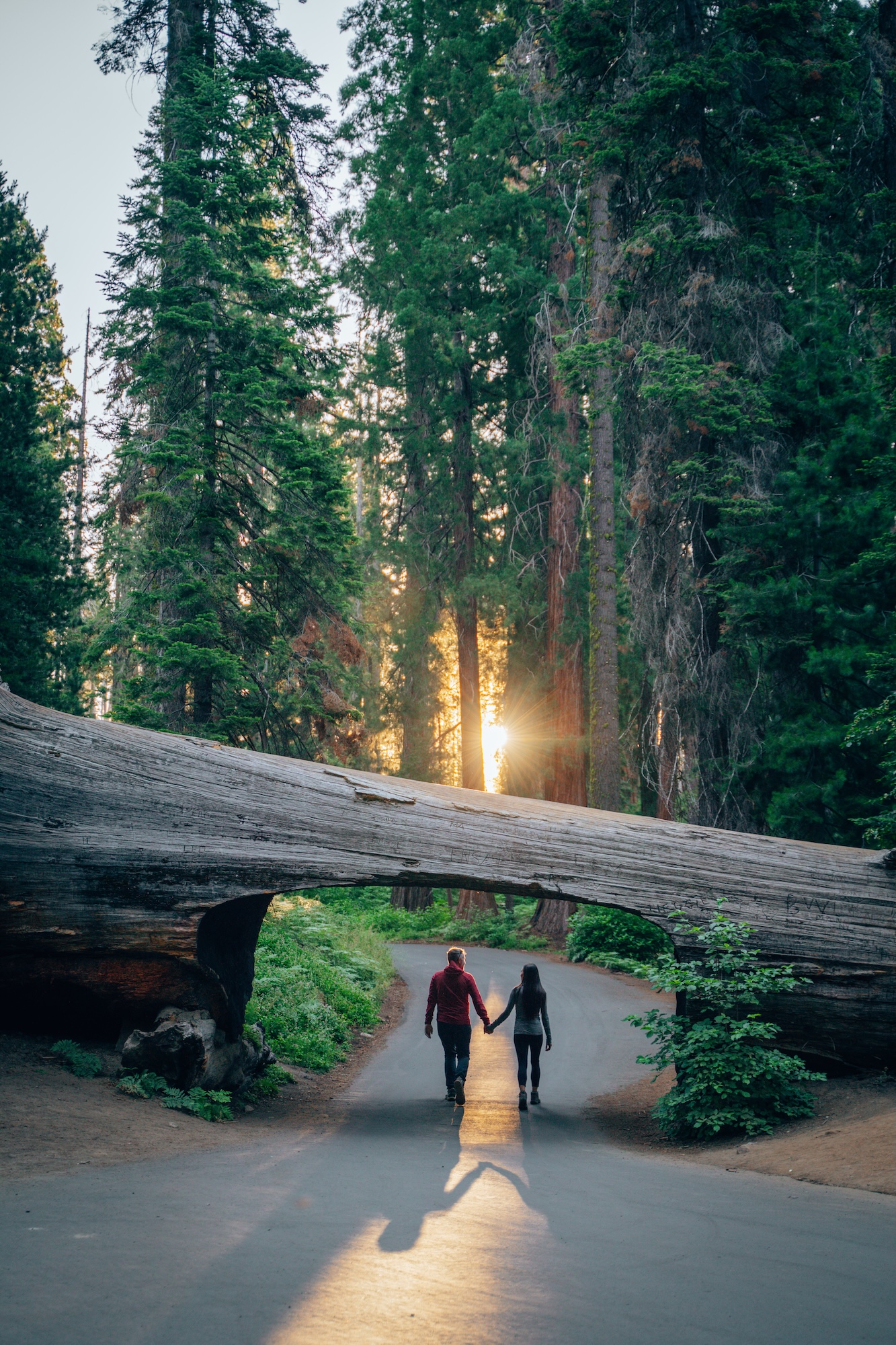
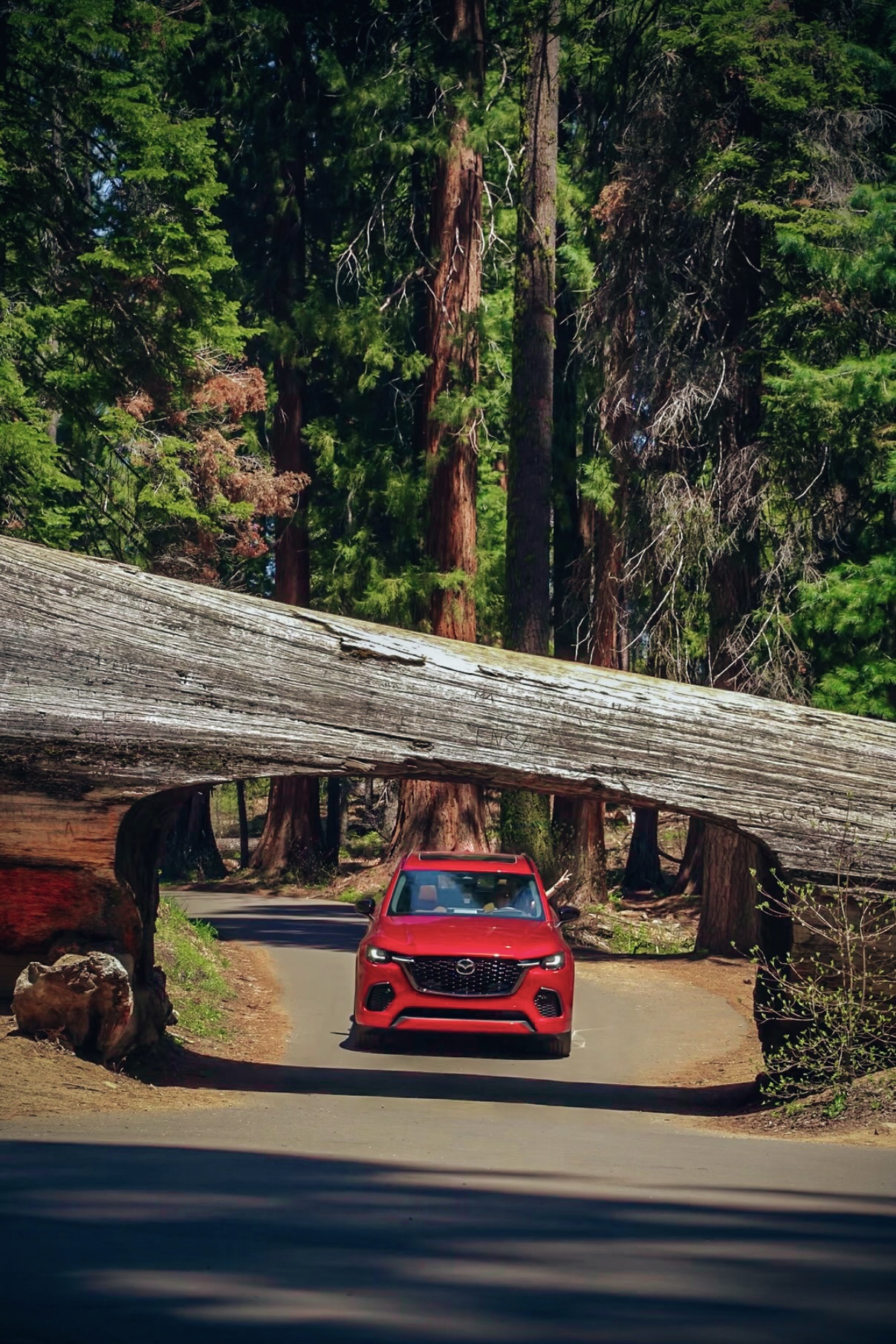
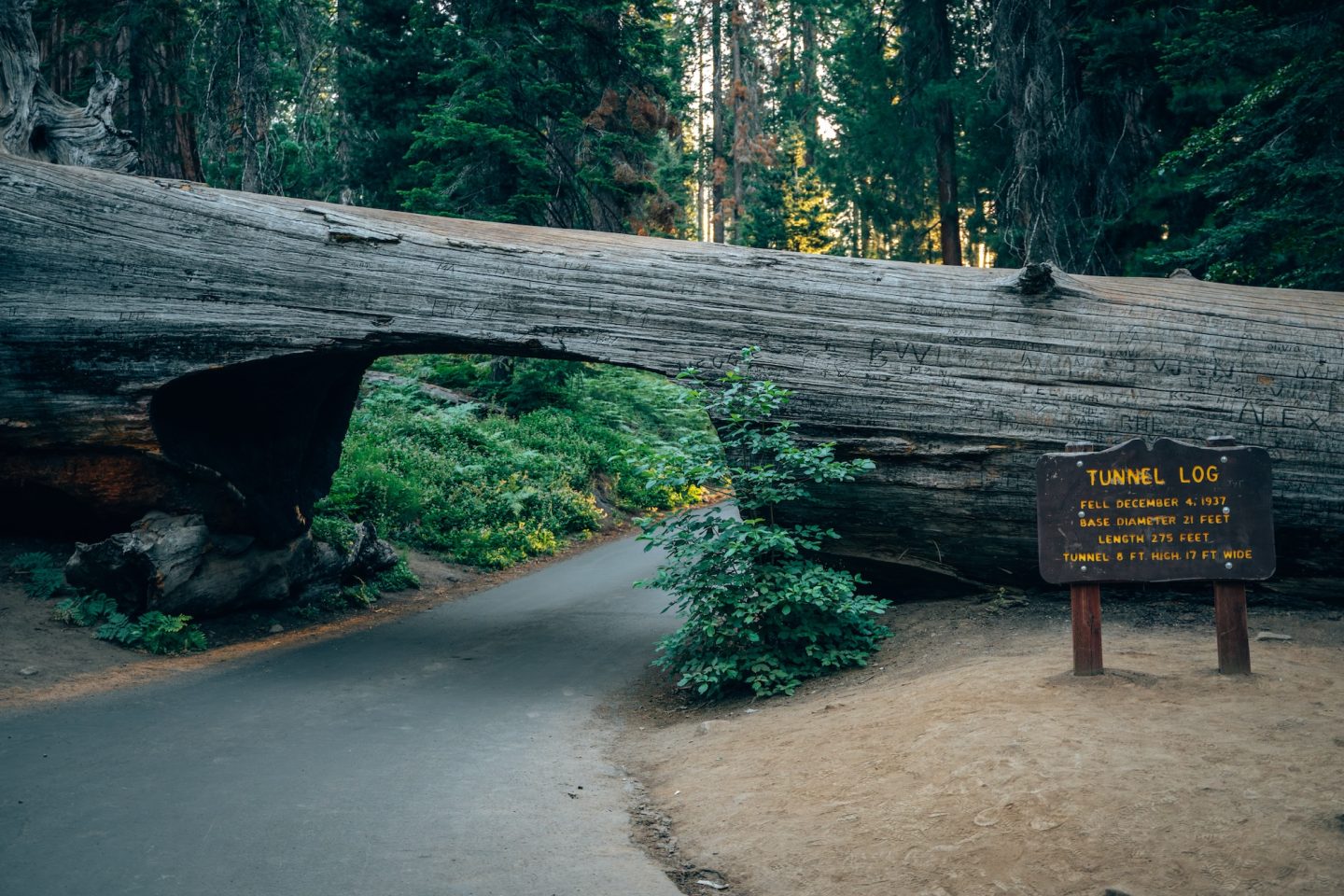
Inside the park, there is a fallen sequoia tree that serves as a unique feature allowing you to walk or drive through. The Tunnel Log, about 2,100 years old at the time, fell during a 1937 storm and blocked the park’s main road, becoming a major obstacle for travelers. In response to the obstruction, park officials decided to cut a tunnel through the fallen tree to allow vehicles to pass through. Engineers completed the tunnel in 1938, designing it to accommodate the park’s growing number of visitors. It’s not only a marvel of nature but also a testament to the park’s innovative approach to managing its natural resources and visitor experience.
- DIFFICULTY – Easy
- LENGTH – 0.0mi / 0.0km
- TIME NEEDED – As long as you prefer, but it’s usually quick if there’s a line of other vehicles
- PET FRIENDLY – Yes, but on the road only and must be picked up after
CRYSTAL CAVE IN SEQUOIA
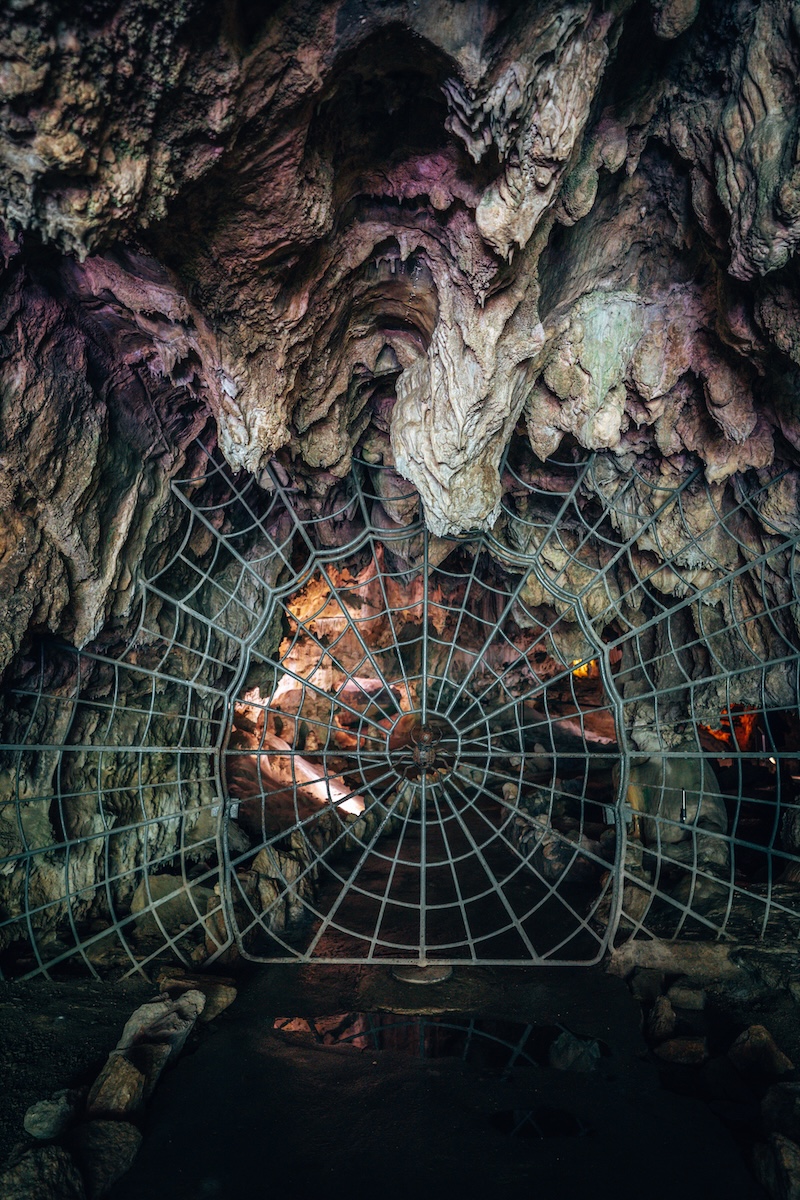
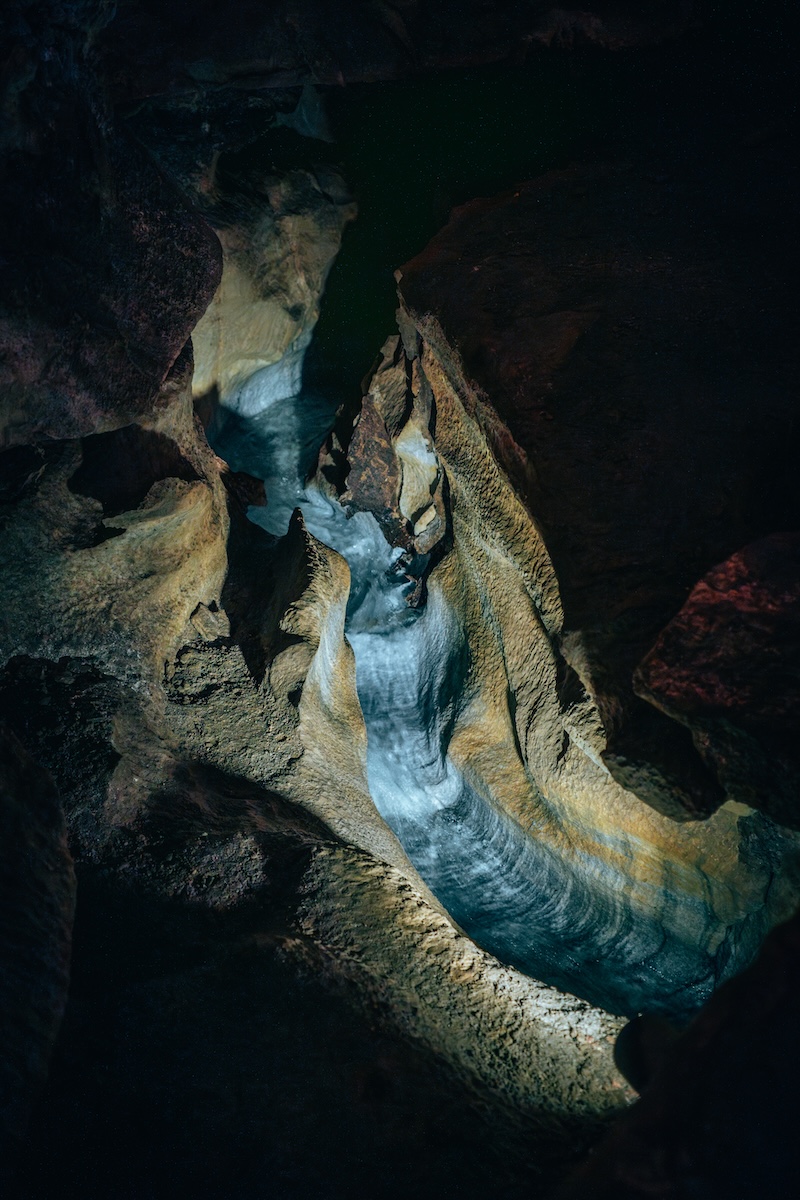

Many of the main attractions and reasons people visit Sequoia National Park, is because of the things above ground: the giant sequoias. But there are also marvels below ground worth exploring! Crystal Cave is one of Sequoia National Park’s most intriguing attractions. It offers a fascinating glimpse into the subterranean world of marble caves. Access to Crystal Cave is only possible through guided tours, which are led by trained rangers. The tours provide educational commentary about the cave’s geology, history, and formations. Inside Crystal Cave, visitors will see an array of impressive formations, including stalactites, stalagmites, and flowstones. Shimmering crystals and intricate mineral formations adorn the cave’s interior.
- DIFFICULTY – Easy
- LENGTH – 0.8mi / 1.3km out and back
- TIME NEEDED – 3 hours (1 hour drive + 2 hours hike/tour)
- PET FRIENDLY – NO
Fortunately, this cave (and the road leading to it) has just reopened to the public! Due to the pandemic, damage sustained from previous storms, and multiple wildfires, Crystal Cave had been closed for 4 years. Tickets for the 2026 season have not released yet, you can check back here for release date info: Sequoia Parks Conservancy. Tickets must be booked in advance and are not sold at the cave entrance.
BIG TREES TRAIL
The Big Trees Trail is one of the popular hikes in Sequoia National Park, offering visitors a chance to experience the grandeur of the giant sequoias up close. The trail is located in the Giant Forest area of Sequoia National Park. It’s a relatively short and accessible paved loop. At around 1.2 miles long, it’s suitable for most visitors, including families, those with limited mobility and those looking for a leisurely walk. The main attraction of the trail is, of course, the giant sequoias. The trail passes through a forest of these majestic trees, allowing visitors to marvel at their immense size and age. Some of the trees along the trail are among the largest and oldest living things on Earth.
- DIFFICULTY – Easy
- LENGTH – 1.2mi / 2km loop
- TIME NEEDED – 30-45 minutes
- PET FRIENDLY – NO
GENERAL SHERMAN TREE
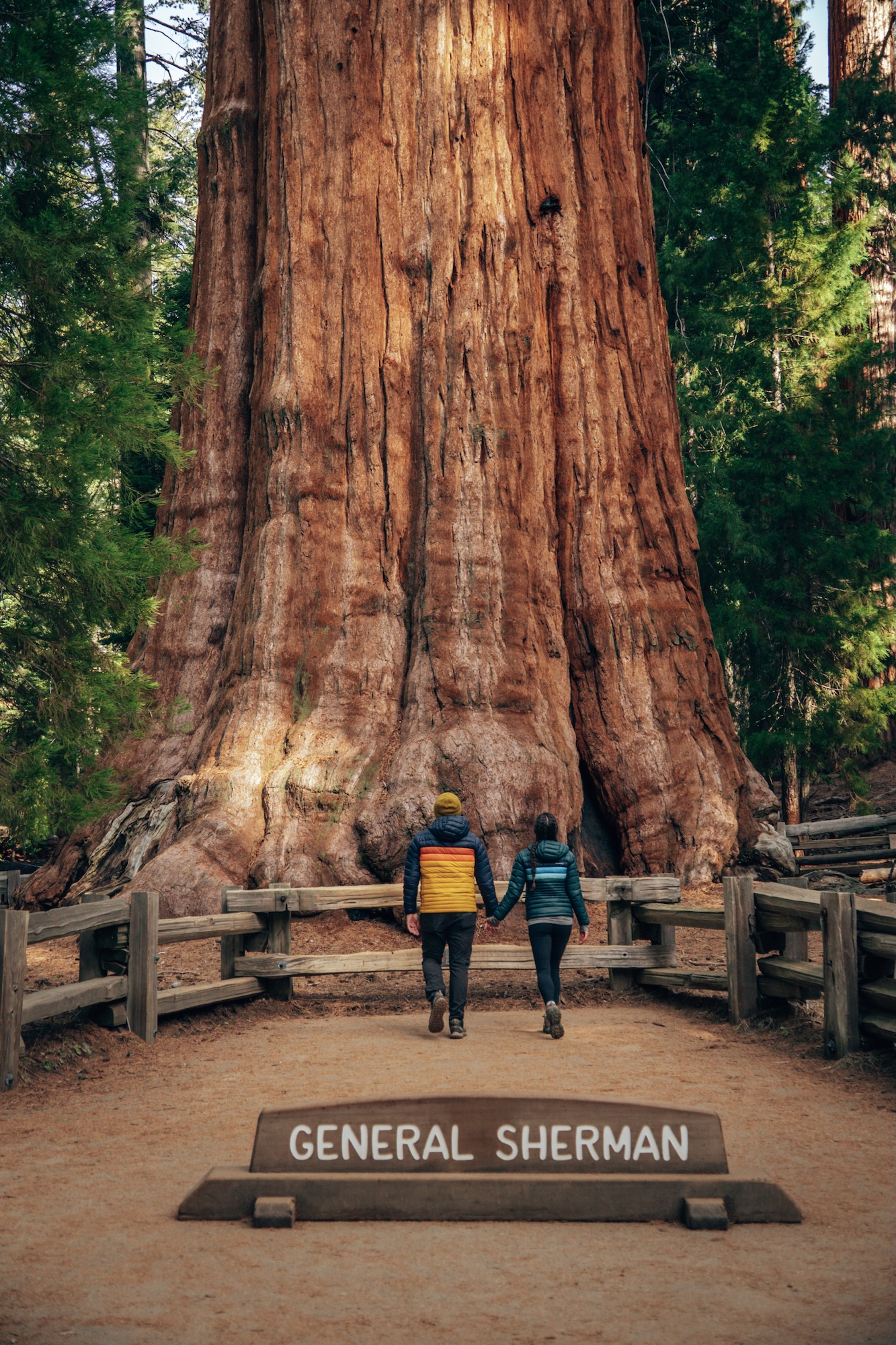
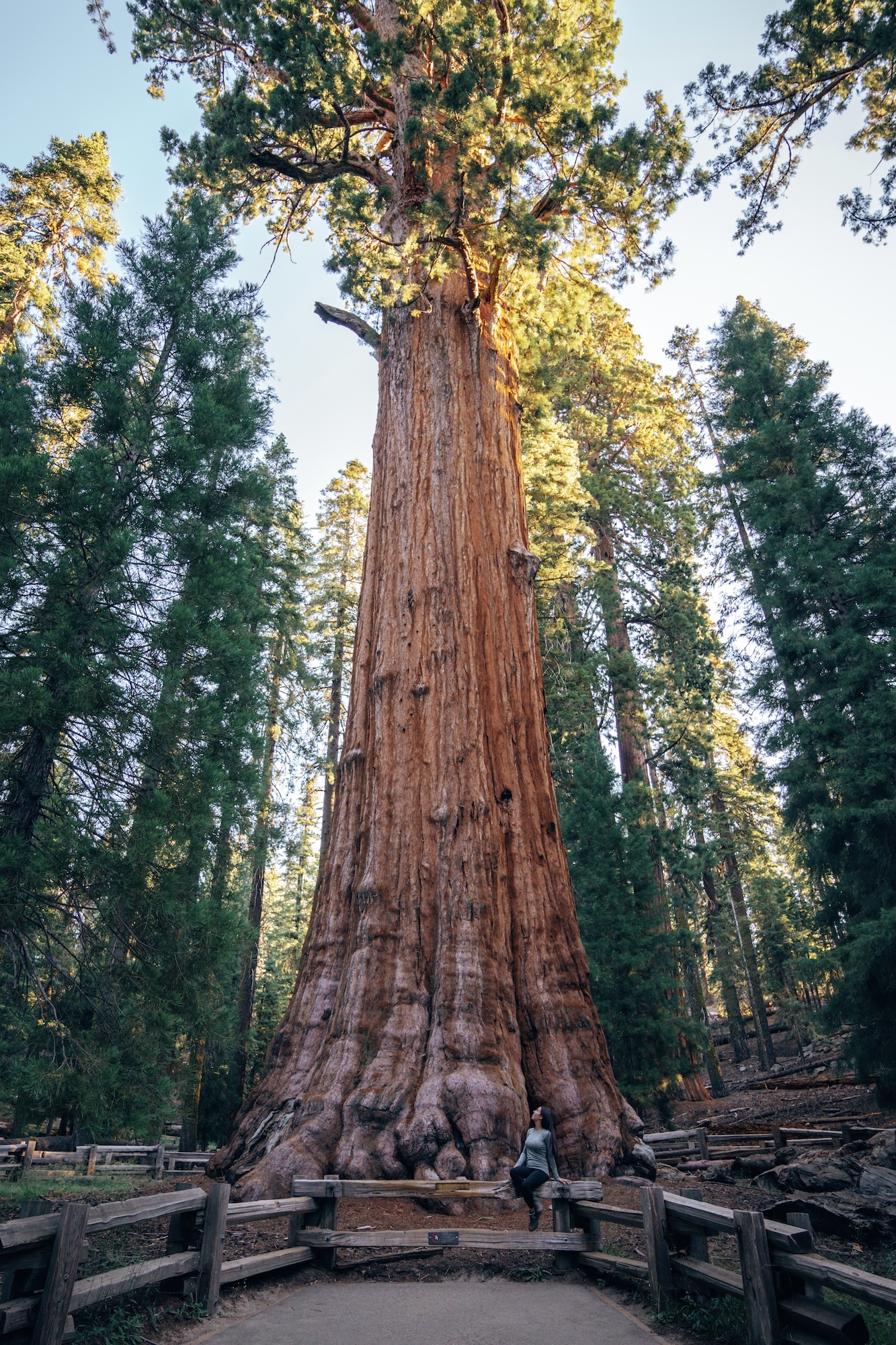
Located in Giant Forest, the General Sherman Tree is the largest tree on Earth by volume and one of Sequoia National Park’s most iconic sights. A short, paved trail leads from the parking area down to the base, making the walk accessible for most visitors. Along the General Sherman Tree Trail, interpretive signs explain the scale, age, and resilience of these giant sequoias. Standing beneath the tree gives real perspective on its massive trunk and towering height. The area stays busy year-round, but the experience still feels awe-inspiring. It’s a must-see stop that anchors any visit to the park.
- DIFFICULTY – Easy
- LENGTH – 1.1mi / 2km loop
- TIME NEEDED – 30-45 minutes
- PET FRIENDLY – NO
THE CONGRESS TRAIL
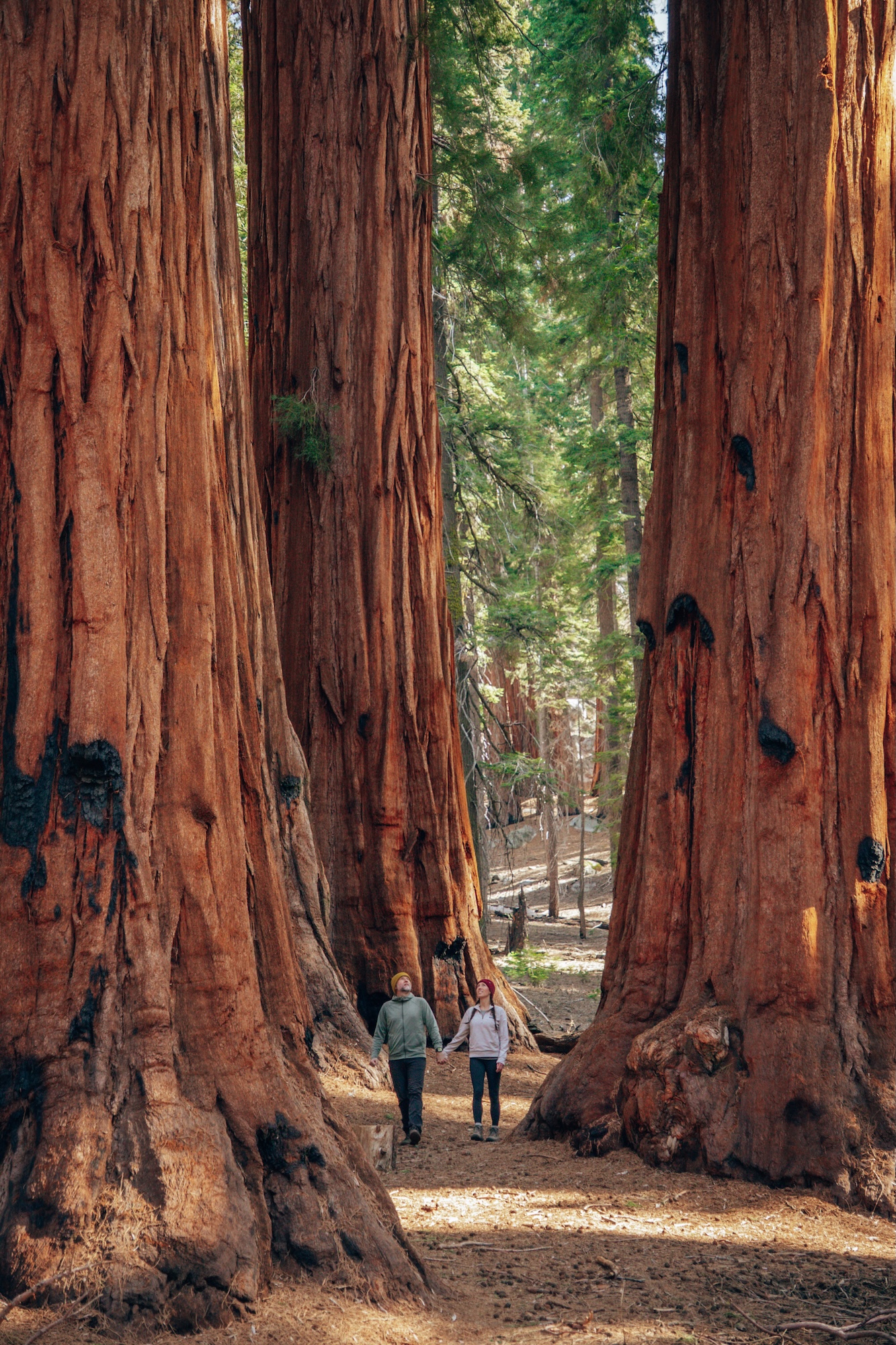
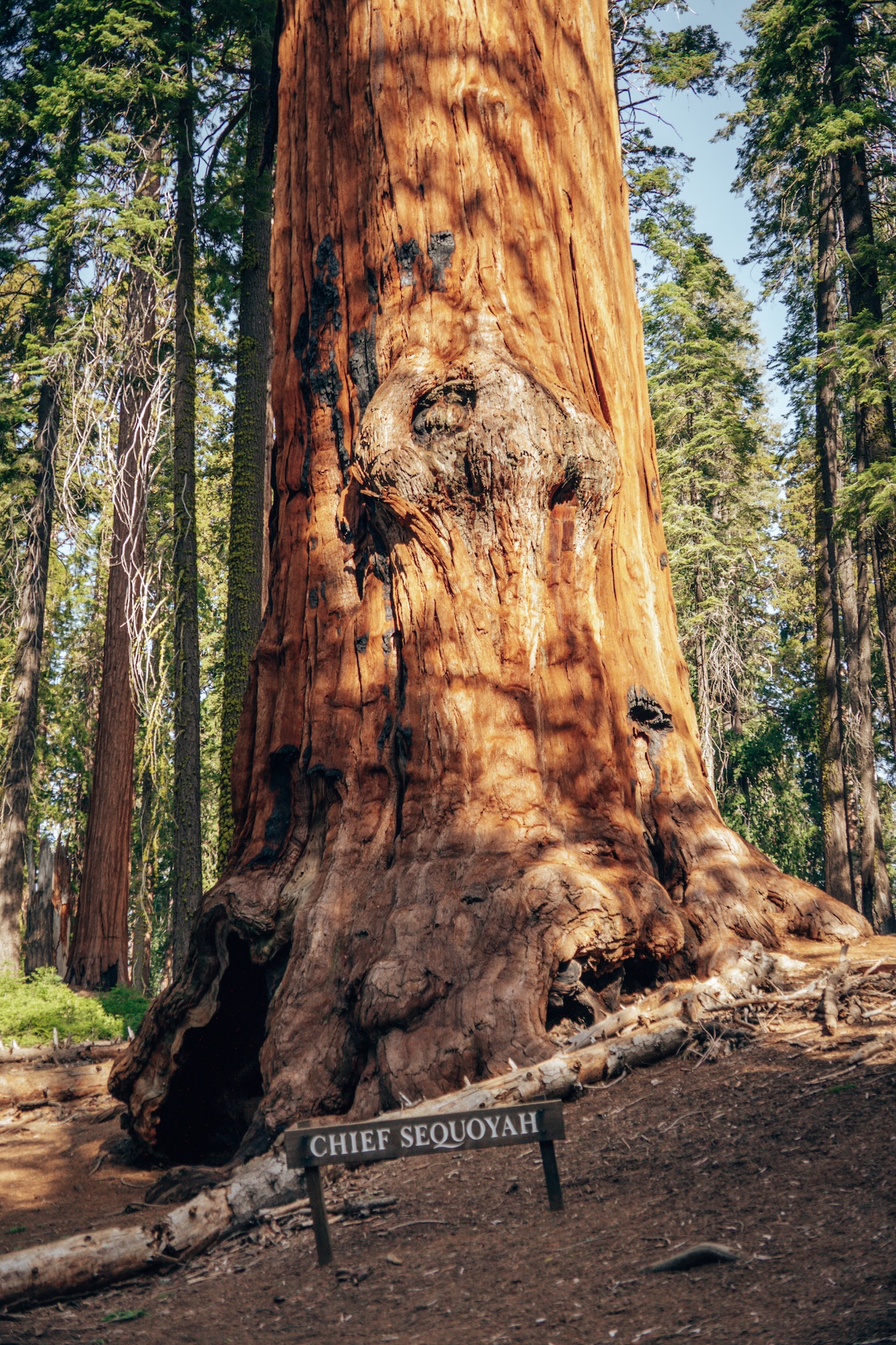
The Congress Trail is a scenic loop hike in Sequoia National Park, offering a deeper exploration of the Giant Forest, where many of the park’s most famous sequoias are located. The Congress Trail starts near the General Sherman Tree, one of the largest trees by volume on Earth. The trail itself is about 2.9 miles long and forms a loop, making it a moderate hike suitable for most visitors.
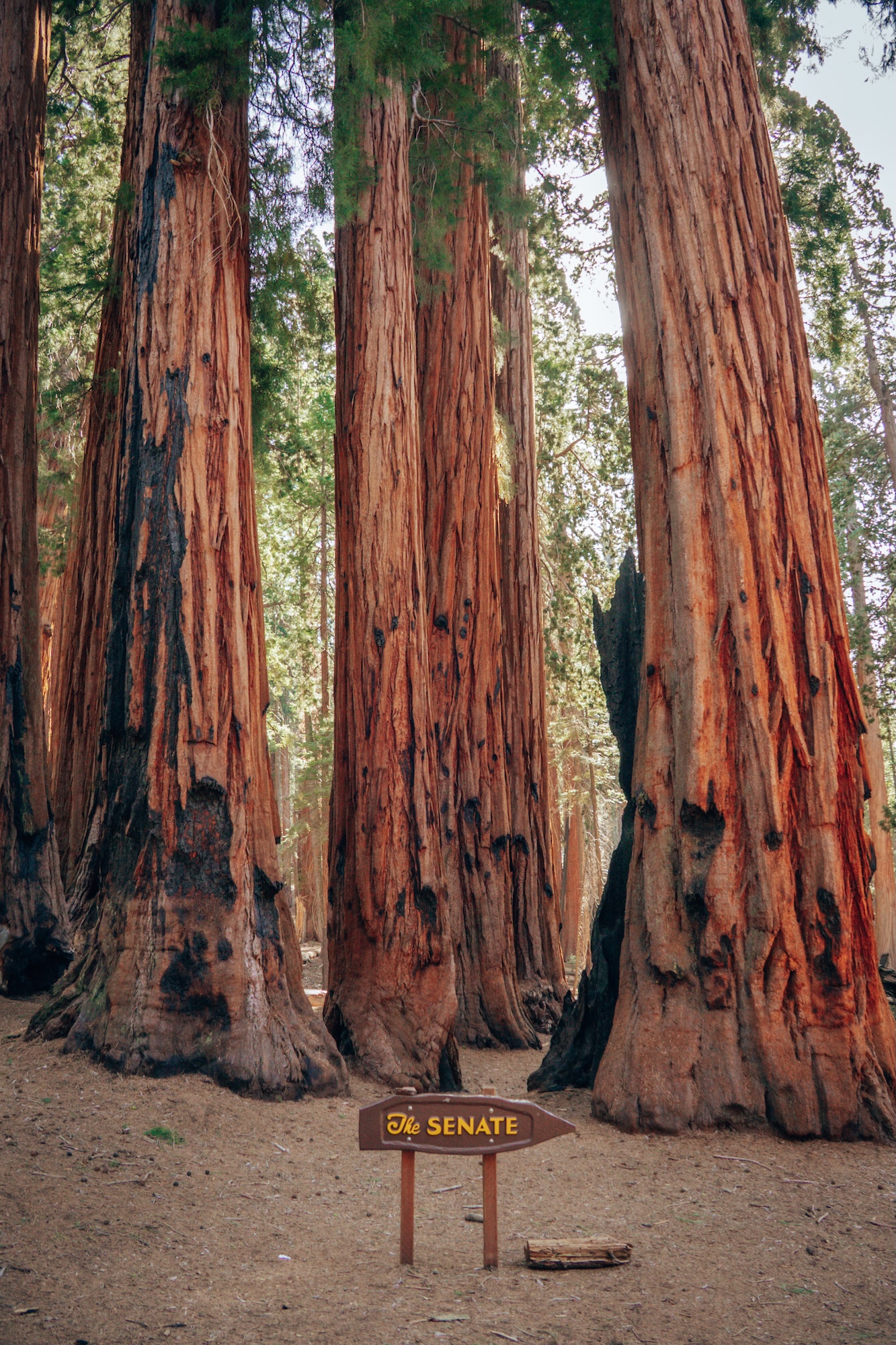
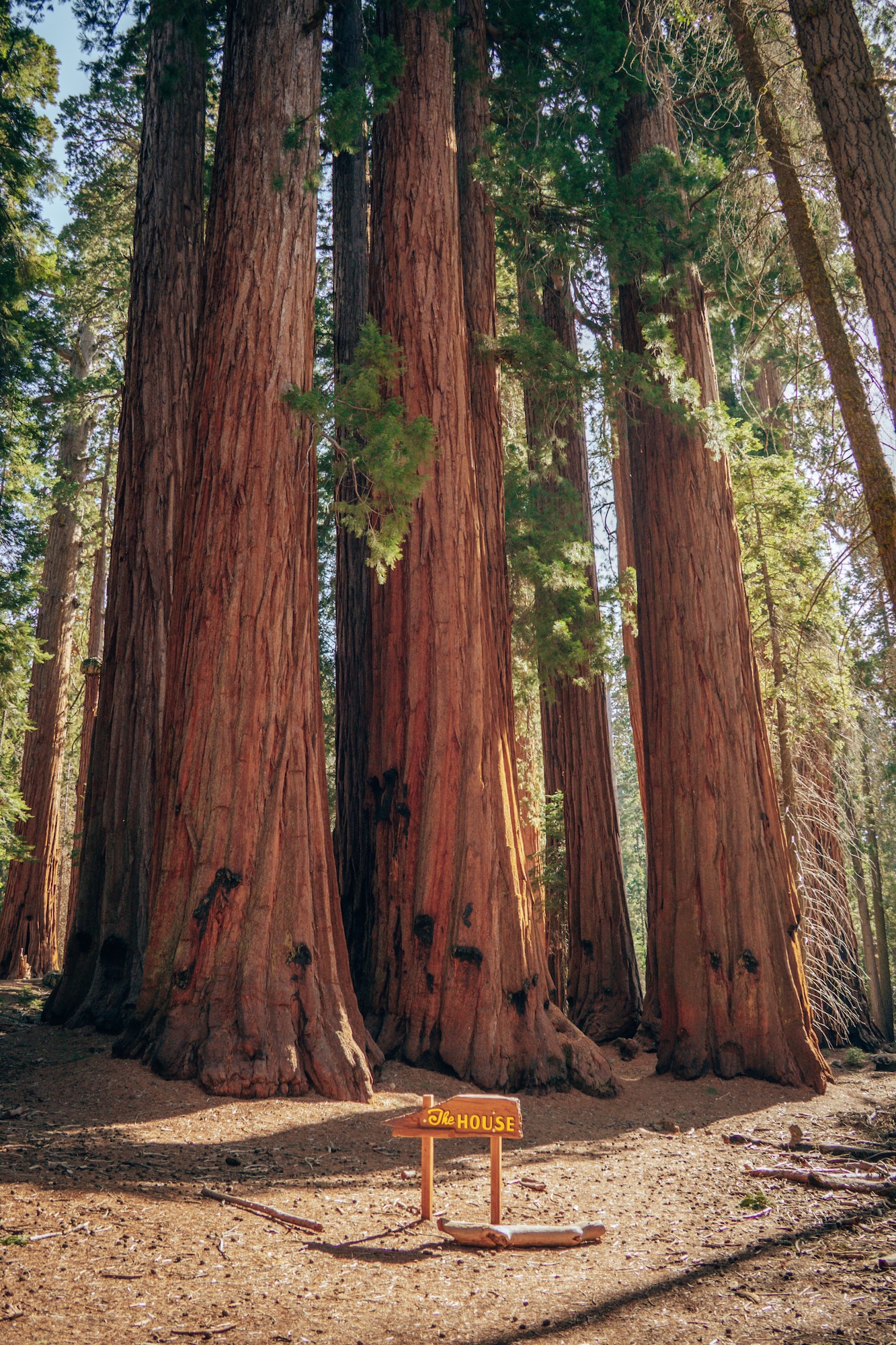
It’s a well-maintained, mostly flat, and gently sloping path that meanders through a forest of giant sequoias. It offers a bit more privacy and tranquility compared to some of the more heavily trafficked areas of the park. The trail passes through groves of massive sequoias, including some of the park’s notable trees. While it doesn’t pass directly by the General Sherman Tree, it offers views of other impressive giants such as the “Congress Group” of trees.
- DIFFICULTY – Moderate
- LENGTH – 2.9mi / 4.7km loop
- TIME NEEDED – 1.5-2 hours
- PET FRIENDLY – NO
SEQUOIA GIANT FOREST
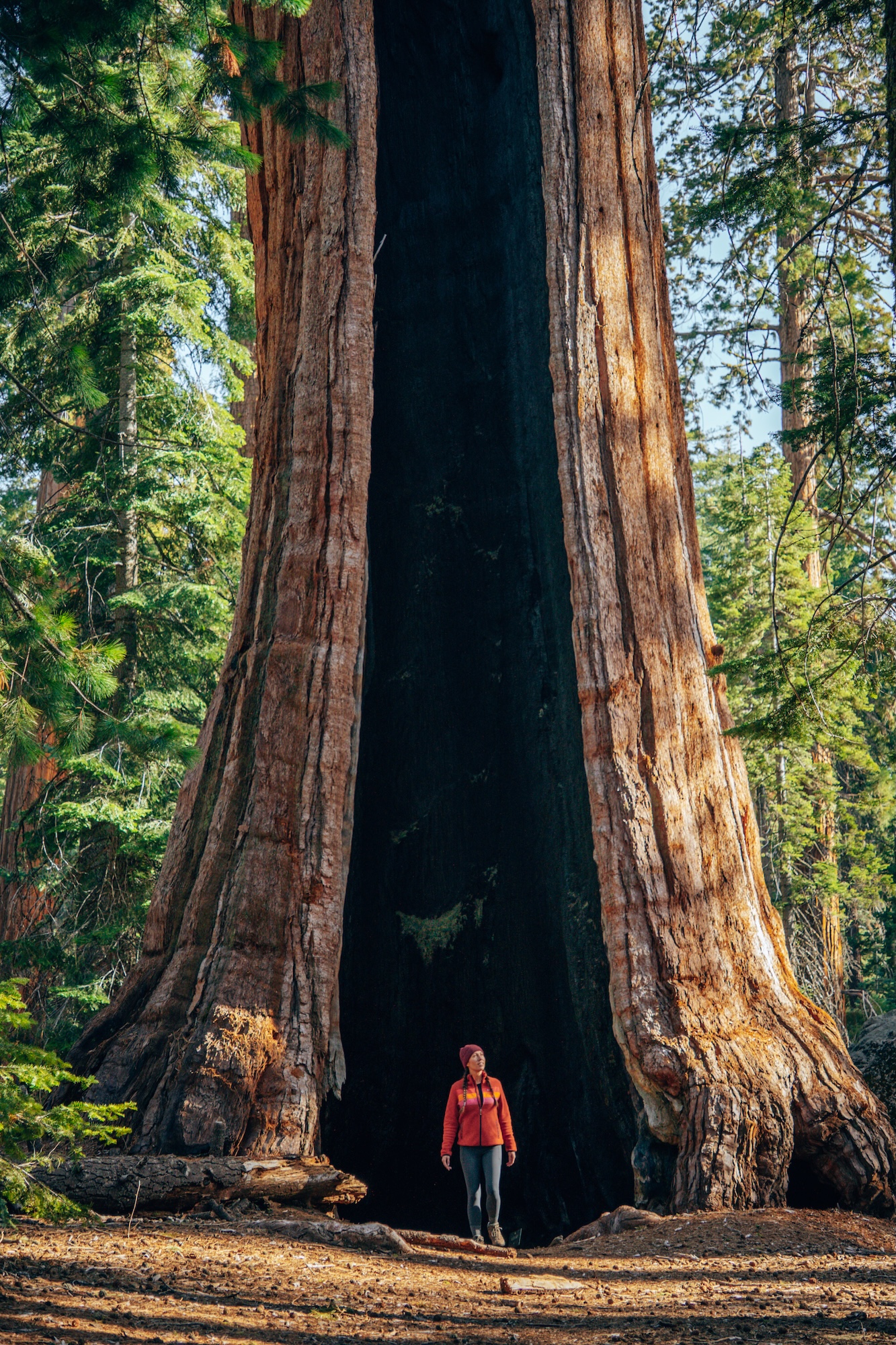
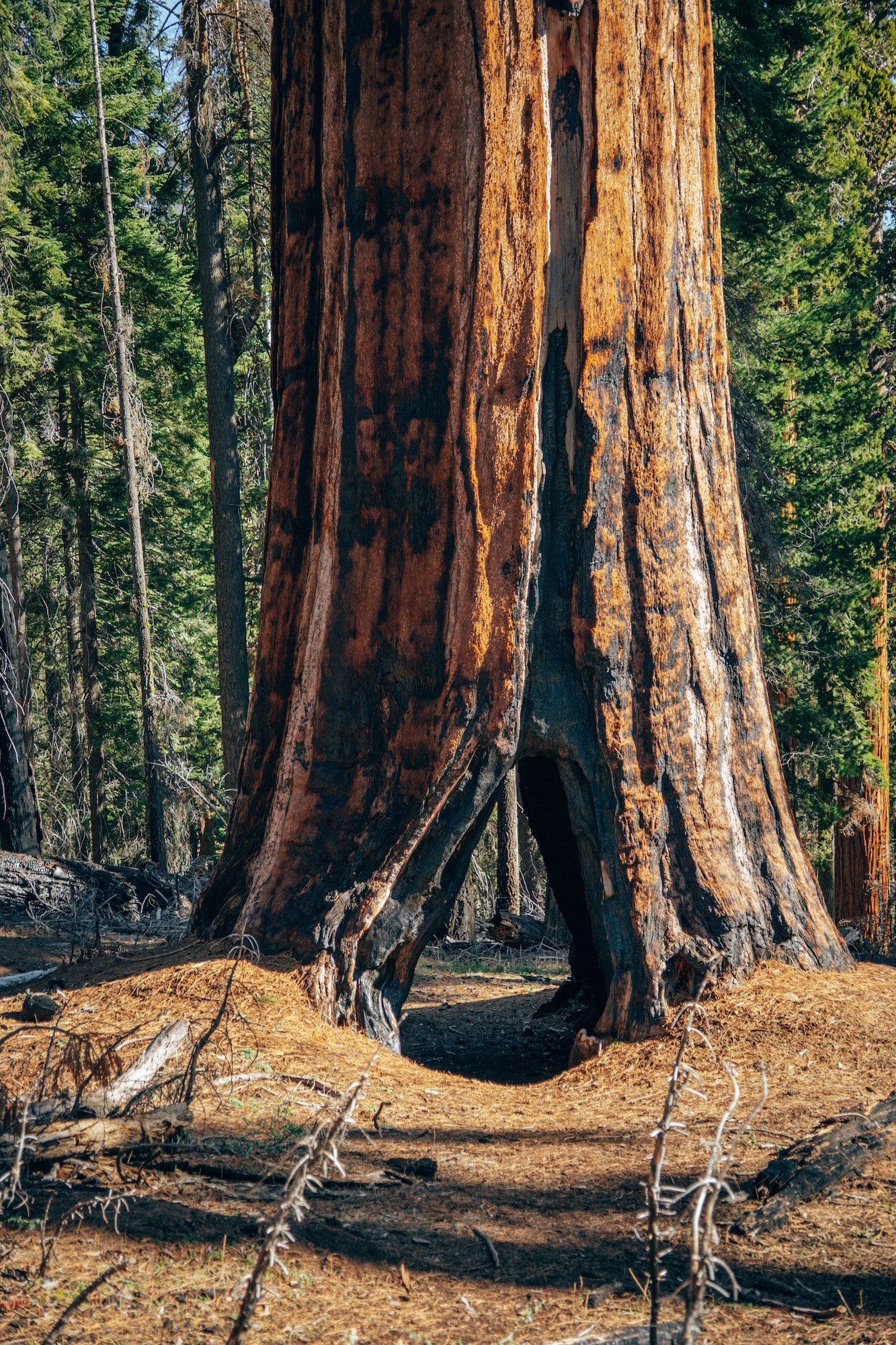
Giant Forest is one of the most popular areas in Sequoia National Park, known for its dense groves of massive sequoias. A wide network of trails weaves through the forest, offering options for short walks and longer hikes. Paved paths lead to famous trees, while dirt trails branch deeper into quieter sections. The terrain stays mostly gentle, making it accessible for a wide range of visitors. No matter your pace, the variety of trails makes it easy to explore at your own rhythm.
EXPERT GUIDED TOUR
Sequoia Conservancy partners with the Field Institute to offer expert-guided tours that go beyond the standard park experience. These programs are led by naturalists, scientists, and local guides who share deep knowledge of ecology, geology, and cultural history while you explore the giant sequoias and backcountry landscapes.
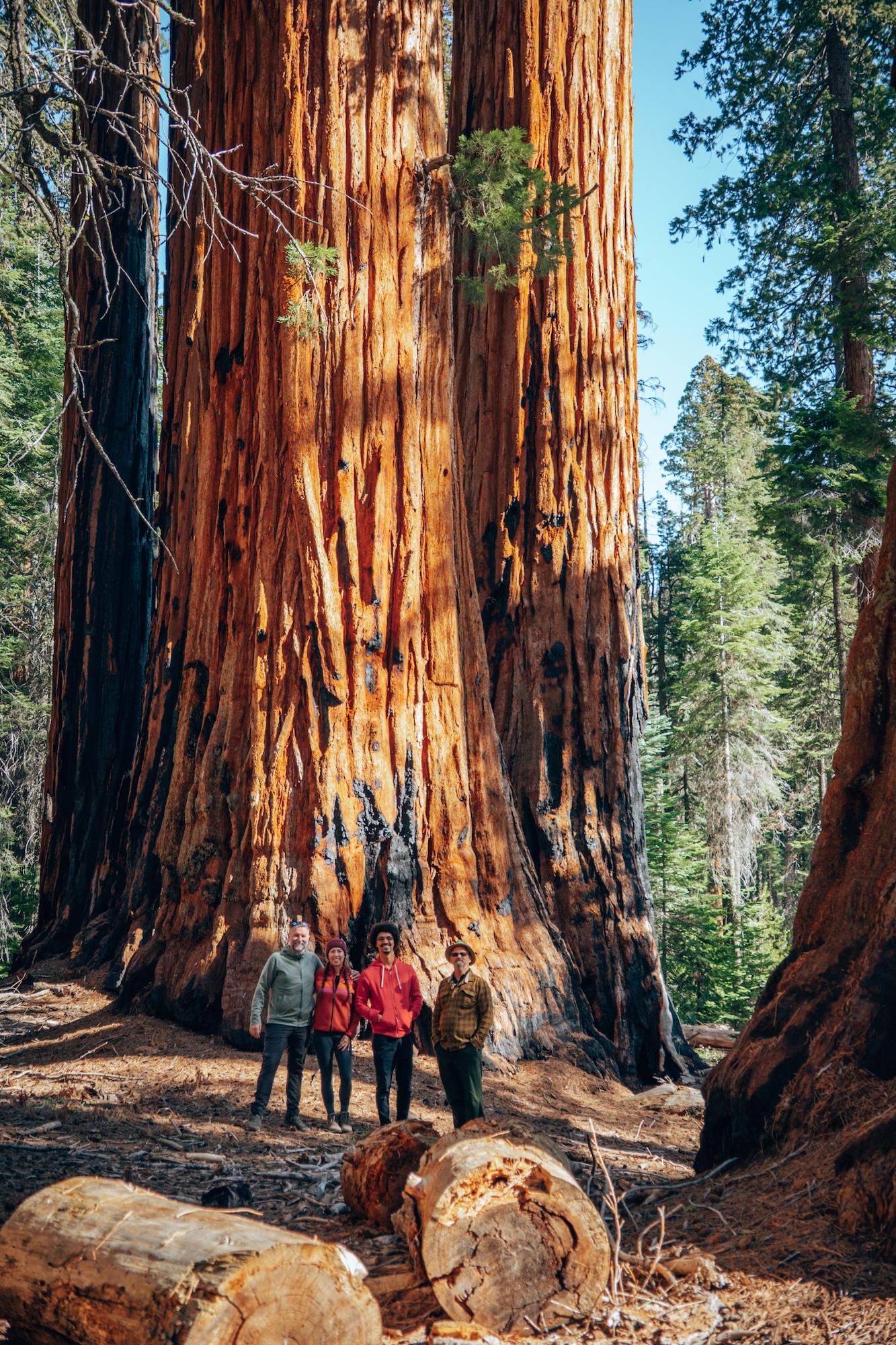
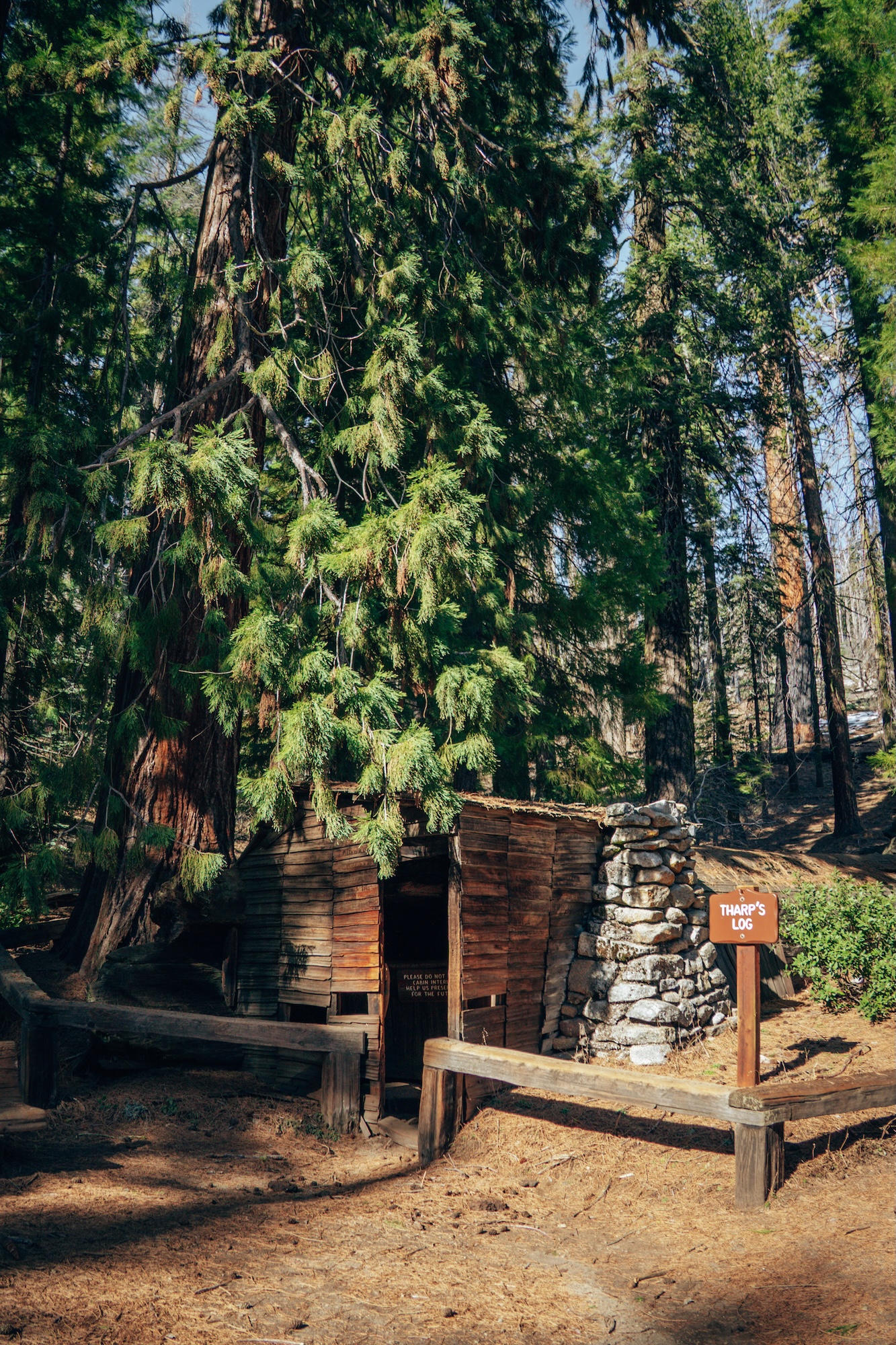
Tours range from short walks to full-day excursions and often include access to special areas or interpretive experiences you might miss on your own. Whether you’re interested in forest ecology, photography, or seasonal highlights like wildflowers and waterfalls, these guided outings add context and insight that transform a visit into a learning adventure rather than just a sightseeing trip. For curious travelers, they’re one of the most rewarding ways to connect with the park’s natural and cultural heritage.
TOKOPAH FALLS
Odds are by this point, you’re not looking to take on another hike. But if you are, or maybe you’d like to swap one of the other activities out for something else, then the Tokopah Falls hike is a great option! The trail offers a moderate challenge and stays well-maintained, featuring a mix of packed dirt and rocky sections. The path follows the Tokopah Creek, offering a scenic walk alongside the rushing water. The main attraction of the hike though, is Tokopah Falls itself. A beautiful 1,200-foot (366-meter) tall waterfall cascading down granite cliffs. The falls are particularly impressive in spring and early summer when the snowmelt feeds the creek.
- DIFFICULTY – Moderate to difficult
- LENGTH – 3.8mi / 6.1km out and back
- TIME NEEDED – 2-2.5 hours
- PET FRIENDLY – NO
HOSPITAL ROCK PICNIC AREA
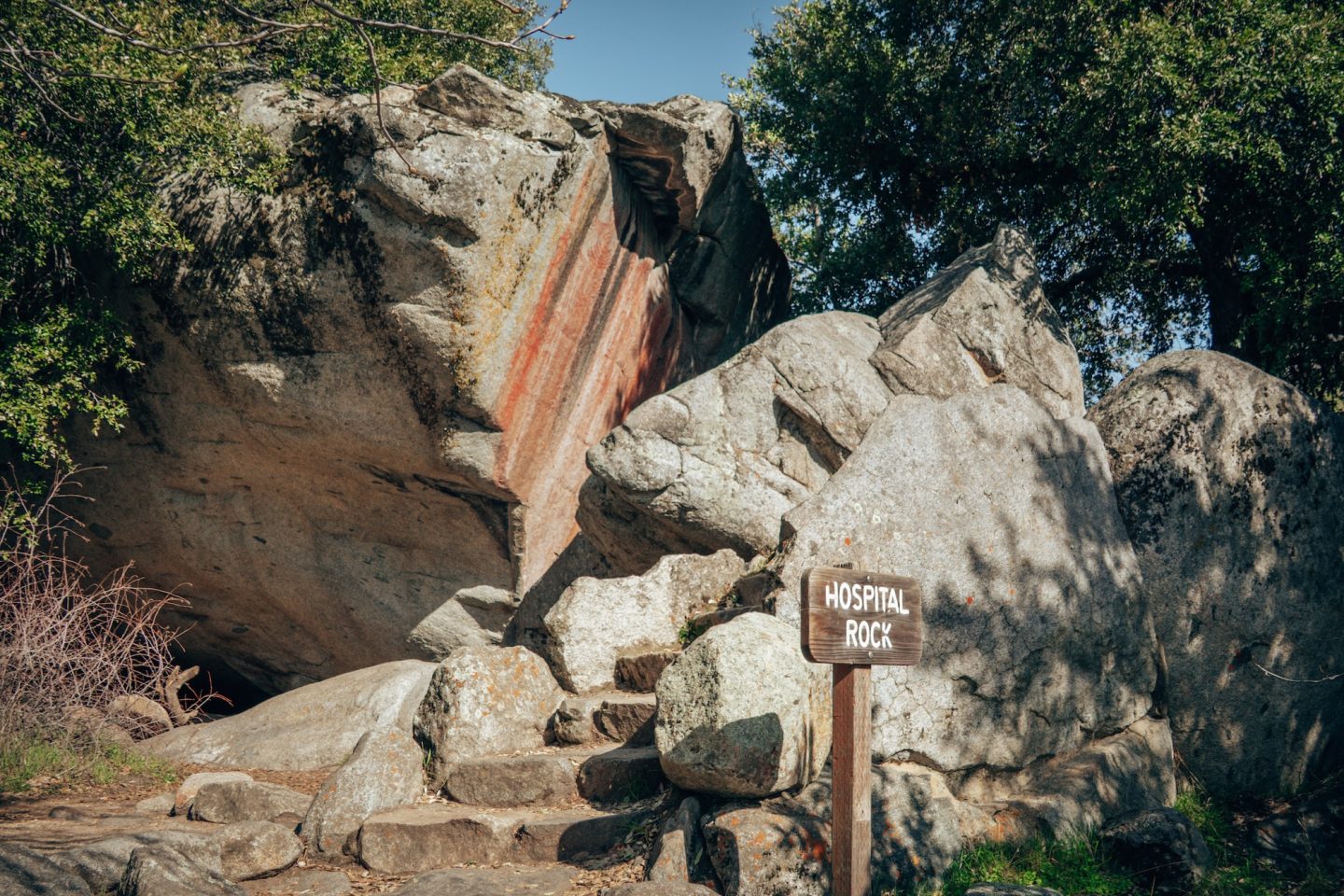
As you make your way out of the park, there are two roadside pitstop locations. The first being Hospital Rock Picnic Area, which sits along the Generals Highway in Sequoia National Park and offers an easy stop with history built in. The site features shaded picnic tables, vault toilets, and access to the Kaweah River. A short walk leads to interpretive displays and Native American pictographs painted on the rock face. The flat terrain and nearby parking make it a convenient break between sightseeing stops. It’s a simple place to eat, stretch your legs, and learn a bit of park history.
- DIFFICULTY – Easy
- LENGTH – 0.0mi / 0.0km
- TIME NEEDED – 15-30 minutes
- PET FRIENDLY – No
TUNNEL ROCK
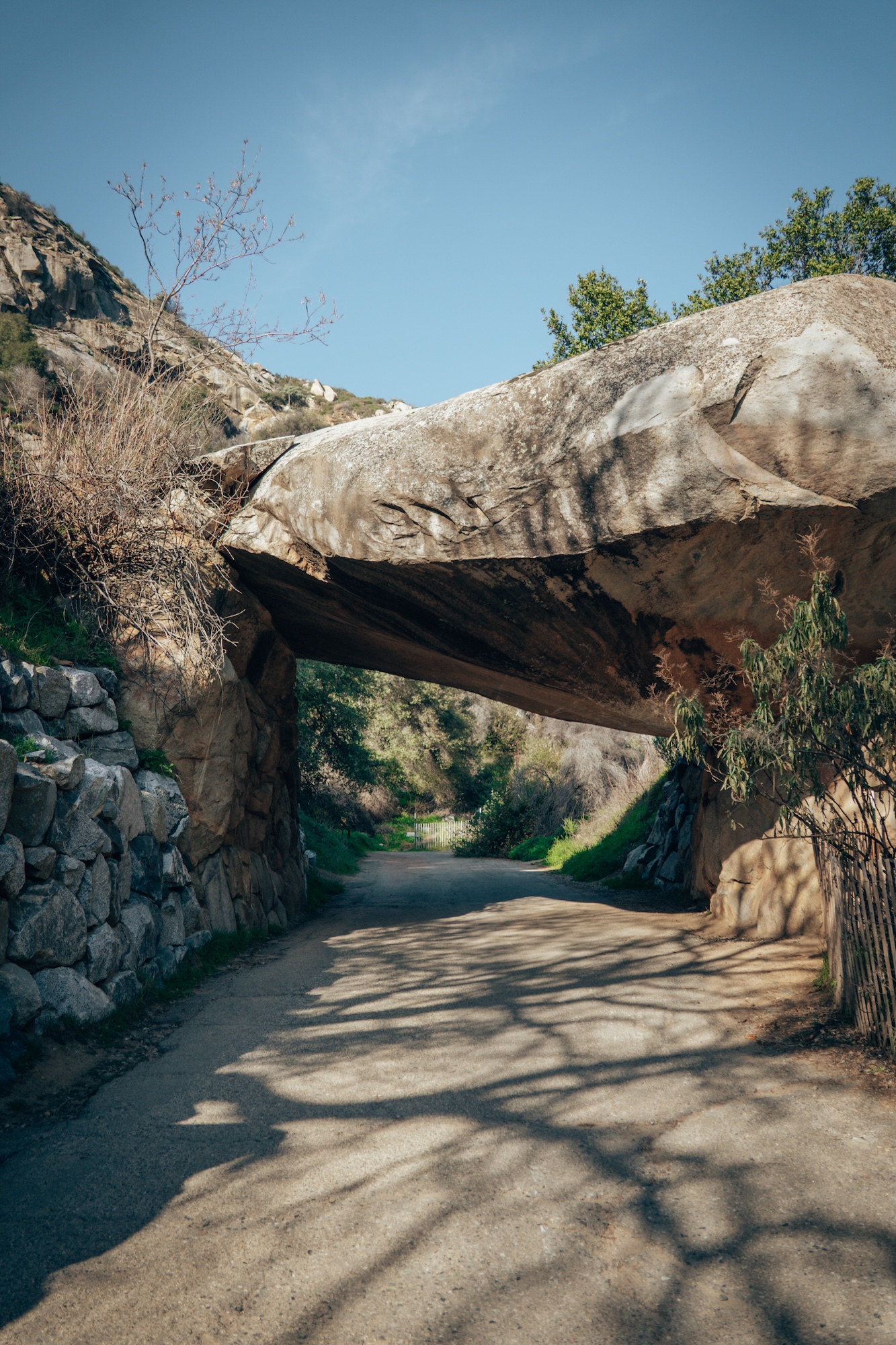
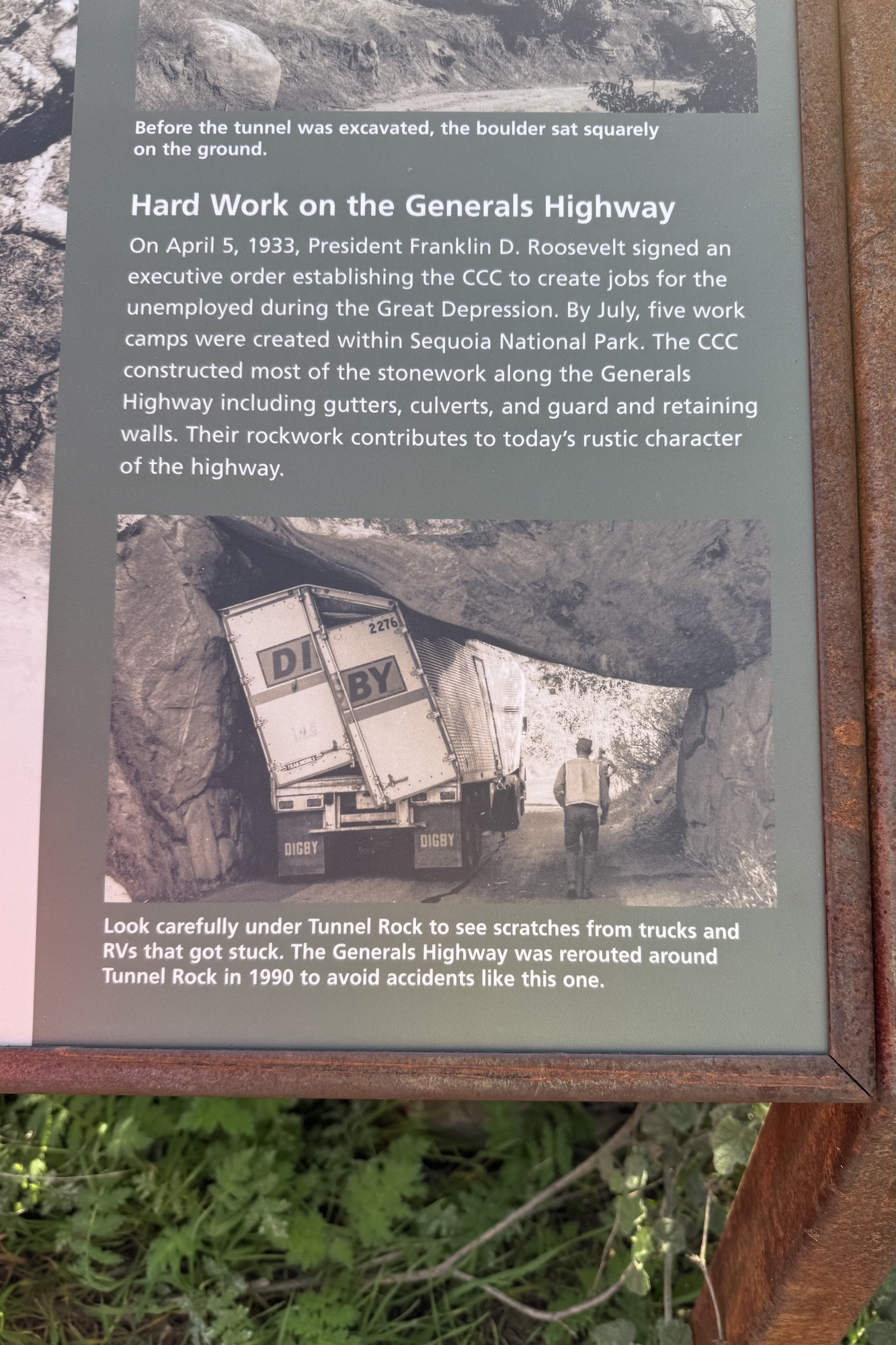
Just off the Generals Highway in Sequoia National Park, Tunnel Rock is an easy roadside curiosity worth a quick stop. This massive granite boulder fell down creating a tunnel of sorts, and early park builders routed traffic through it. After numerous traffic issues, they eventually rerouted traffic around it. Short paths let you walk around and under the rock, giving a sense of its scale. Interpretive signs explain its geology and history. It’s a fast, low-effort stop that breaks up the drive nicely.
- DIFFICULTY – Easy
- LENGTH – 0.0mi / 0.0km
- TIME NEEDED – 5-10 minutes
- PET FRIENDLY – Yes
ALTERNATIVE ACTIVITIES
KINGS CANYON NATIONAL PARK
Situated directly adjacent to Sequoia National Park, is Kings Canyon National Park. Kings Canyon National Park is renowned for its stunning granite canyons, diverse ecosystems, and high mountain peaks. The park features the impressive Kings Canyon, one of the deepest canyons in North America. You’ll also find scenic vistas, alpine meadows, and ancient sequoias. And due to its closeness to Sequoia National Park, the two parks operate under one umbrella. This is why you’ll only find one national park website for both of them.
In addition the canyon, you’ll also find a number of giant sequoia groves such as Grant Grove. This grove offers similar views as the Congress Trail in Sequoia National Park. So if you’re looking for a quick and simple activity, Kings Canyon is right there waiting for you!
- GRANT GROVE
- GRIZZLY FALLS
- SCENIC BYWAY
- ROARING RIVER FALLS
- ZUMWALDT MEADOW
Check out our HOW TO SPEND ONE DAY IN KINGS CANYON NATIONAL PARK article for more info!
HOW MUCH TIME IS NEEDED
To experience Sequoia National Park fully, most visitors plan at least two to three days. This allows time to see the Giant Forest and General Sherman Tree, hike a few trails, and drive scenic roads without feeling rushed. Day trips from nearby towns can cover highlights like Moro Rock, Tunnel Rock, and the lower-elevation campgrounds, but deeper exploration—including backcountry trails, waterfalls, or higher-elevation areas—requires more time. A full week provides the chance to combine hiking, wildlife spotting, and quieter forest areas while soaking in the park’s scale. Even with limited time, prioritizing key sites and planning routes efficiently helps visitors make the most of their Sequoia experience.
OTHER THINGS TO CONSIDER
Before visiting Sequoia National Park, keep these important details in mind:
- Entrance fees are typically $35 per vehicle for a seven-day pass, and America the Beautiful passes are accepted.
- The park has multiple entrances, with Ash Mountain near Three Rivers as the main access point.
- Roads and higher-elevation areas may close seasonally due to snow, so check conditions before visiting.
- Crowds are heaviest in summer and on holiday weekends; visiting early in the morning or later in the afternoon helps avoid lines.
- Cell service is limited in many areas, so download maps and plan navigation offline.
- The park includes a wide range of elevations—from foothills to alpine peaks—so temperatures vary widely depending on location and season.
- Wildlife is abundant; keep a safe distance from animals and store food properly to avoid attracting bears or other wildlife.
- Trails range from short, paved walks to strenuous backcountry hikes; choose routes based on experience and fitness.
- Fires are allowed only in designated areas, and restrictions may apply during high fire danger periods.
- Quiet hours are generally enforced in developed areas to maintain a peaceful environment for all visitors.
- The park offers guided tours, educational programs, and interpretive exhibits to enhance the visitor experience.
- Seasonal conditions, such as wildflower blooms, waterfall flows, and snowpack, affect what you can see and do in the park.
ULTIMATE GUIDE TO SEQUOIA NATIONAL PARK
A visit to Sequoia National Park offers a chance to experience some of the world’s largest trees, dramatic mountain landscapes, and diverse ecosystems all in one place. From towering sequoias in Giant Forest to alpine peaks and rushing rivers, the park combines awe-inspiring scenery with accessible hiking, scenic drives, and educational programs. Whether you’re here for a single day or an extended stay, planning ahead for weather, seasonal conditions, and popular sites ensures a smoother, more rewarding trip. With its mix of natural wonder, adventure, and quiet moments in the forest, Sequoia National Park leaves a lasting impression on every visitor.
Here’s a few other articles we’ve written on this incredible park.
- THREE RIVERS: THE TRUE GATEWAY TO SEQUOIA NATIONAL PARK
- HOW TO SPEND ONE DAY IN SEQUOIA NATIONAL PARK
- CRYSTAL CAVE IN SEQUOIA NATIONAL PARK: HOW TO PLAN YOUR VISIT
CALIFORNIA BUCKET LIST MAP
Want to see all these locations as well as other things to do nearby all in one place? If so, this map is for you. Not only does our bucket list map and guide to California have ALL the details and location info for these places, but it also has over 750 other points of interest in California in it. With all of the location specific details and information like GPS location, dog-friendliness, cost, and more. And with an itinerary creator, this map is the perfect trip planning companion.
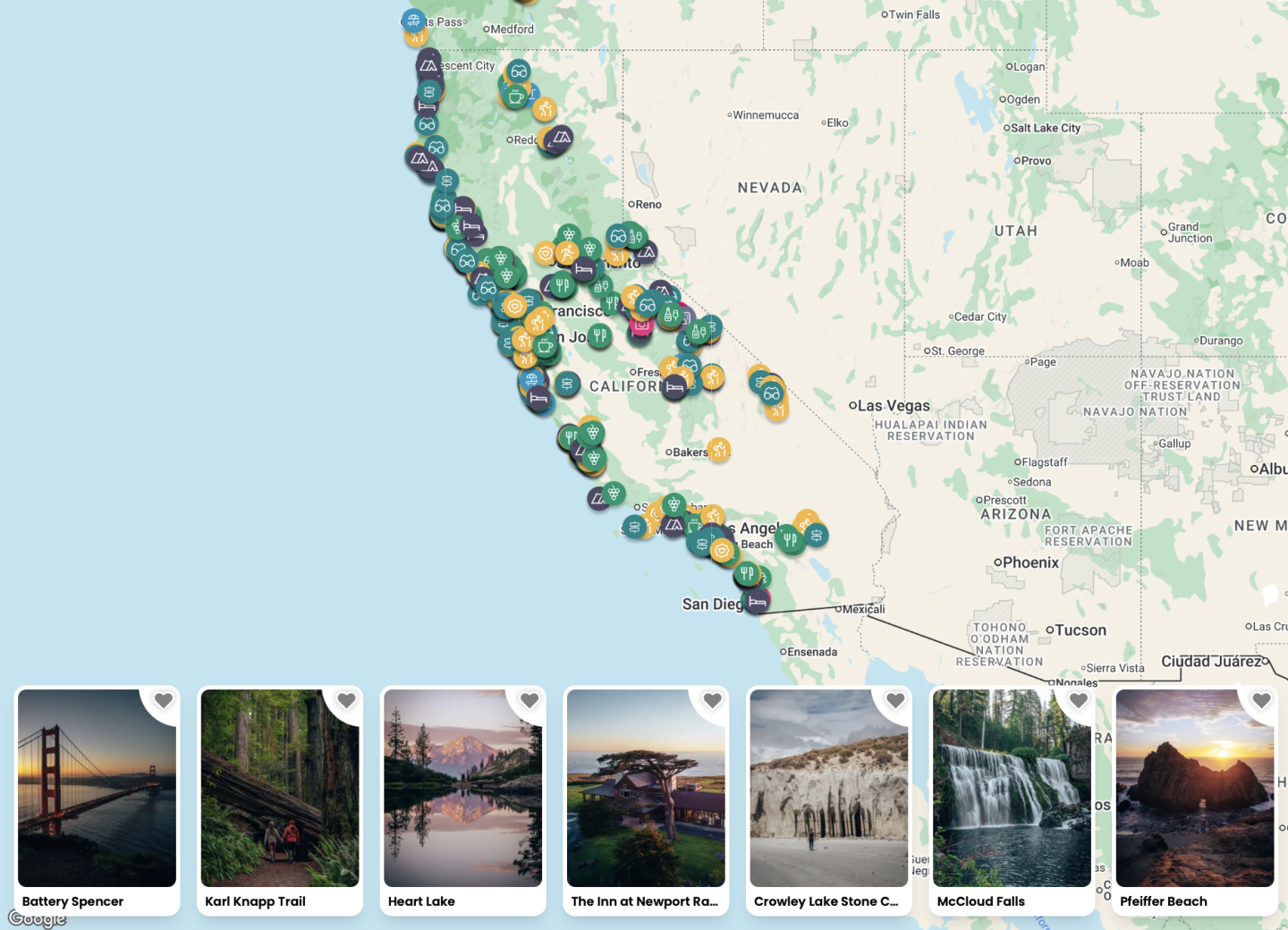
Not much of a planner? No worries! We also have curated itineraries to make the planning process easier for you. In addition to that, book a call with us or have us create a custom itinerary for you! We are here to help!
LOOKING FOR MORE CALIFORNIA INSPIRATION?
And if you’re looking for some other California or National Park inspiration, check out some of our other articles:
- ULTIMATE GUIDE TO YOSEMITE NATIONAL PARK
- 5 MUST-DO ACTIVITIES IN JOSHUA TREE NATIONAL PARK
- ULTIMATE GUIDE TO LASSEN VOLCANIC NATIONAL PARK
- 5 MUST-DO ACTIVITIES IN REDWOOD NATIONAL AND STATE PARKS
- 12 TOWNS TO VISIT ON THE CALIFORNIA COAST
- 9 WAYS TO VIEW GOLDEN GATE BRIDGE
- 10 NATIONAL PARKS IN THE U.S. YOU PROBABLY DIDN’T KNOW EXISTED
Did this article help you? Did we miss or forget something you would have liked to have seen in it? Let us know in the comments below!
Happy exploring and thanks for stopping by! – Ryan & Katy
