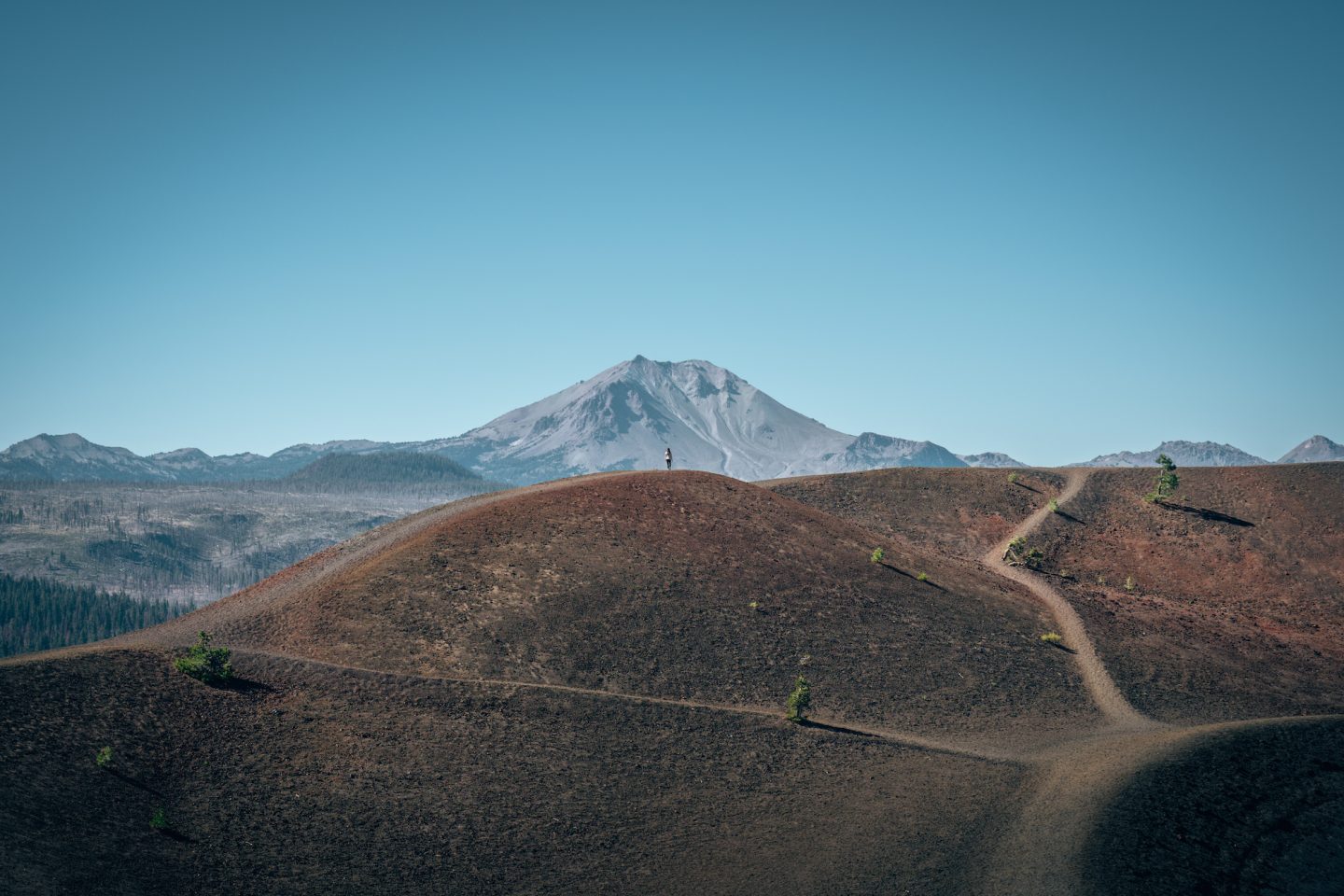
Have you ever heard of Lassen Volcanic National Park in California? If you answered “No”, you are not alone. Lassen is 1 of 9 different California national parks, and tends to get overlooked due to its remoteness in Northern California. But we’re here to tell you, and show you, why this national park needs to be on your bucket list. So here’s our ultimate guide to Lassen Volcanic National Park in California!
- LASSEN VOLCANIC NATIONAL PARK MAP
- WHERE IS LASSEN VOLCANIC NATIONAL PARK LOCATED?
- ABOUT LASSEN VOLCANIC NATIONAL PARK
- ENTRY TO LASSEN VOLCANIC NATIONAL PARK
- LASSEN VOLCANIC NATIONAL PARK ENTRANCES
- THINGS TO DO IN LASSEN VOLCANIC NATIONAL PARK
- OTHER THINGS TO DO IN LASSEN VOLCANIC NATIONAL PARK
- PLACES TO STAY IN LASSEN NATIONAL PARK
- PLACES TO STAY NEAR LASSEN NATIONAL PARK
- BEST TIME TO VISIT LASSEN VOLCANIC NATIONAL PARK
- HOW MUCH TIME IS NEEDED
- OTHER THINGS TO CONSIDER
- MAP OF CALIFORNIA
- ULTIMATE GUIDE TO LASSEN VOLCANIC NATIONAL PARK
LASSEN VOLCANIC NATIONAL PARK MAP
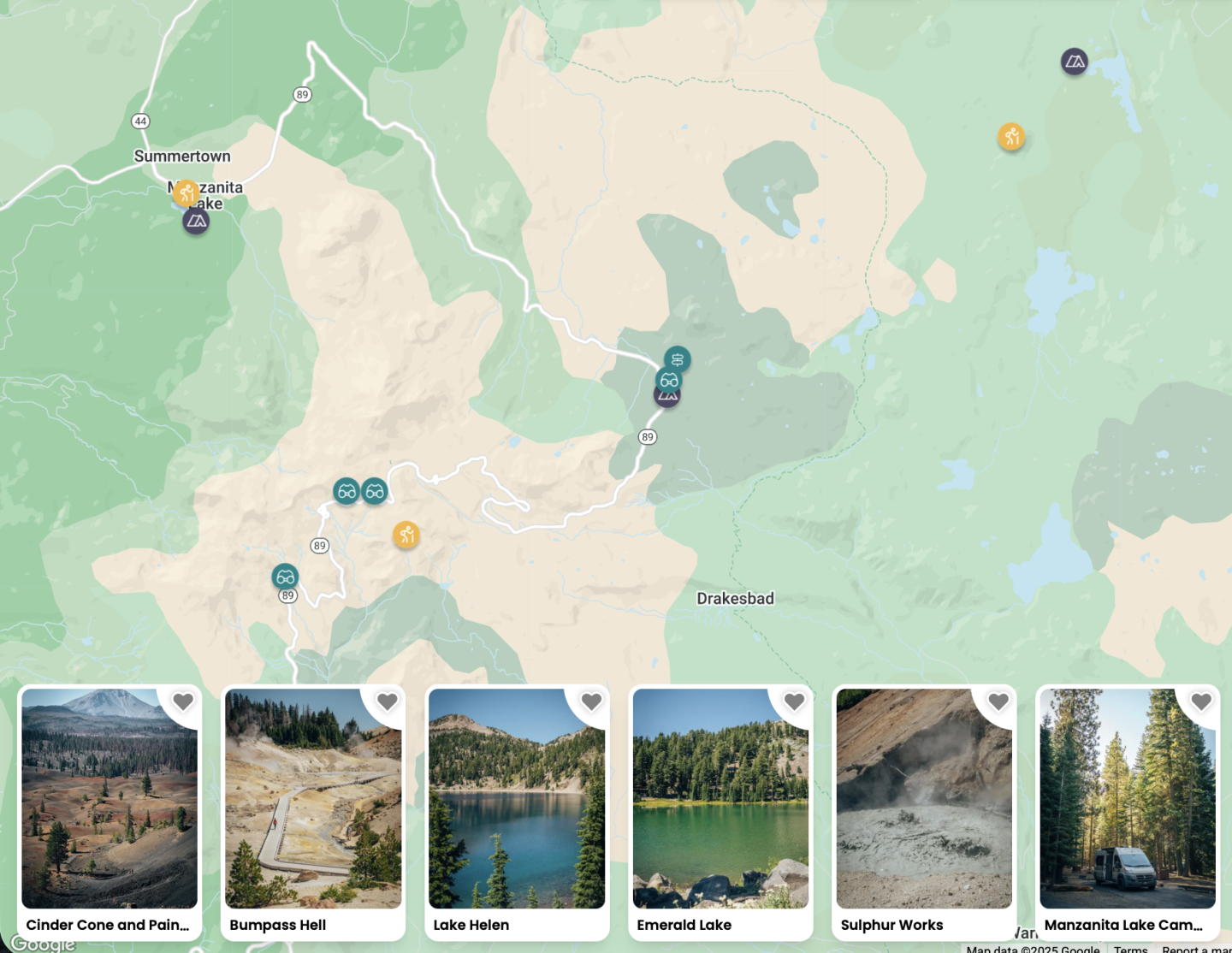
Check out our map below to not only see exactly where some of the places in this article are located, but over 500 other points of interest in California as well!
WHERE IS LASSEN VOLCANIC NATIONAL PARK LOCATED?
We mentioned above that Lassen is a relatively remote national park in California, and this couldn’t be more true. Lassen is located in the far northern part of California roughly 4 hours from the Oregon border. The closest major city is Sacramento, and it’s about a 3 hour drive away, or Reno/Tahoe which are also about 4 hours away. This remoteness tends to deter people from visiting. The good news, is there is not only a ton to do IN Lassen Volcanic National Park, but also in the surrounding areas.
DRIVE FROM:
- SACRAMENTO: 3 hours
- SAN FRANCISCO: 5 hours
- RENO/TAHOE: 4 hours
- PORTLAND: 8 hours
ABOUT LASSEN VOLCANIC NATIONAL PARK
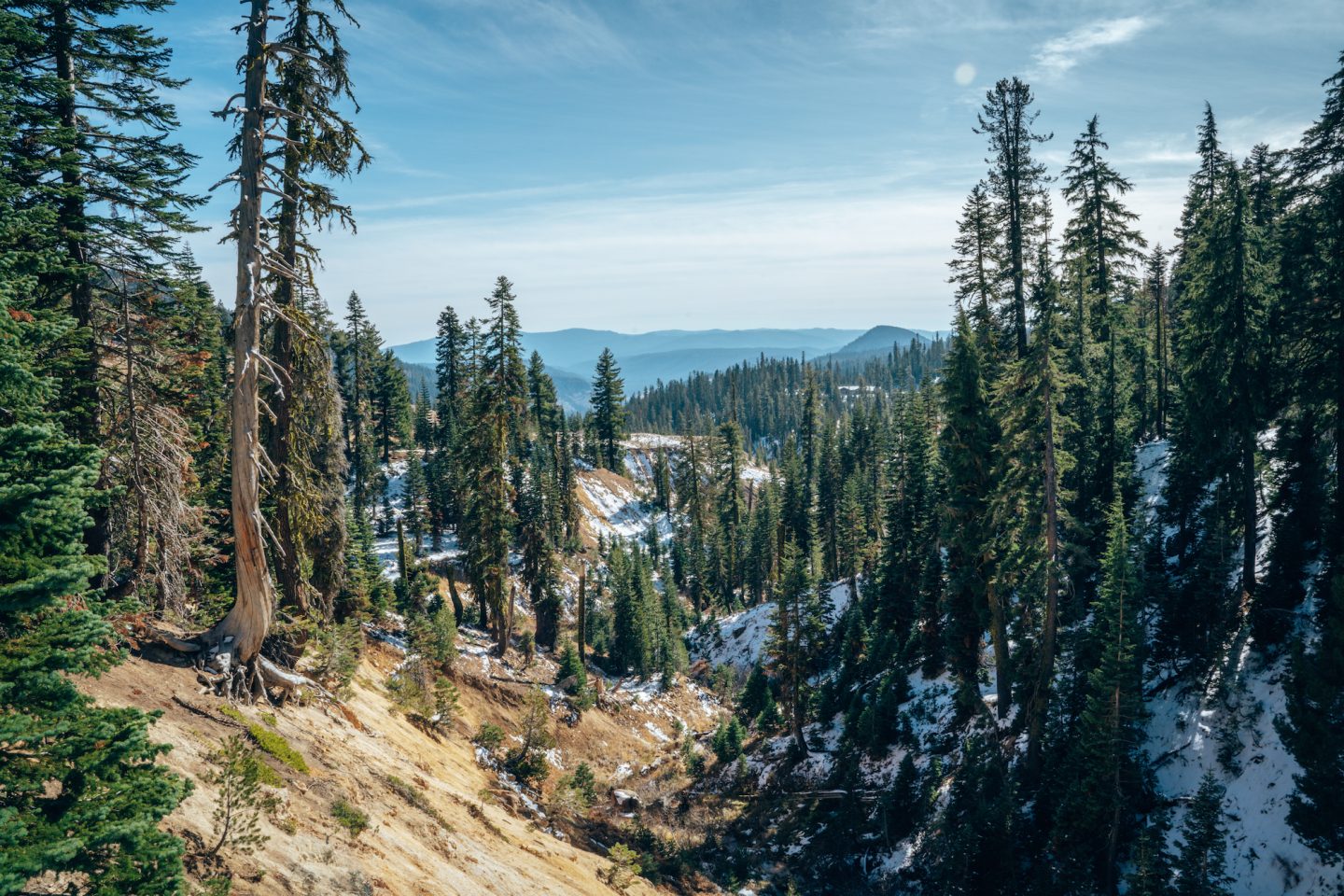
Lassen Volcanic National Park is named after Peter Lassen, one of the first settlers in the area who found a path (Lassen Trail) through the mountains. And if you aren’t familiar with Lassen Volcanic National Park in California, and it wasn’t obvious, Lassen is most known for its volcanoes and volcanic landscapes. There are 4 different types of volcanoes on our planet (Shield, Plug, Dome and Cinder Cone), and Lassen has all 4 of them! It’s the only place you can find all 4 in one place. The last eruption that occurred, was in 1917 when Lassen Peak erupted. But don’t fret, we are not in any imminent danger of these volcanoes erupting, at least not in our lifetimes.
ENTRY TO LASSEN VOLCANIC NATIONAL PARK
Good news! No reservations or timed entries required! Also good news, no long lines of vehicles waiting to enter the park! Not having to worry about timed entry reservations or lines of vehicles, makes visiting this park so much easier than that some of its larger sibling parks. There is however still an entry fee, and depending on when you visit, the price may vary.
During non-winter months (May-November), Lassen has a standard 7-day vehicle pass for $30. If you plan to visit during the winter months (December-April), the price for the same 7-day vehicle pass is only $10. But there is a very good reason for this, which we’ll touch in below in the best time to visit section. If you are someone who lives in Northern California (or the surrounding area) and would like to visit Lassen often, they do have a $55 annual pass that you can get as well.
If you are someone like us who is either on a mission to visit every single National Park in the U.S., or plans to visit more than 2 or 3 U.S. national parks per year, then we’d highly recommend getting the America The Beautiful Pass. For $80, this annual pass gives you full access to all 63 National Parks in the U.S., as well as any federal recreational sites that charge a fee for entry. Stay at 3 National Parks and this easily pays for itself.
LASSEN VOLCANIC NATIONAL PARK ENTRANCES
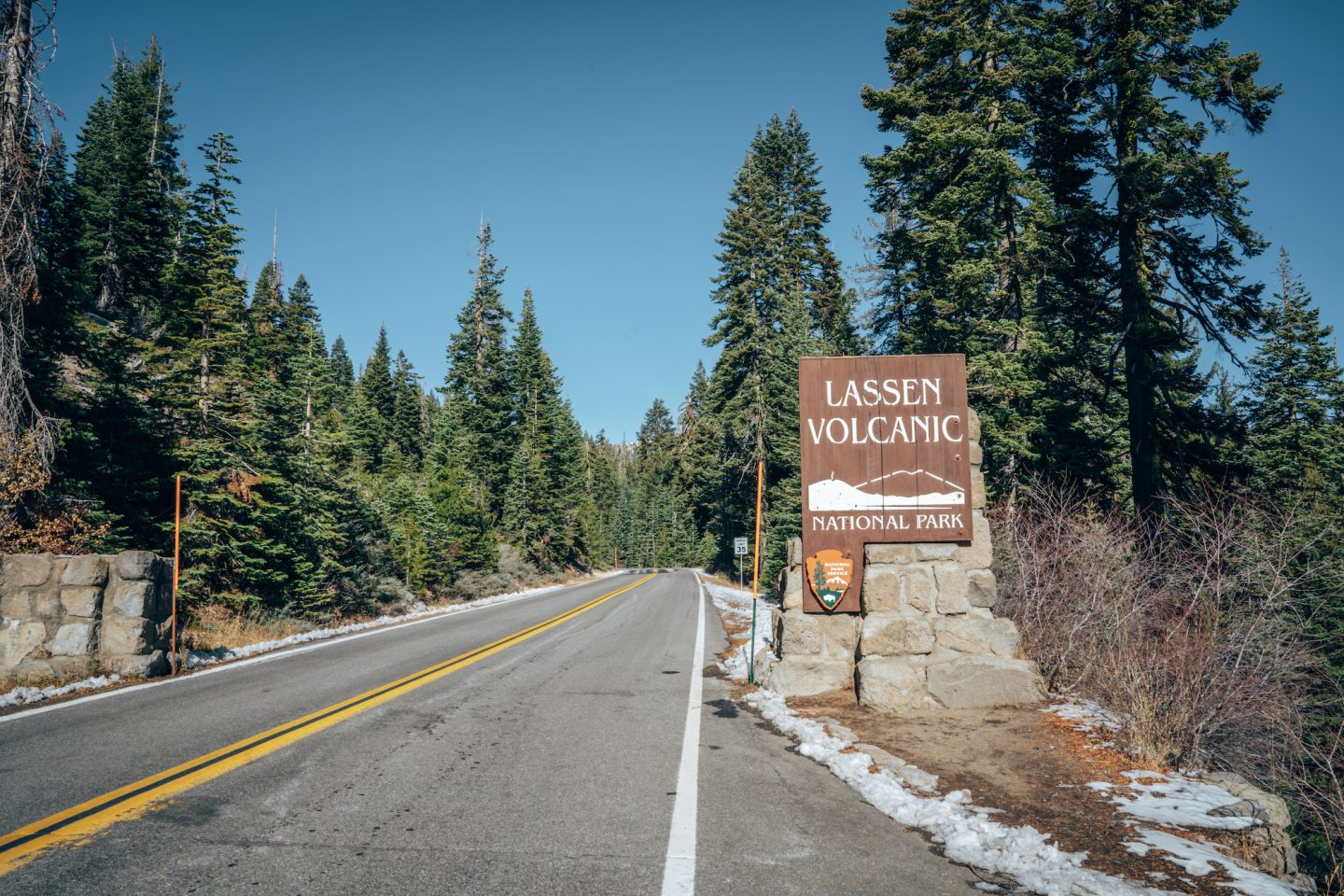
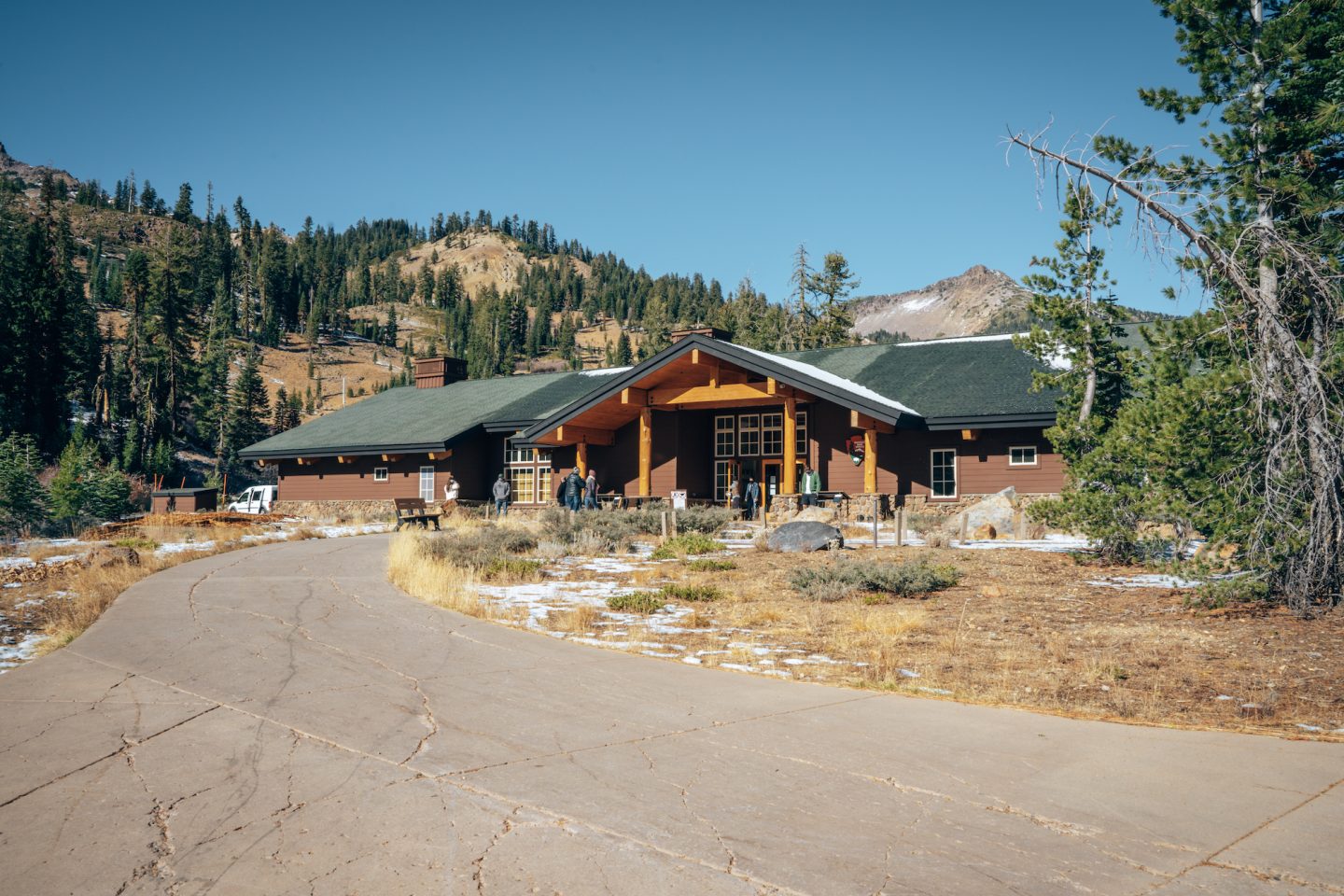
There are a number of different areas where you can enter the park, but there are only two official entrances and they are both located on the western side of the park. One is the Northwest Entrance which is near Manzanita Lake and includes the historic Loomis Museum which is only open during the summer. The other is the Southwest Entrance which is where the main Kohm Yah-mah-nee Visitor Center is located. This entrance and visitor center are open all year long.
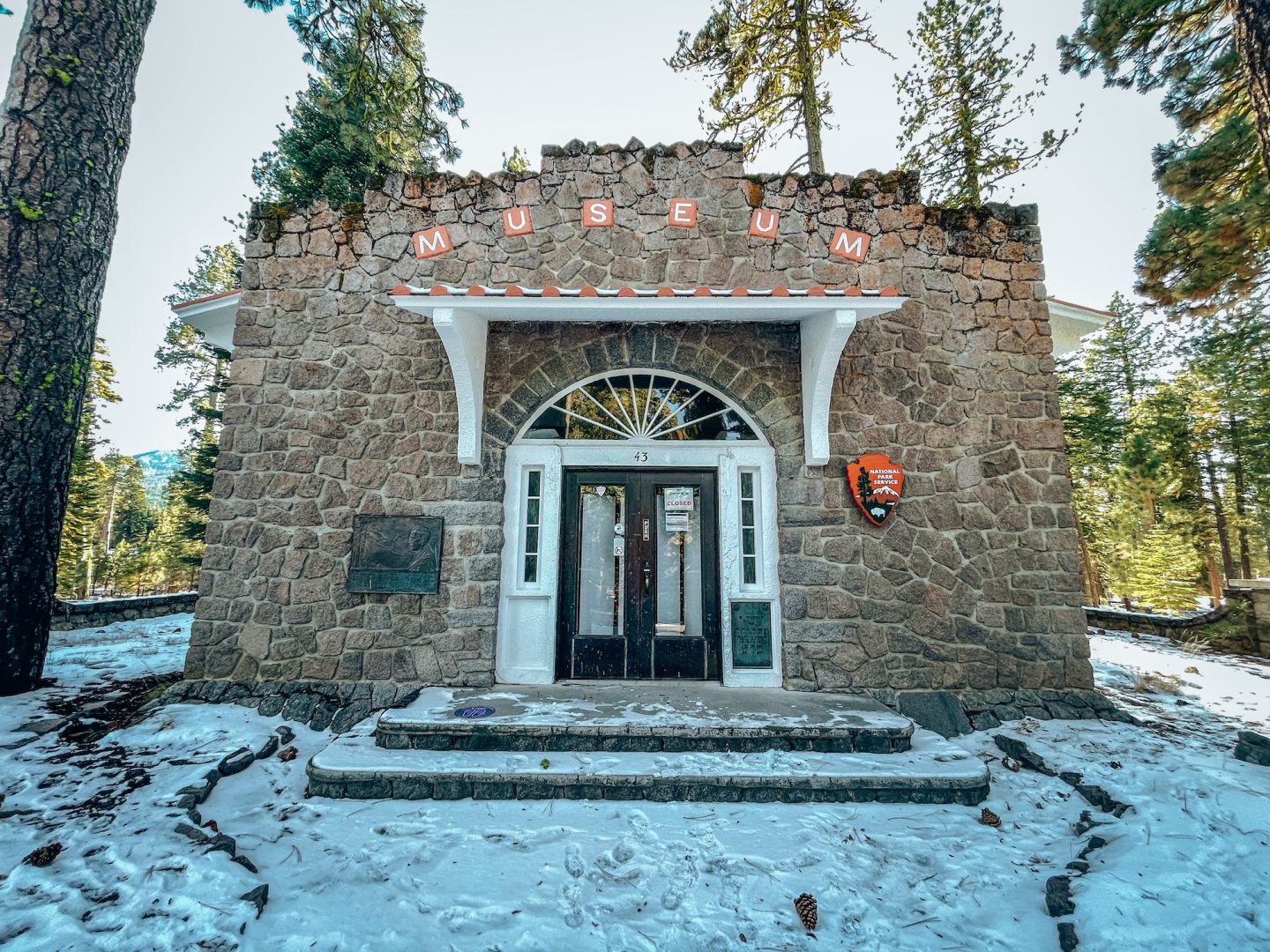
THINGS TO DO IN LASSEN VOLCANIC NATIONAL PARK
For being one of the smaller, more remote and less popular parks, there is a ton to do in this park, no matter how experienced you are. So let’s get in to all the fun and unique things there are to do in Lassen Volcanic National Park!
SULPHUR WORKS
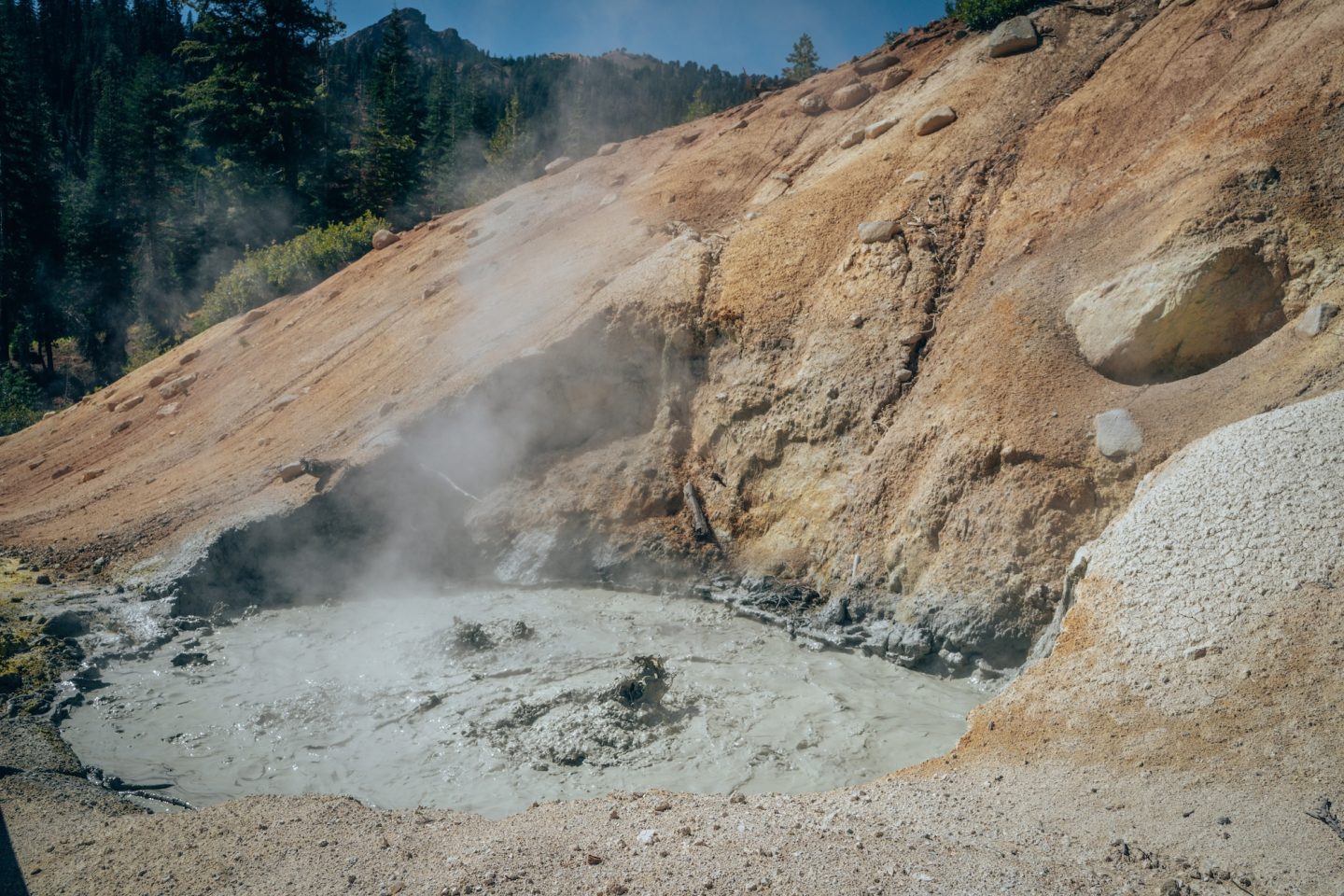
If you’re coming in to the park from the southwest entrance, Sulphur Works is the first thing you’ll see after passing the Kohm Yah-mah-nee Visitor Center. It’s one of the most popular and accessible areas within the park. Sulphur Works in Lassen Volcanic National Park showcases boiling mud pots, steaming fumaroles, and colorful mineral deposits in an accessible roadside location. This is also one of the only areas in the park that remains open year-round.
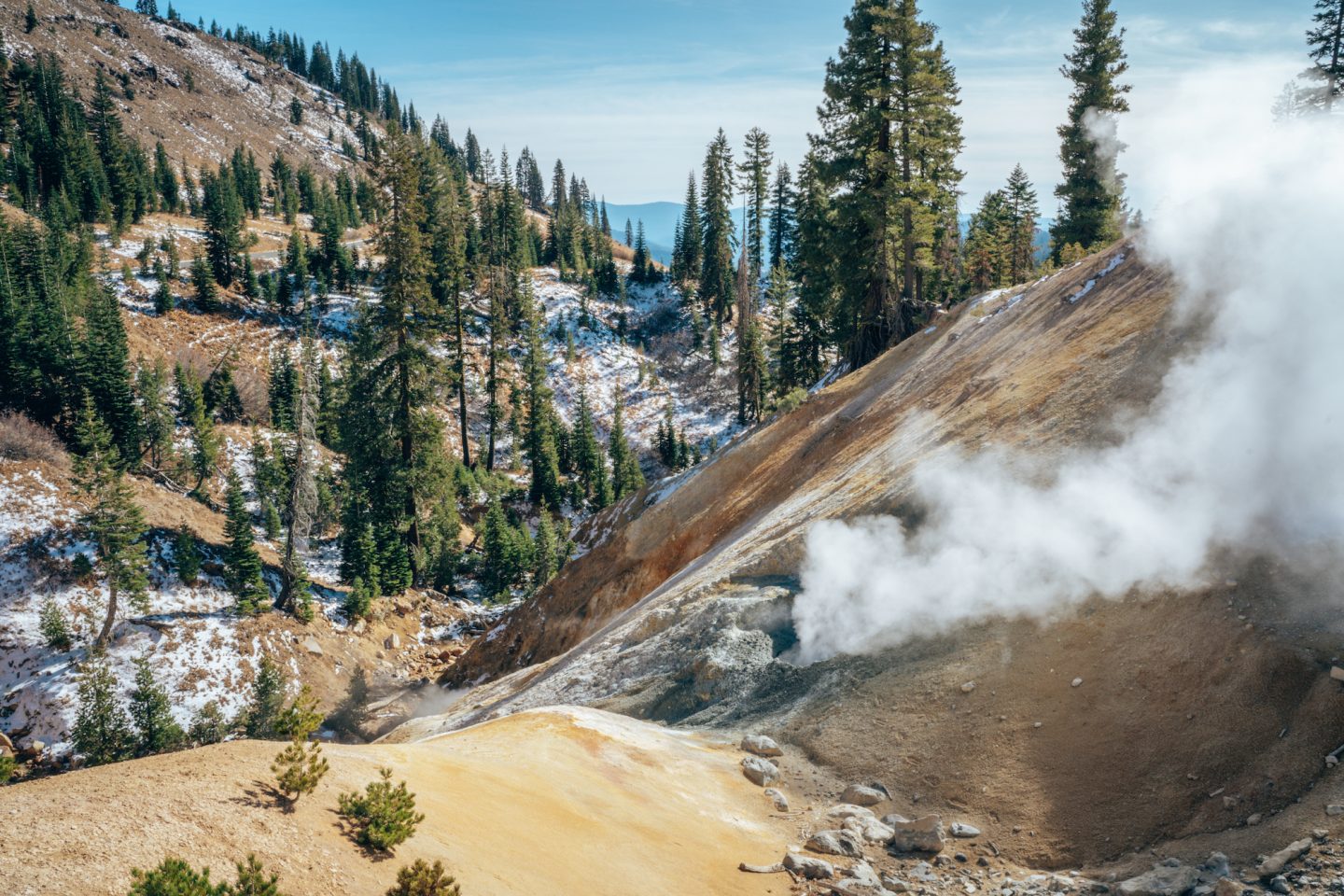
*Disclaimer: While this is one of the easiest and most accessible areas of the park, it can also be one of the more dangerous areas due to the unsafe ground. So please remain on the designated paths and do not venture off on your own. People have been severely injured in the past by not staying on the paths.
- DIFFICULTY – Easy
- LENGTH – 0.2mi / 0.32km
- PET FRIENDLY – No
BUMPASS HELL
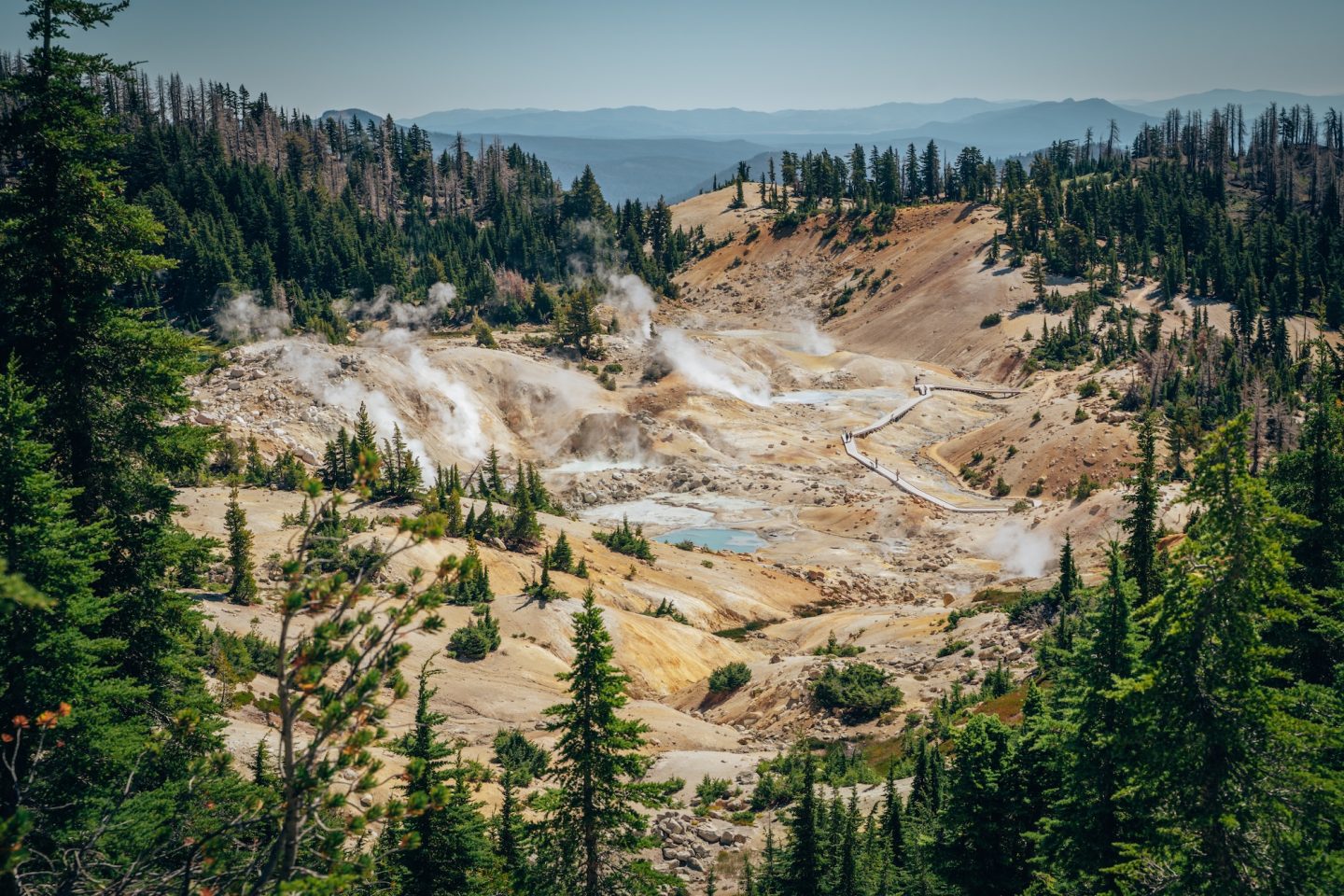
One of the most famous and fascinating spots in Lassen Volcanic National Park is Bumpass Hell, offering visitors a chance to experience the park’s dramatic hydrothermal activity up close. Named after Kendall Vanhook Bumpass, a settler who discovered the area in the 1860s, this geothermal basin features steaming fumaroles, boiling mud pots, and vibrant hot springs that showcase the park’s volcanic origins. A well-maintained boardwalk allows safe viewing of the features while protecting both visitors and the fragile landscape, making it a must-see stop for anyone exploring Lassen.
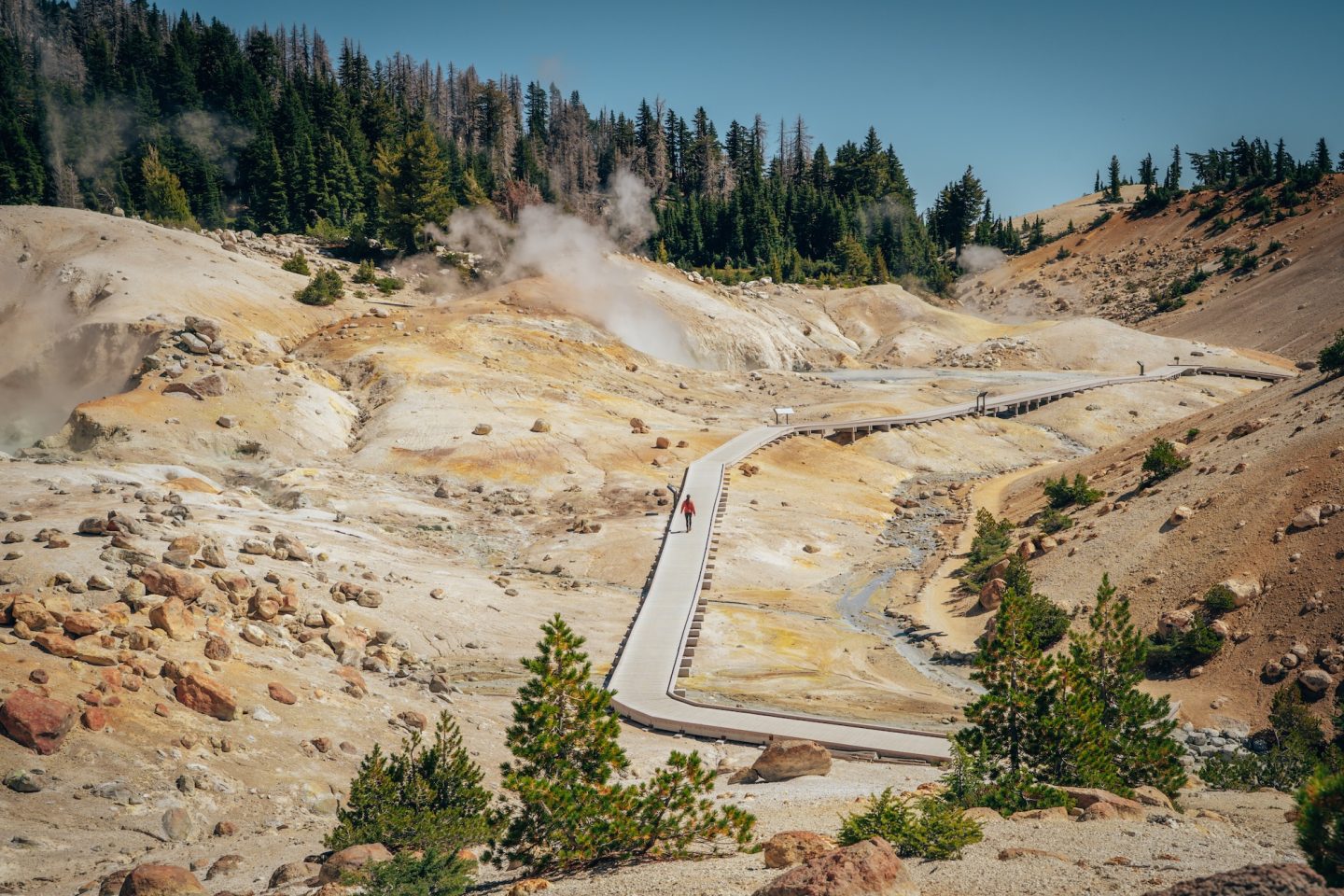
Reaching Bumpass Hell is part of the adventure. A 3-mile round-trip hike leads you through subalpine forests and open ridges with sweeping views of the surrounding peaks before descending into the hydrothermal basin. The hike is considered moderate and is best attempted in summer or early fall, as snow often lingers on the trail well into June or even July. With its otherworldly sights and unique geothermal activity, Bumpass Hell is a highlight of Lassen and one of the most remarkable natural wonders in Northern California.
- DIFFICULTY – Moderate
- LENGTH – 3.0mi / 4.8km
- PET FRIENDLY – No
CINDER CONE
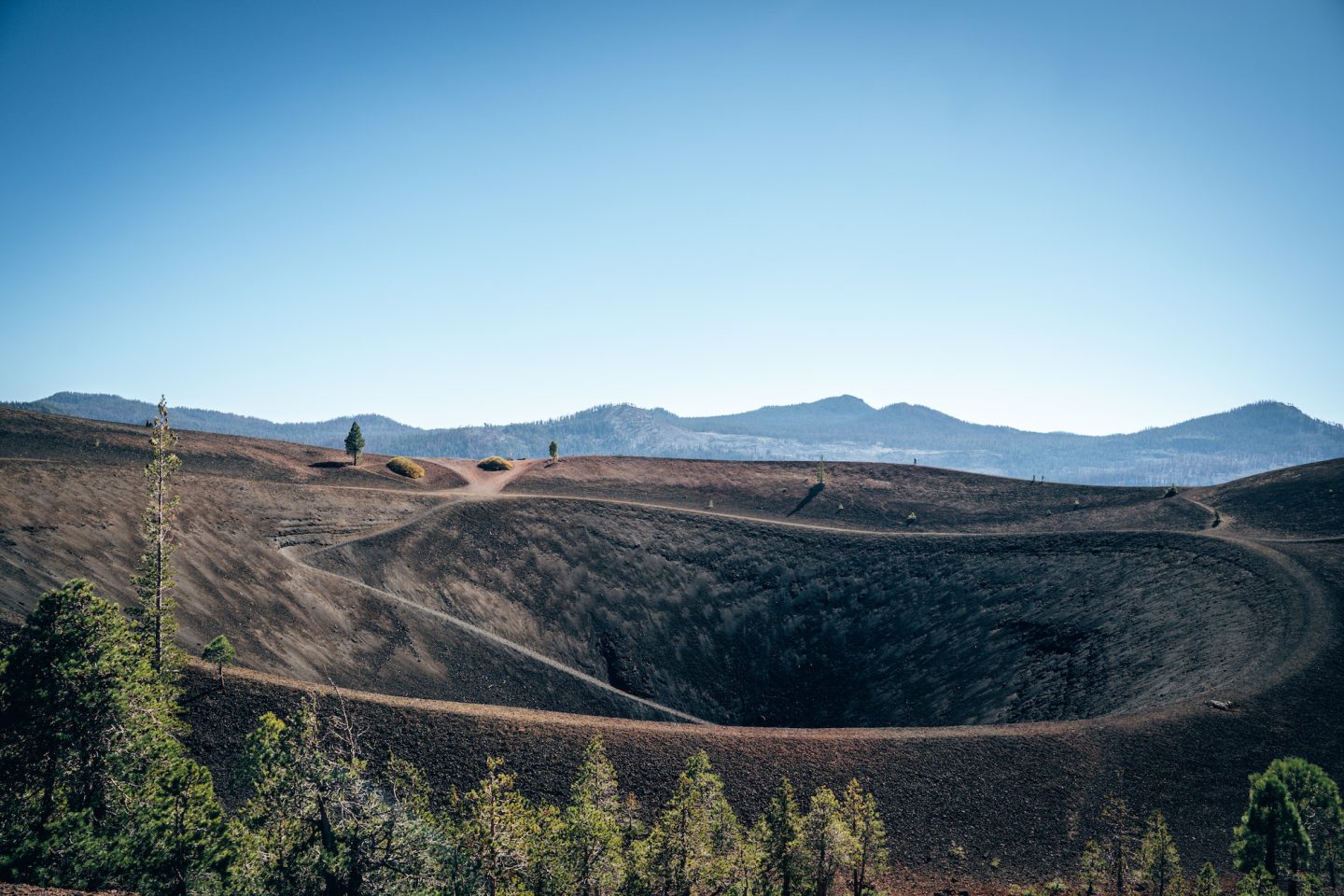
This hike is no joke. But the payoff at the end is WELL WORTH IT. Cinder Cone is named as such due to being a Cinder Cone volcano. It’s one of the few volcanoes you can actually hike up to in the park. If you choose not to hike up to the top, the trail is very easy and well-maintained (roughly 2.5mi / 4.0km roundtrip). If you do attempt to brave the massive elevation incline, you’ll be looking at closer to 4.5mi / 7.2km roundtrip. But you’ll have incredible views of both Lassen Peak, Lassen National Forest and painted dunes! Which we’ll get in to next.
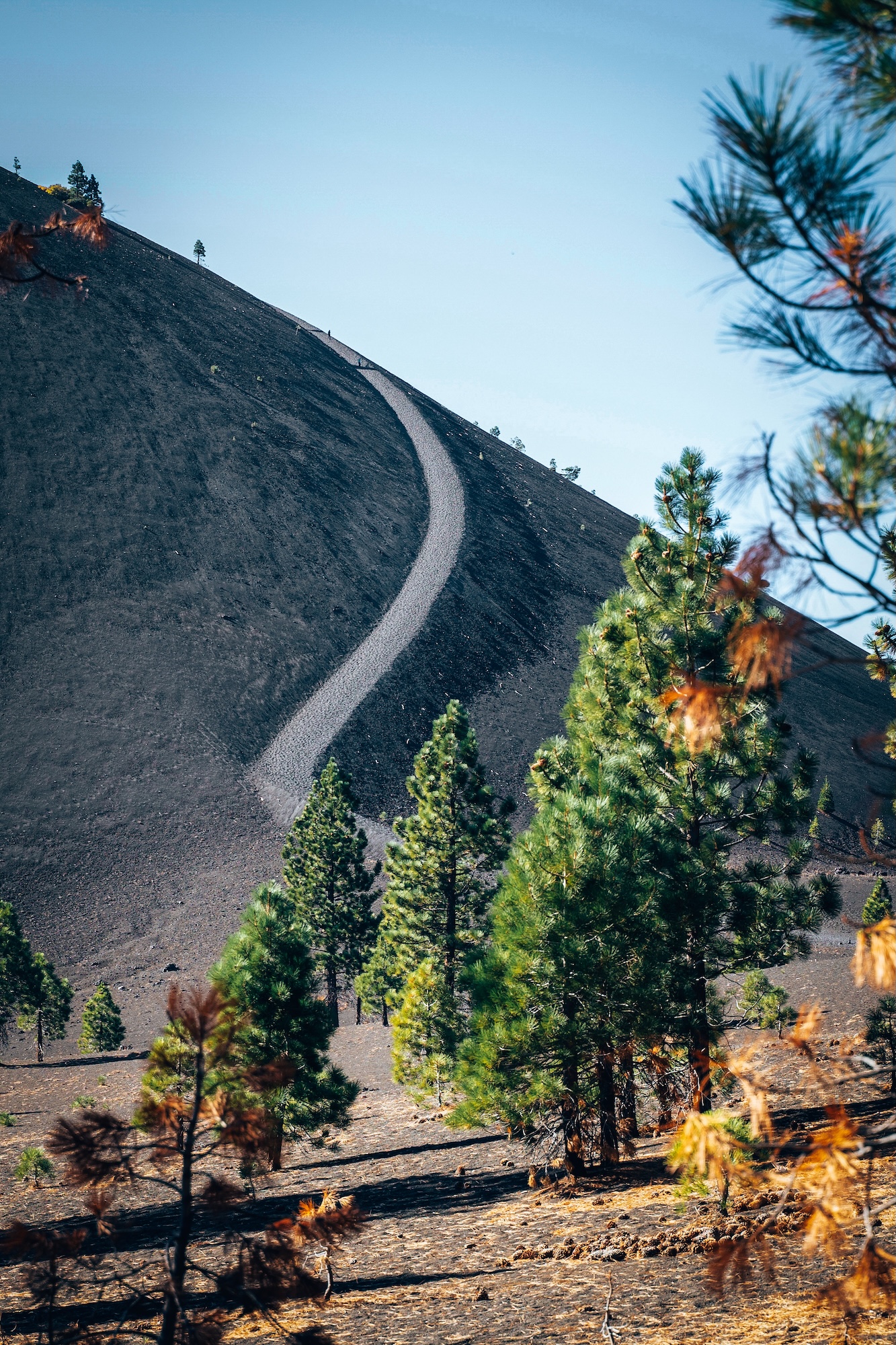
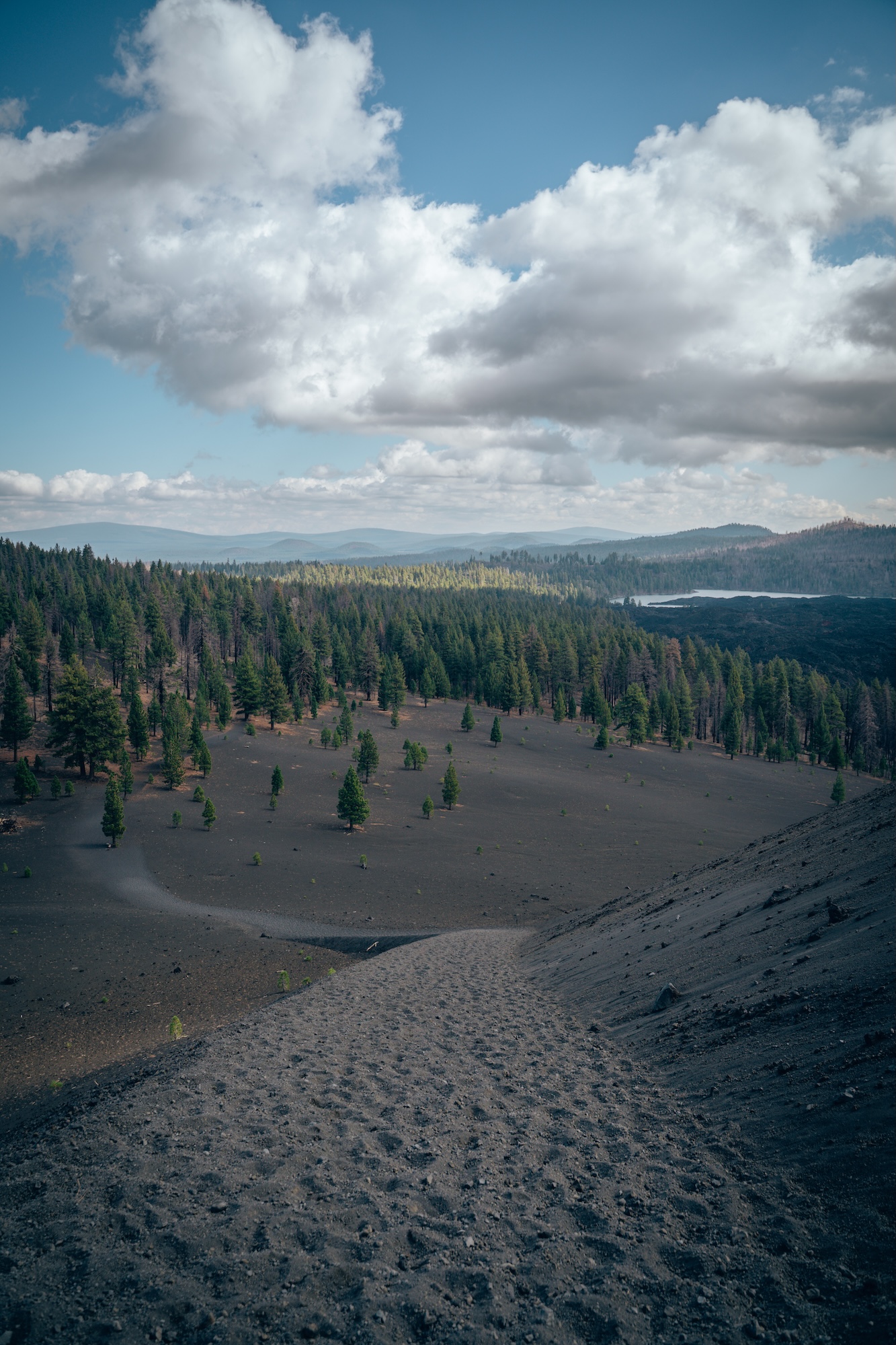
- DIFFICULTY – Moderate to Hard
- LENGTH – 2.5-4.5mi / 4.0-7.2km
- PET FRIENDLY – No
DISCLAIMER: This campground is a TREK. To get to this campground (and the Cinder Cone Trail), you’ll turn off of Highway 44 on to a forest service road. This is a 7mi/11.2km hard pack gravel road that is washboard nearly the entire drive. If you are traveling in an SUV or 4×4 vehicle, you’ll likely be fine. But if you are traveling in a RV or camper, this is one of THE WORST drives we’ve ever done. We could not drive faster than 10mph due to the bumps and vibration. So plan accordingly.
PAINTED DUNES
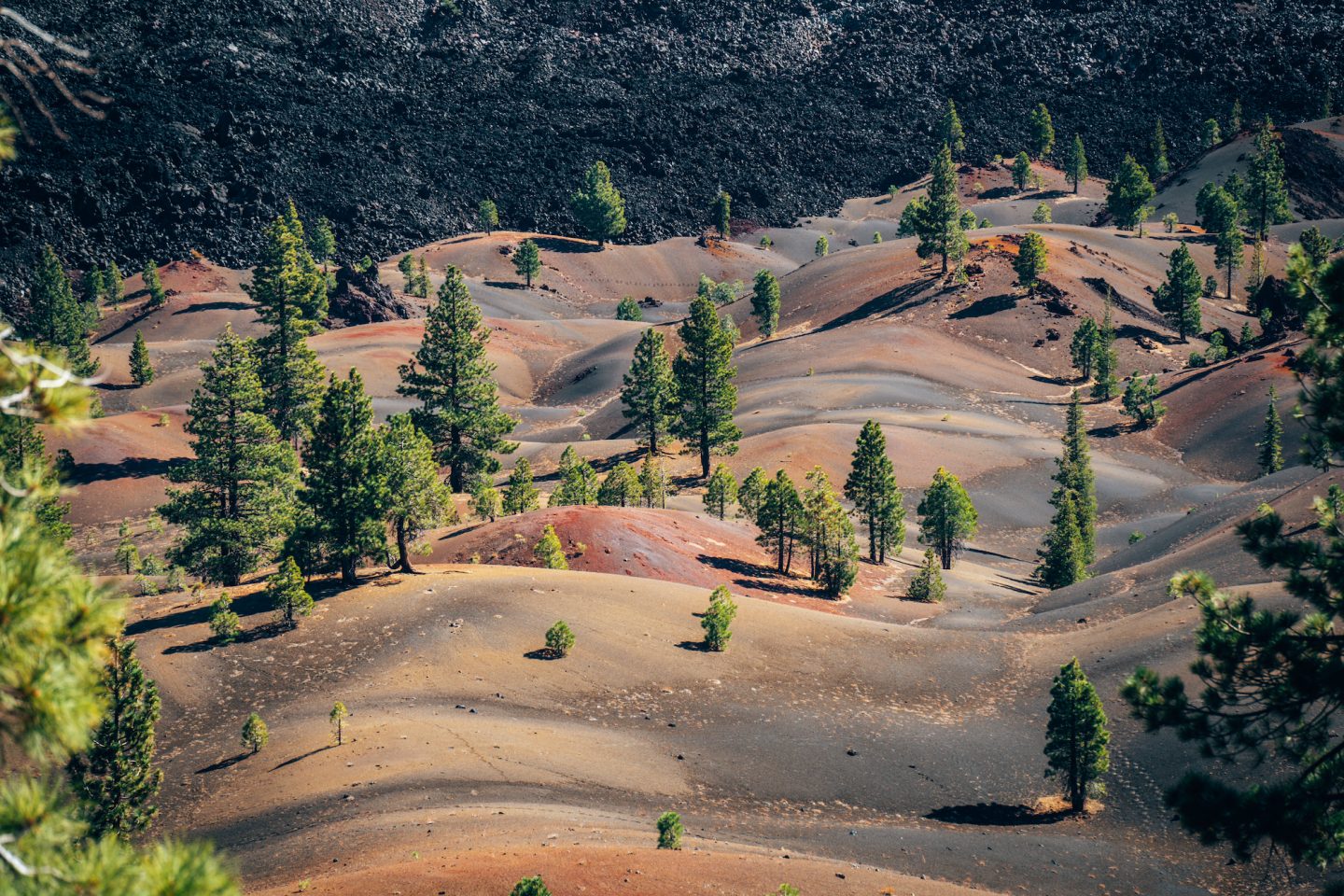
This is more a bi-product of doing the Cinder Cone Trail, but felt it needed it’s own listing. The Cinder Cone Trail splits in to two paths at the base of the cone. One goes STRAIGHT up the cone, and the other wraps around the back. Both are moderate to strenuous, so there’s no easy path up. But if you aren’t keen on going straight up, the path around the back would be better.
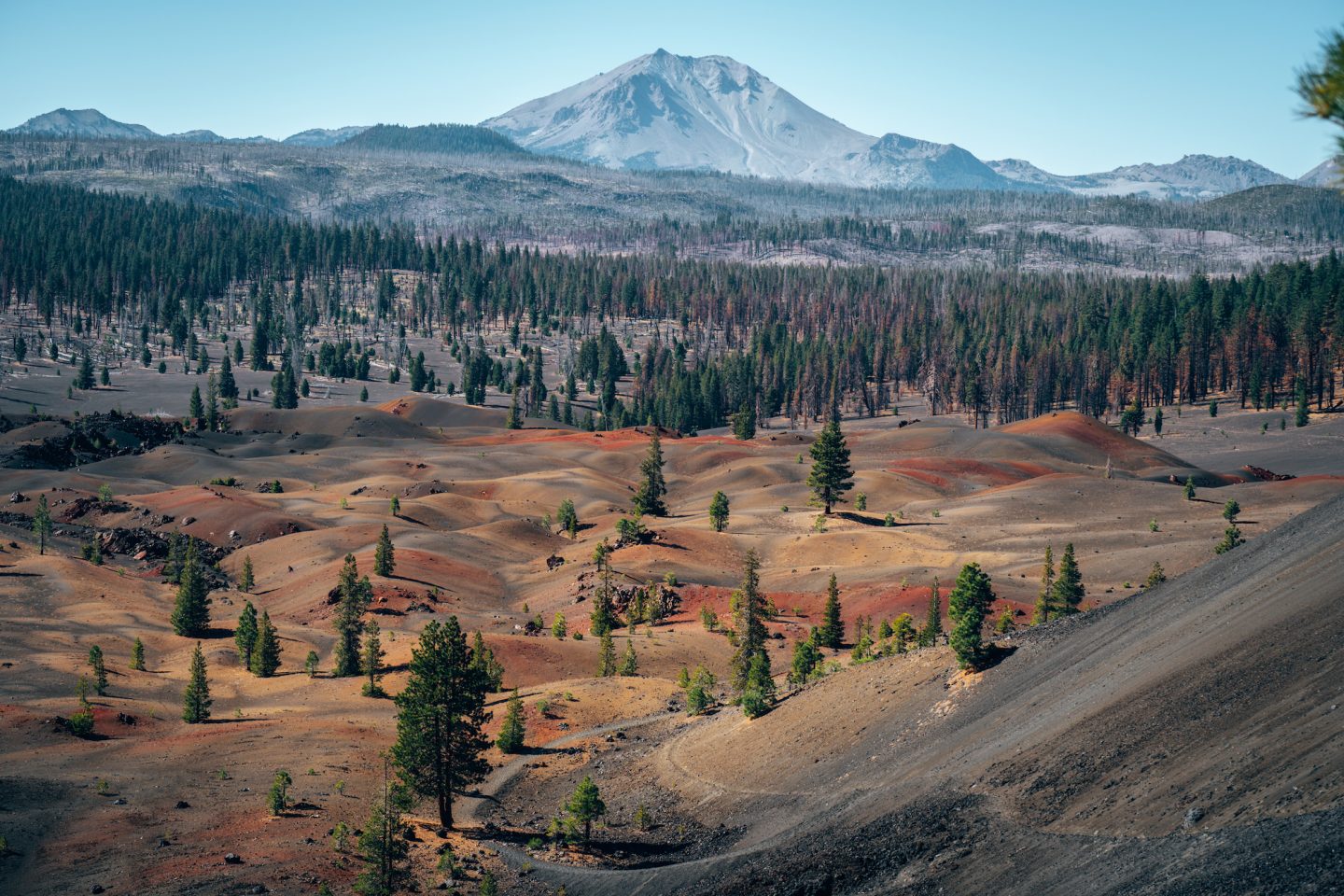
When hiking to the cone, and even up the front, you can’t really see the dunes. It’s not until you either get to the top, or get around to the backside of the cone that you get the best views. And oh are they worth the hike! These painted dunes, named so due to the mixture of tan and pink/red colors, are a result of the volcanic elements surrounding this cinder cone volcano. Weather can definitely play a role in just how visible and colorful these dunes appear, we’d recommend going when the sun is up and shining for the best views.
- DIFFICULTY – Moderate to Hard
- LENGTH – 2.5-4.5mi / 4.0-7.2km
- PET FRIENDLY – No
LAKE HELEN
One of the most striking alpine lakes in Lassen Volcanic National Park is Lake Helen, sitting at over 8,000 feet in elevation beneath the towering summit of Lassen Peak. Known for its vivid turquoise-blue color and dramatic mountain backdrop, the lake is fed by snowmelt and often remains partially frozen or ringed with ice well into the summer. Its beauty is matched by its harshness—Lake Helen is one of the coldest lakes in California, with water temperatures rarely climbing above freezing even on warm days.
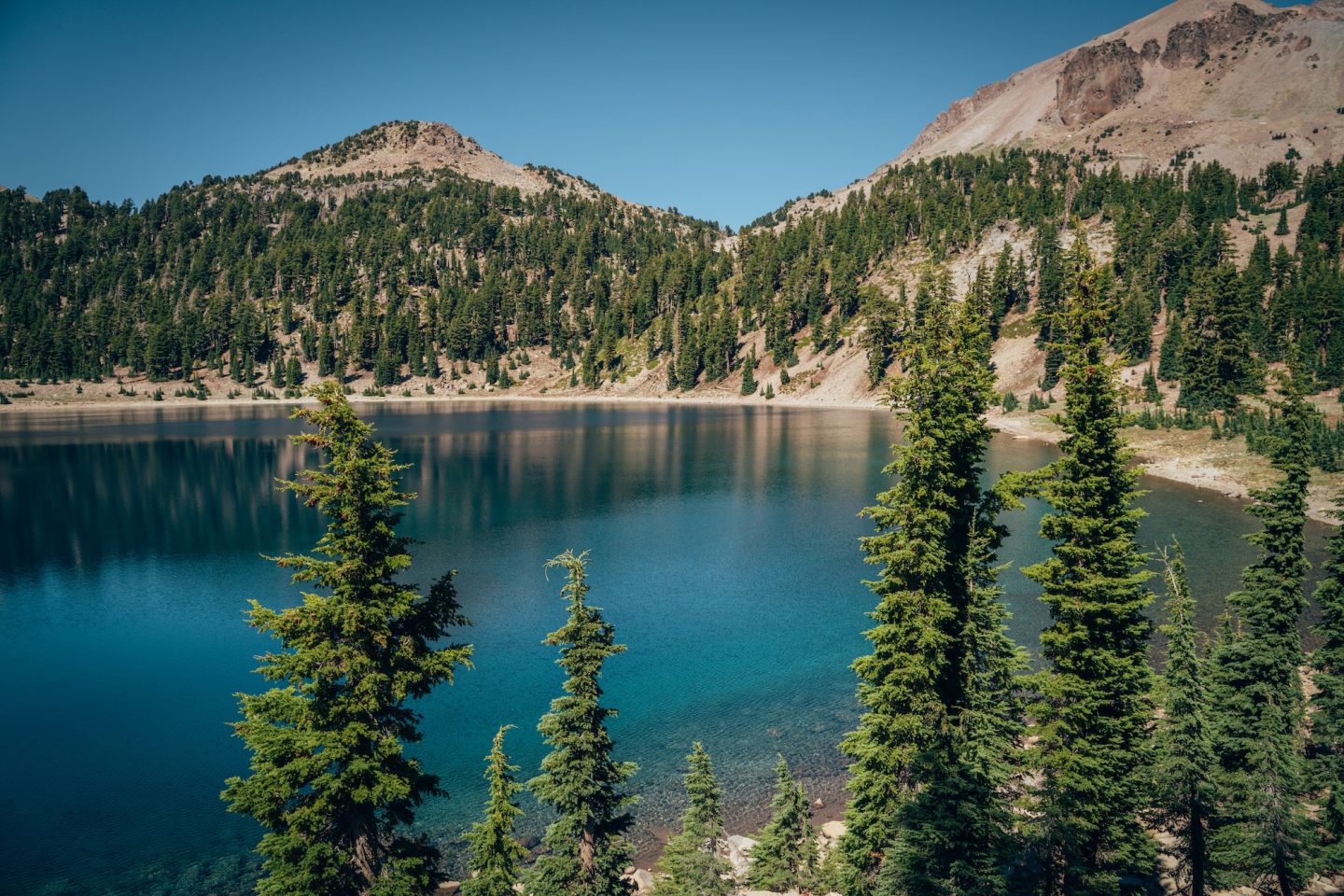
The lake is easily viewed from the scenic drive along the park highway, making it one of the most accessible and photogenic stops in Lassen. Visitors can admire it from roadside pullouts or pair it with a hike up Lassen Peak for an unforgettable perspective. Whether blanketed in snow or glowing bright blue under the summer sun, Lake Helen is a breathtaking reminder of the park’s high-elevation landscapes and volcanic history.
EMERALD LAKE
Emerald Lake is a small but beautiful alpine lake tucked along the main park highway in Lassen Volcanic National Park, just below Lake Helen. True to its name, the lake often shimmers with a deep green hue, created by the clarity of the water and the reflection of the surrounding evergreens. At over 8,000 feet in elevation, it shares the same high-country setting as its neighbor, offering crisp mountain air and sweeping views of nearby peaks.
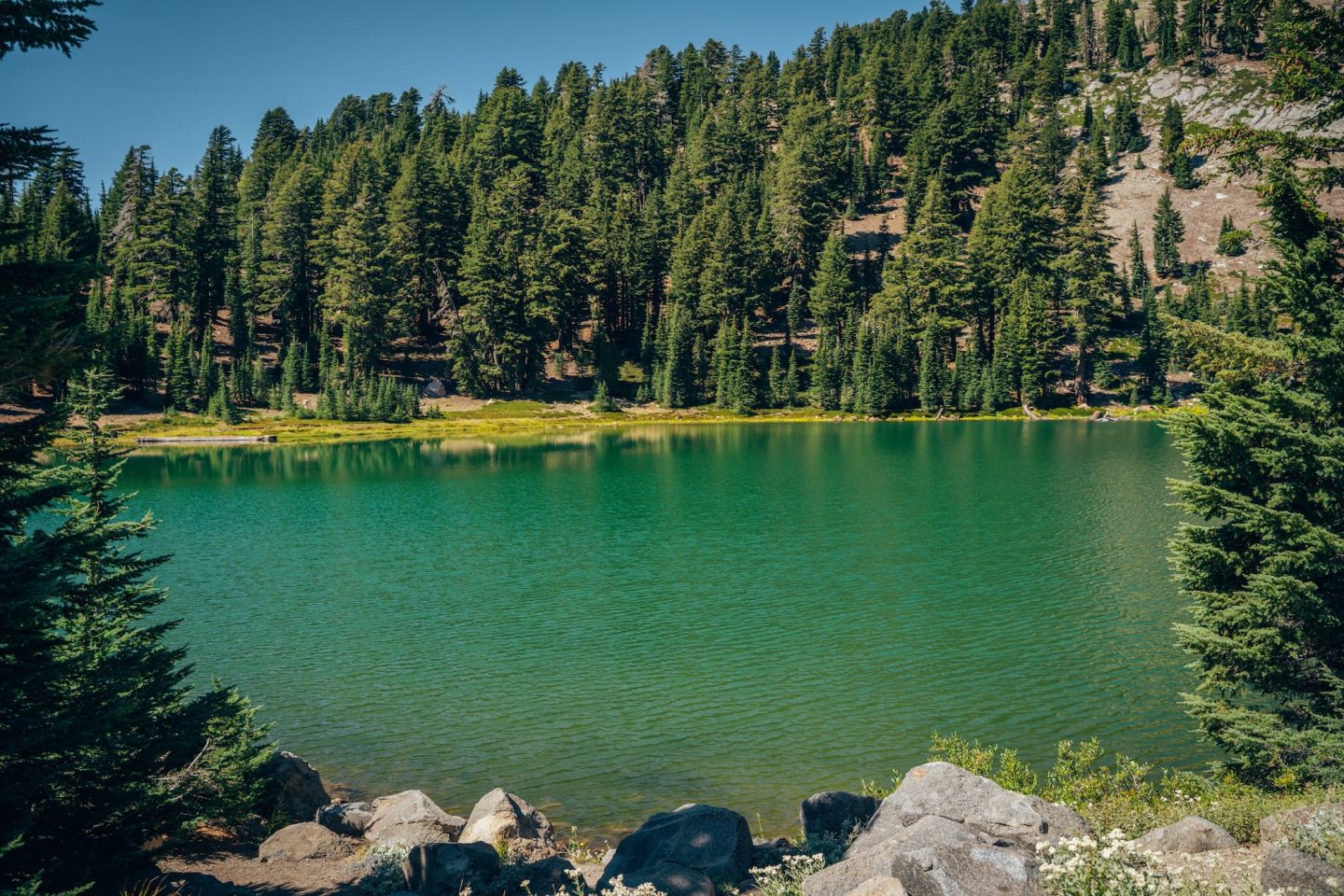
Because of its roadside location, Emerald Lake is one of the easiest lakes in the park to visit—perfect for a quick stop to stretch your legs, snap photos, or enjoy the quiet scenery. While swimming is technically allowed, the water is frigid year-round, making it best for admiring from shore. With its vivid color and peaceful setting, Emerald Lake is a must-see highlight on the park’s scenic drive and a reminder of Lassen’s alpine beauty.
LASSEN PEAK TRAIL
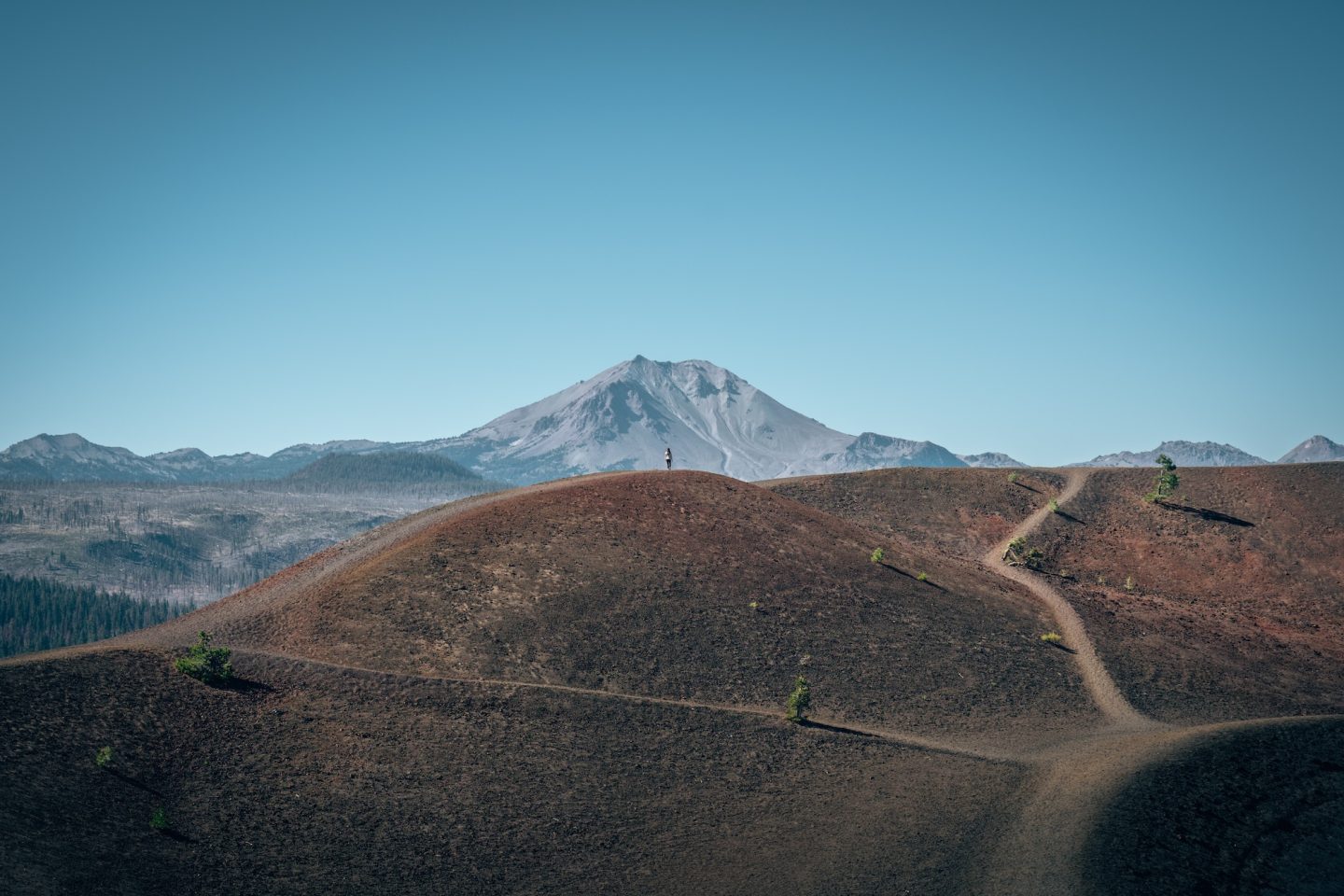
The other volcano that you can hike in the park is Lassen Peak, and is also incredibly challenging. It is a 5.1mi / 8.2km out and back hike with an elevation incline of 2,000ft / 600m. Yikes! But if you’re looking to go home with a story of saying you hiked a volcano, this is one way to do it!
- DIFFICULTY – Hard
- LENGTH – 5.1mi / 8.2km
- PET FRIENDLY – No
MANZANITA LAKE
The Manzanita Lake Trail is one of the most popular hikes in Lassen Volcanic National Park, offering an easy and rewarding loop around the lake’s shoreline. At just about 1.5 miles long with minimal elevation gain, it’s accessible for nearly all ages and skill levels. Along the way, hikers enjoy stunning reflections of Lassen Peak on calm days, views of Chaos Crags, and plenty of opportunities to spot wildlife such as ducks, geese, and the occasional deer.
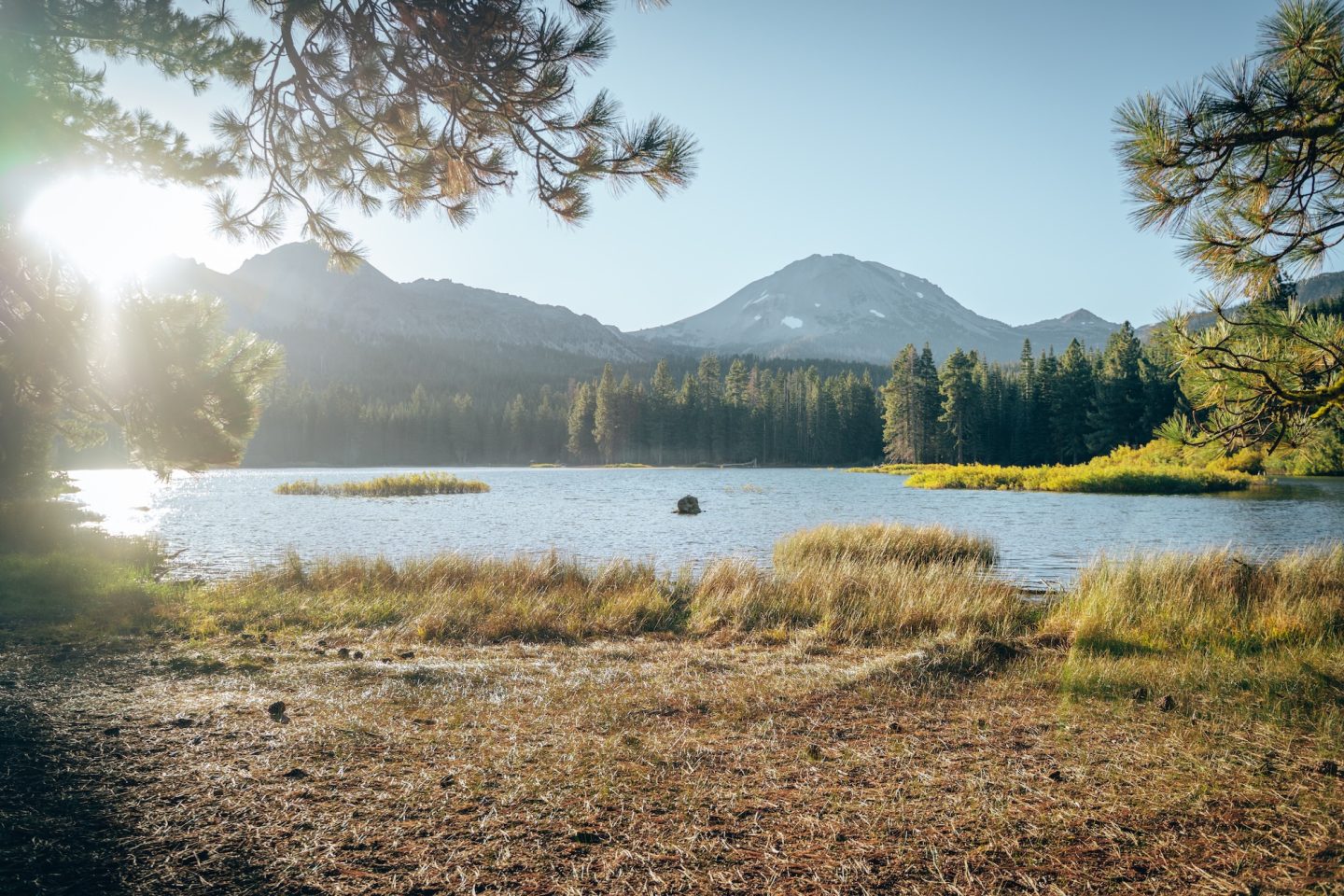
The trail is well-maintained and begins near the Manzanita Lake Visitor Center, making it a convenient outing for both day-trippers and campers. Because of its flat terrain, it’s a perfect choice for families or anyone looking for a relaxing stroll paired with iconic Lassen views. Whether you’re catching sunrise over the lake, photographing the mirrored peak in the afternoon, or enjoying a quiet evening walk, the Manzanita Lake Trail captures the park’s beauty in a simple, unforgettable way.
- DIFFICULTY – Easy
- LENGTH – 1.9mi / 3.1km
- PET FRIENDLY – No
ALTERNATIVE HIKES TO DO IN LASSEN VOLCANIC NATIONAL PARK
OTHER THINGS TO DO IN LASSEN VOLCANIC NATIONAL PARK
DRIVE THE SCENIC HIGHWAY
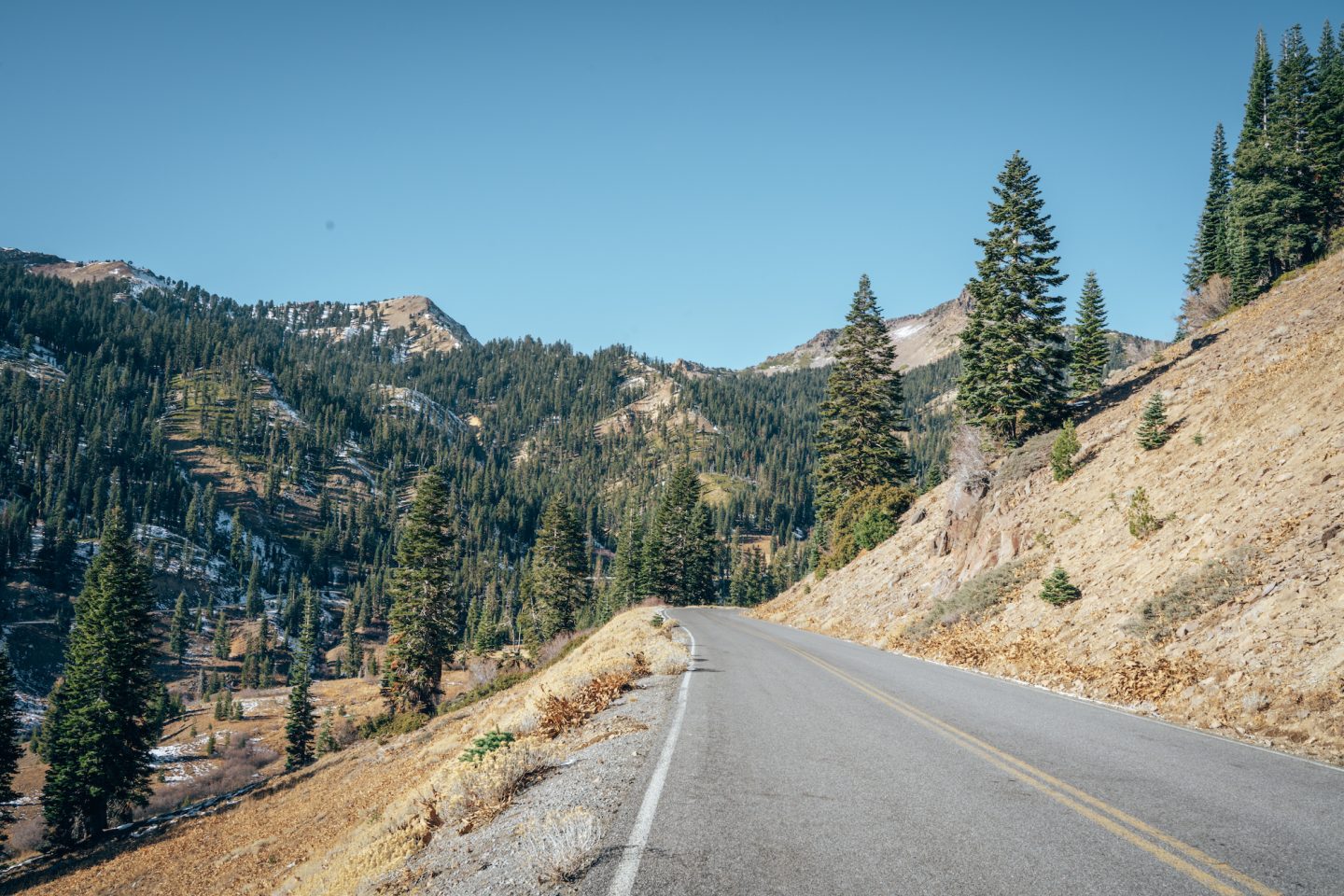
Driving through the entire park will require visiting during non-winter months, but it is the best way to truly see and experience the entire park. There are tons of pullouts, vista points and overlooks, lakes and so much more right off the main park highway. And at 30mi / 48km long, it can easily be a full-day experience depending on how much you decide to pull over for.
ASTROPHOTOGRAPHY
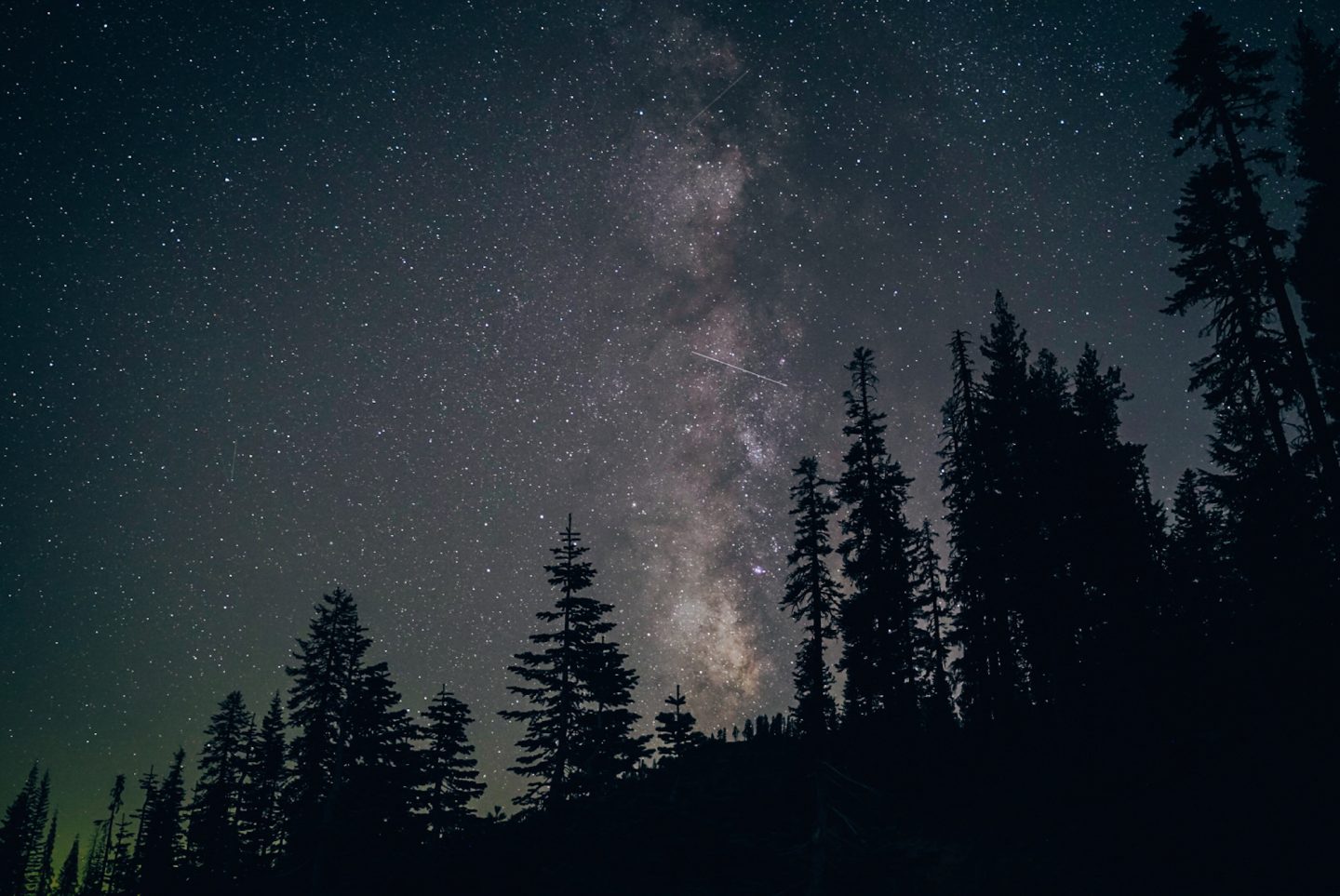
If you own a DSLR or mirrorless camera, then Lassen National Park is a playground for astrophotography. While it isn’t currently a designation Dark Sky Park, they are working through the process to become one! But because there aren’t any major cities nearby, the night skies absolutely light up with not only stars, but the Milky Way also! You can literally see it with your eyes. But put your camera on a tripod, and set a long exposure, and you’ll get some incredible night sky photos!
And if you aren’t familiar with photographing with a DSLR or mirrorless camera, check out our Beginners Guide!
PLACES TO STAY IN LASSEN NATIONAL PARK
Lassen Volcanic National Park offers a variety of accommodations, including campgrounds, rustic cabins, and nearby lodges, catering to diverse preferences. Visitors can enjoy immersive outdoor stays surrounded by nature or opt for comfort in nearby towns with additional amenities. Choices range from basic tent camping to more developed options featuring utilities, perfect for families, solo adventurers, or groups. Many accommodations provide easy access to park attractions, making them convenient bases for hiking, wildlife viewing, and exploring geothermal wonders. Whether seeking solitude under the stars or modern conveniences, options abound to suit every traveler’s style.
HOTELS IN LASSEN VOLCANIC NATIONAL PARK
Unfortunately, the park itself does not offer any hotel or lodging options within the park boundaries. The closest option to a hotel type stay, is the Drakesbad Guest Ranch. There are a number of other lodging options outside of the park, as well as camping options inside the park, which we’ll tackle next!
CAMPING IN LASSEN NATIONAL PARK
Camping in Lassen Volcanic National Park includes a variety of options, from developed sites to backcountry adventures. Campgrounds such as Manzanita Lake, Summit Lake North and South and Butte Lake offer diverse amenities. We’ve stayed at each of these campgrounds, and they are quite different from one another, so let’s get in to them.
MANZANITA LAKE CAMPING
Manzanita Lake Campground is the largest and most popular campground in Lassen Volcanic National Park, located near the northwest entrance. Its prime setting along the shores of Manzanita Lake makes it a favorite spot for families, anglers, and photographers who want easy access to the lake’s scenic views of Lassen Peak. The campground’s location also provides convenient access to the Loomis Museum, the Manzanita Lake Visitor Center, and several nearby trails, making it an ideal basecamp for exploring the park’s highlights.
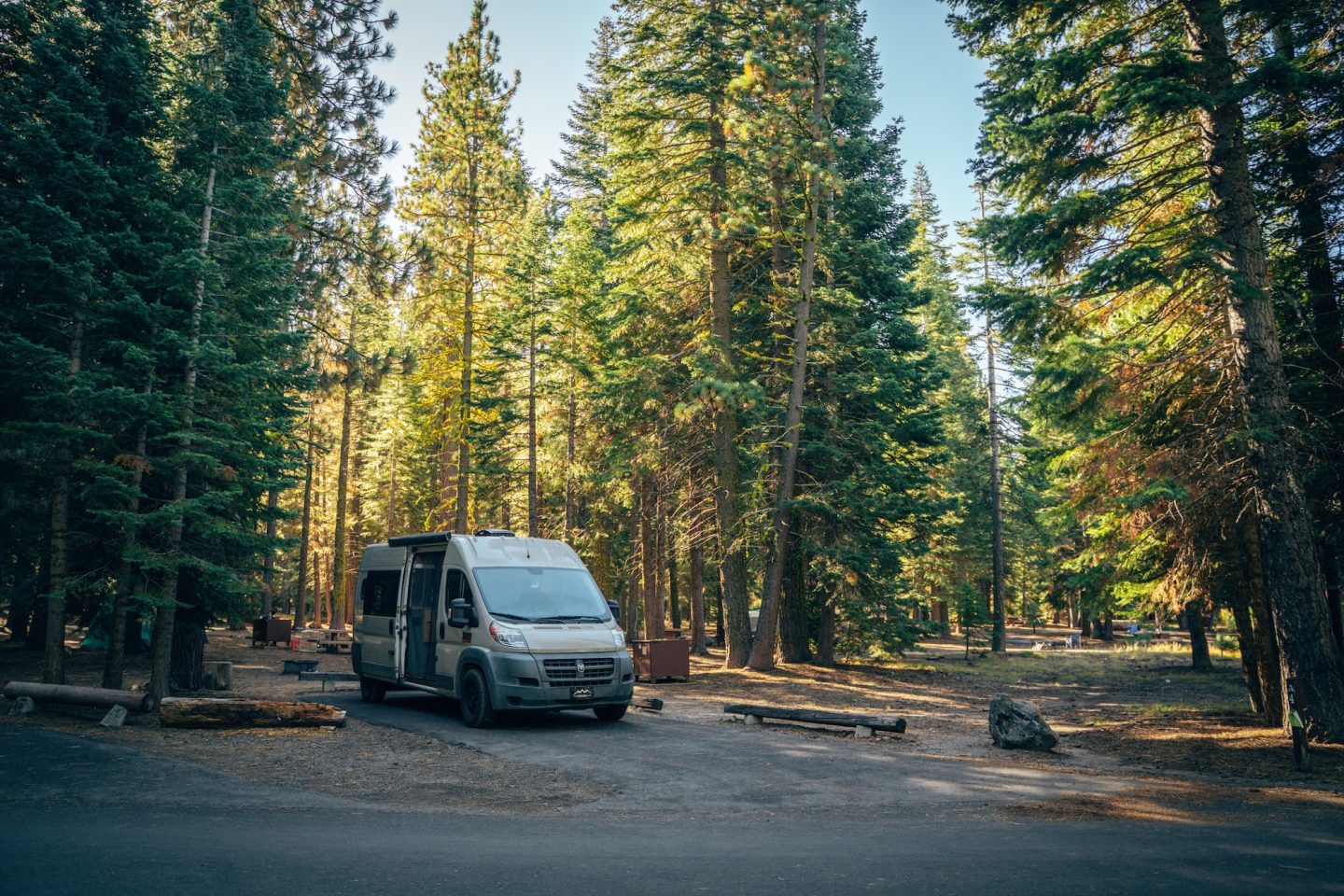
The campground offers a wide range of amenities to suit different styles of camping. Visitors can choose from tent sites, standard campsites, group sites, and even rustic camping cabins. While there are no RV hookups, the campground does have a dump station and potable water available. Each site includes a picnic table, fire ring, and food storage locker, and flush toilets and coin-operated showers are located throughout the grounds. With a mix of comfort and natural beauty, Manzanita Lake Campground provides one of the most well-rounded camping experiences in the park.
Of the three main campgrounds in the park, this is by far our favorite.
SUMMIT LAKE CAMPGROUND
The Summit Lake Campgrounds sit at the heart of Lassen Volcanic National Park, offering a peaceful retreat with easy access to trails and attractions. The campgrounds are split into two sections—Summit Lake North and Summit Lake South—both situated along the shores of Summit Lake, with incredible views of Lassen Peak. This central location makes them a great basecamp for hikers looking to explore iconic trails like Lassen Peak or Bumpass Hell while still enjoying a quiet lakeside setting.
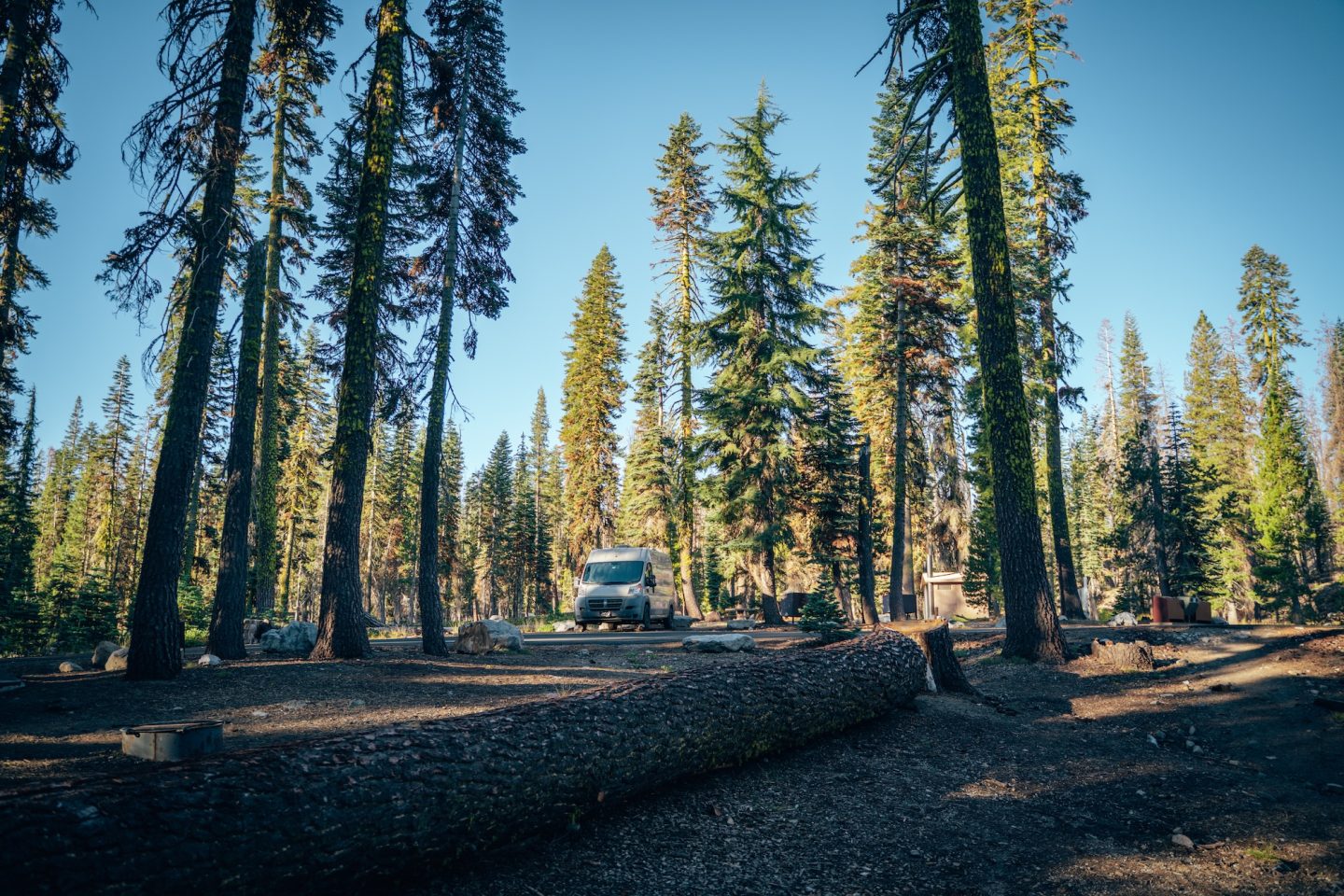
Both campgrounds provide a traditional camping experience with amenities to support tent campers and smaller RVs. Each site includes a picnic table, fire ring, and food storage locker, with access to seasonal potable water and restrooms nearby. However, there are no RV hookups, dump stations or showers, so campers should plan accordingly. Swimming in Summit Lake is popular during the summer, and the campground’s elevation makes it cooler than lower areas of the park, perfect for warm days. With its blend of natural beauty and central convenience, Summit Lake is one of the park’s most sought-after camping areas.
One note on these campgrounds: if you are traveling in an RV or camper, many of the sites are small or on large slants. So do your research on the specific sites before reserving.
BUTTE LAKE CAMPGROUND
The Butte Lake Campground is tucked away in the remote northeast corner of Lassen Volcanic National Park, offering a more rugged and secluded camping experience. Surrounded by forest and lava flows, the campground sits along the shores of Butte Lake, making it a popular spot for kayaking, canoeing, and fishing. Its location also provides direct access to the Cinder Cone Trail, one of the park’s most unique hikes, leading to dramatic volcanic landscapes and views over the Painted Dunes.
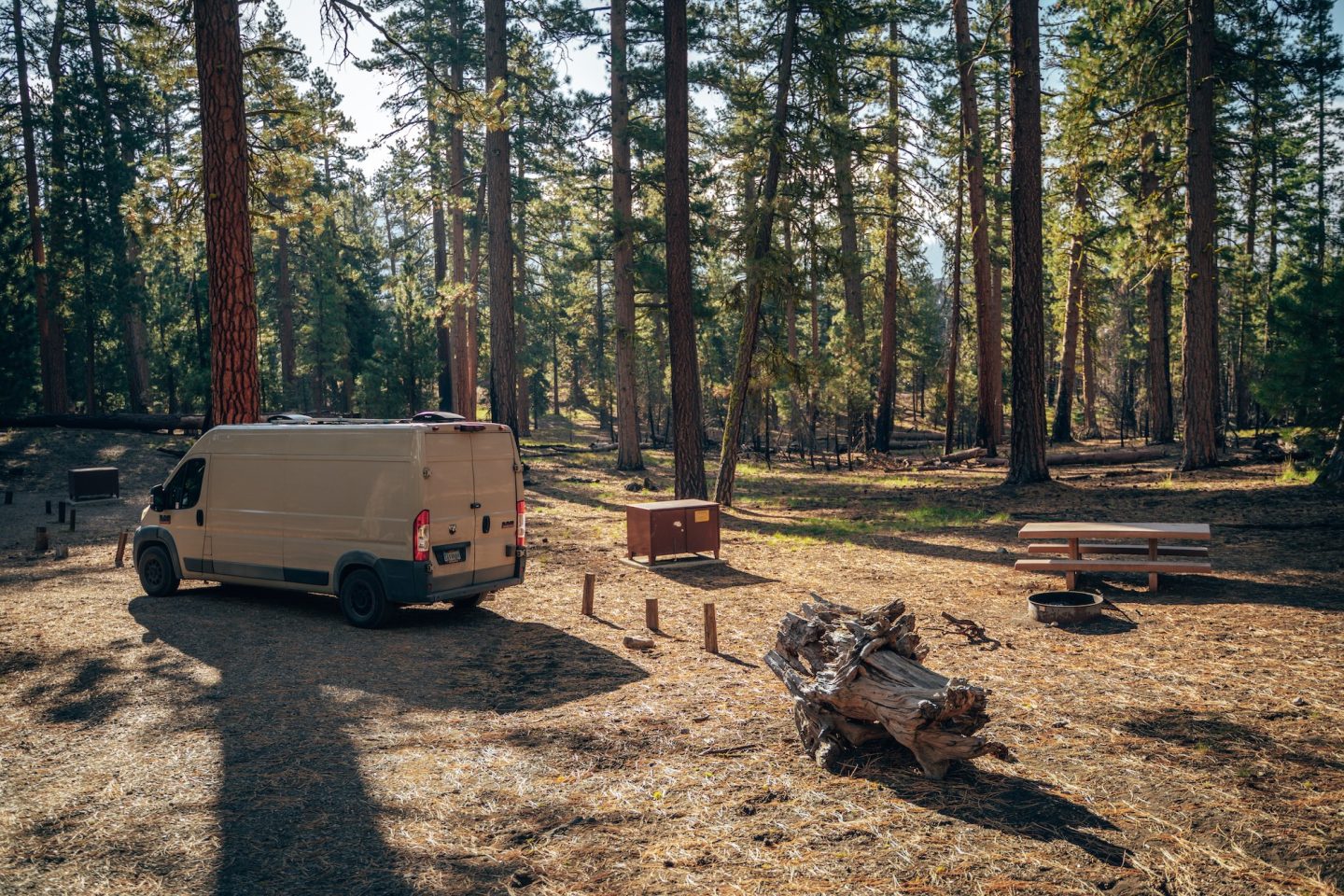
The campground has a more rustic feel compared to others in the park, with fewer amenities but plenty of natural beauty. Campsites include picnic tables, fire rings, and food storage lockers, with access to vault toilets and potable water. There are no showers, RV hookups, or dump stations on-site, so campers should come prepared for a more self-sufficient stay. With its quiet setting, starry night skies, and easy access to volcanic wonders, Butte Lake Campground is perfect for those seeking solitude and adventure away from the park’s busier areas.
Of the three main campgrounds in the park, this would be our second favorite (excluding the drive).
DISCLAIMER: This campground is a TREK. To get to this campground (and the Cinder Cone Trail), you’ll turn off of Highway 44 on to a forest service road. This is a 7mi/11.2km hard pack gravel road that is washboard nearly the entire drive. If you are traveling in an SUV or 4×4 vehicle, you’ll likely be fine. But if you are traveling in a RV or camper, this is one of THE WORST drives we’ve ever done. We could not drive faster than 10mph due to the bumps and vibration. So plan accordingly.
FOR VANLIFERS
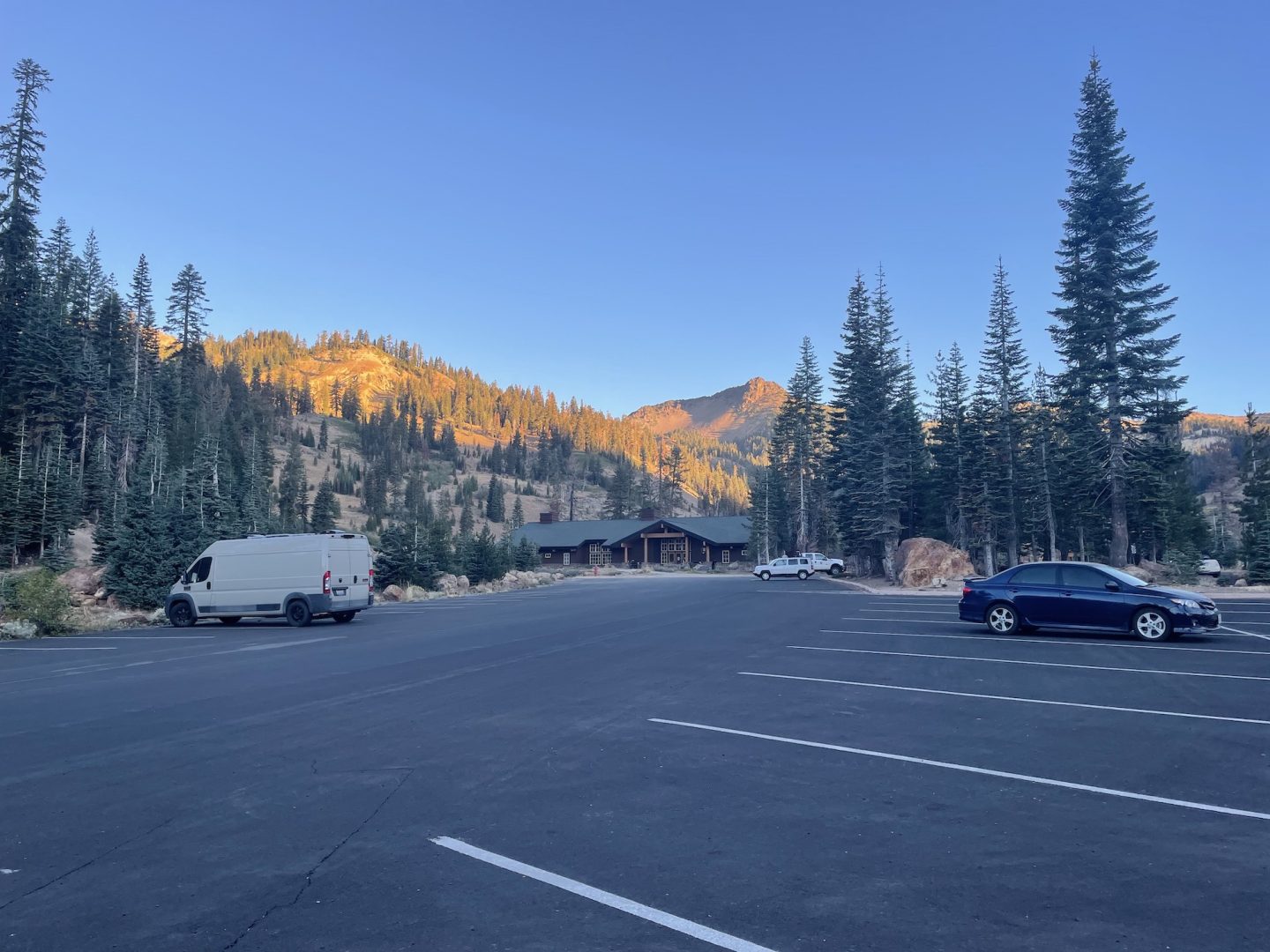
If you are a vanlifer like us, and looking for a place to stay in or around the park, then we have some amazing news. Lassen allows visitors to park and sleep overnight in their vehicles at the Kohm Yah-mah-nee Visitor Center for $10 per night! There are restrooms available, and free wifi inside the visitor center. The parking lot is huge and incredibly quiet. We stayed here 1 night and were 1 of close to 10 vehicles that parked there overnight. Now this is obviously subject to change at any time, so we’d recommend double checking with the park staff before attempting. You can also check apps like iOverlander for recent reviews from other nomads.
PLACES TO STAY NEAR LASSEN NATIONAL PARK
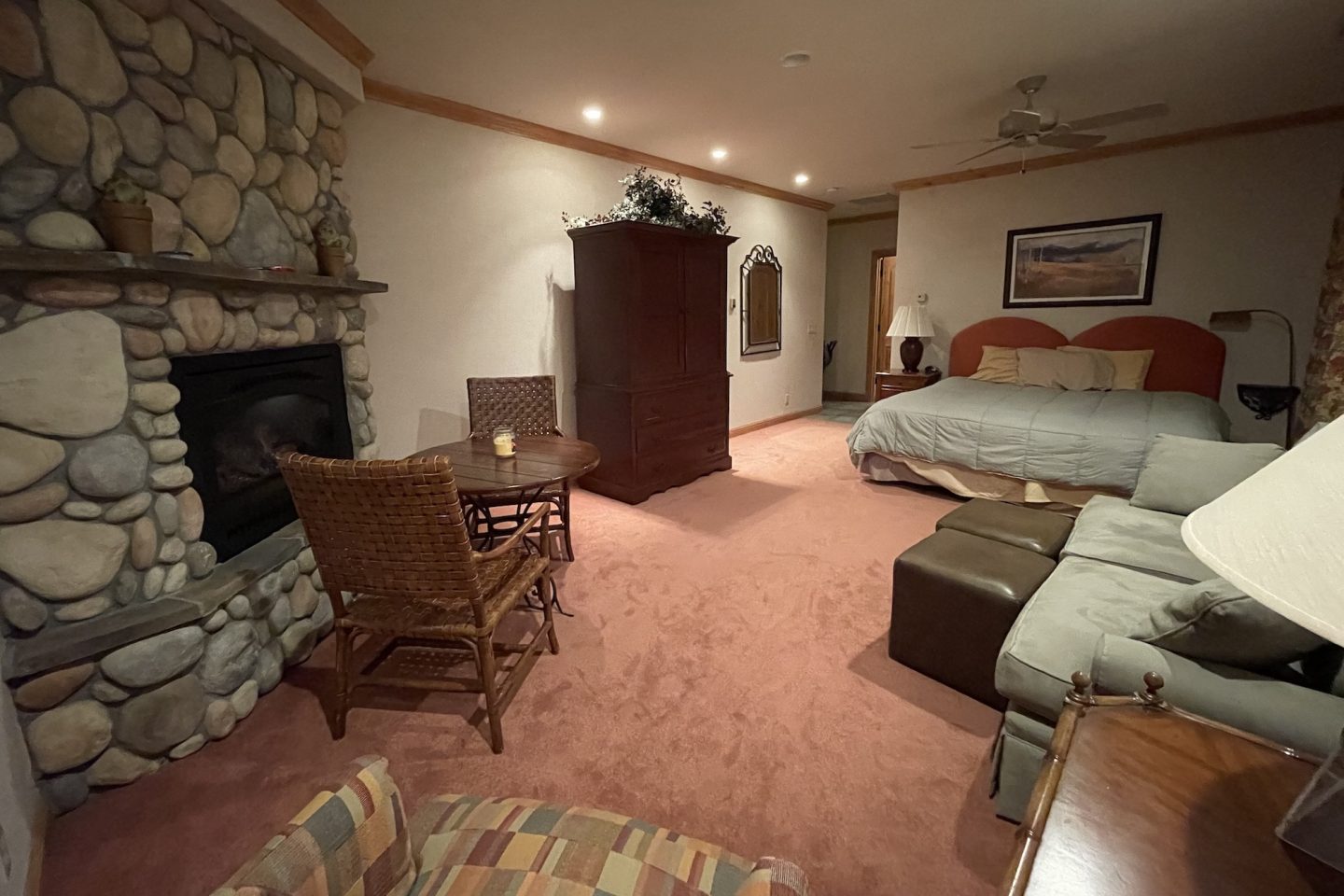
Just outside Lassen Volcanic National Park, visitors can find a range of hotels and lodges offering comfort and convenience. Highlands Ranch Resort in Mill Creek stands out for its charming cottages, farm-to-table dining, and tranquil mountain views. In Chester, Best Western Rose Quartz Inn provides modern amenities and a central location for exploring the park and nearby Lake Almanor. The Village at Childs Meadow offers rustic cabins and motel rooms with on-site dining and easy access to the park’s southwest entrance. These accommodations blend comfort with proximity, making them ideal bases for exploring Lassen’s geothermal wonders and hiking trails.
BEST TIME TO VISIT LASSEN VOLCANIC NATIONAL PARK
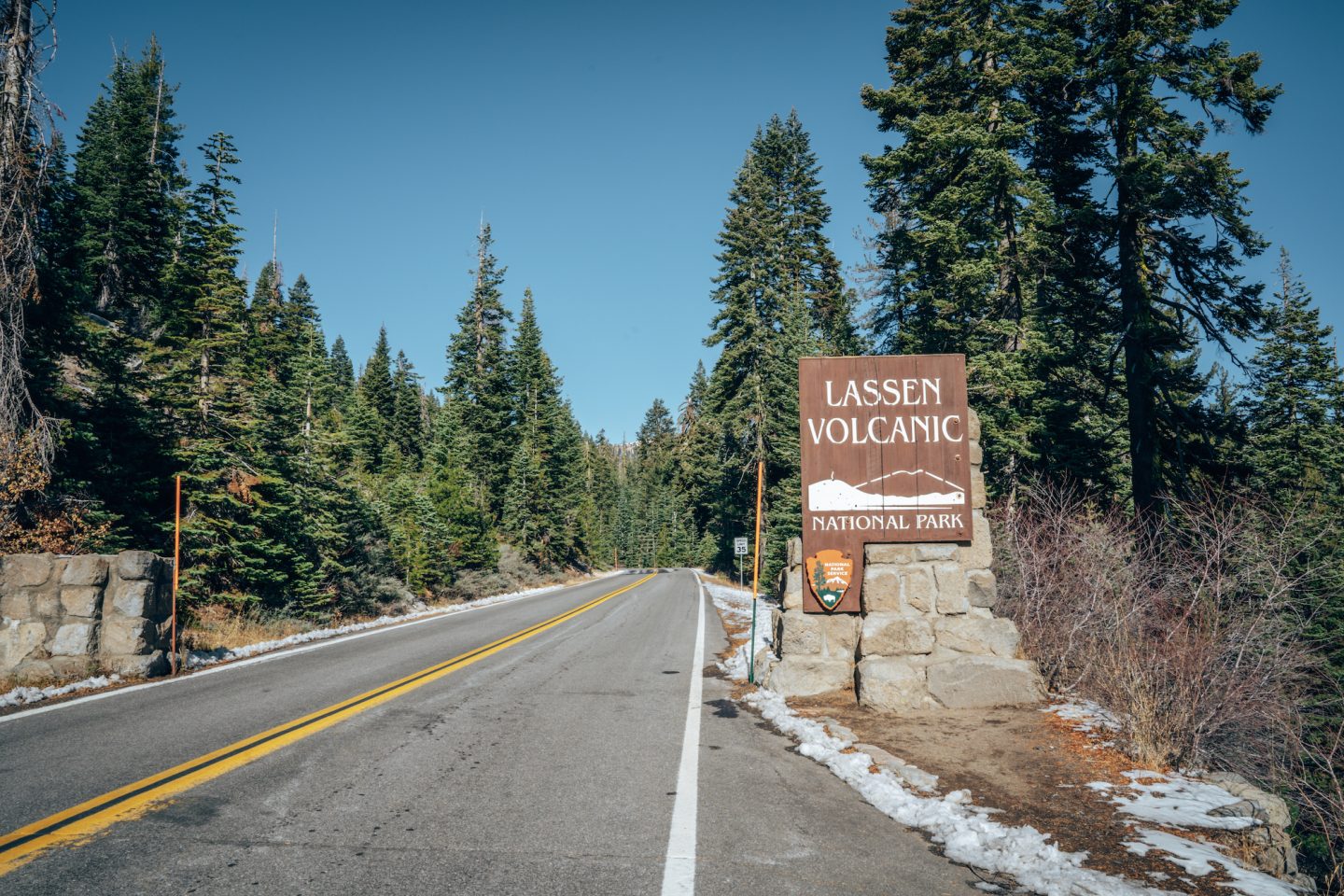
One of the major benefits of being so remote, is that you don’t have to worry as much about large crowds of people. This applies to lines of vehicles trying to get in, parking lot space, campground availability, and the hiking trails! That being said, there are seasonalities to the park. During the winter, Lassen can receive up to 30ft / 9m of snow. And as a result, much of the scenic highway that runs through the park, closes for the winter, which ultimately removes the ability to do any of the activities we noted above, with the exception of Sulphur Works which is open and accessible year-round.
Our recommendation would be to visit in the late spring between late May and June depending on when the road reopens, or fall between August and October.
SEASONS
SPRING
- Avg Low temps: 20ºF / 7ºC
- Avg High temps: 66ºF / 16ºC
SUMMER
- Avg Low temps: 37ºF / 3ºC
- Avg High temps: 82ºF / 28ºC
FALL
- Avg Low temps: 35ºF / 2ºC
- Avg High temps: 75ºF / 24ºC
WINTER
- Avg Low temps: 15ºF / -9ºC
- Avg High temps: 50ºF / 10ºC
HOW MUCH TIME IS NEEDED
How much time you need to plan for in a place, is one of the most important questions to answer when planning a trip. Luckily in this case, this national park is not massive, making it relatively easy to cover a lot of ground in a smaller amount of time. Based on our visits and experience, we feel 2-3 days (think weekend getaway) is a perfect amount of time to cover most or all of the activities we mentioned above. If you are looking to make a longer trip out of it, you could either spread out the activities, maybe rent one of the cabins or an Airbnb, and have an easy-going week.
If you are more keen to making a longer trip out of it, we’d recommend venturing further out and doing some activities in the surrounding areas of the park like Burney Falls or Mount Shasta.
OTHER THINGS TO CONSIDER
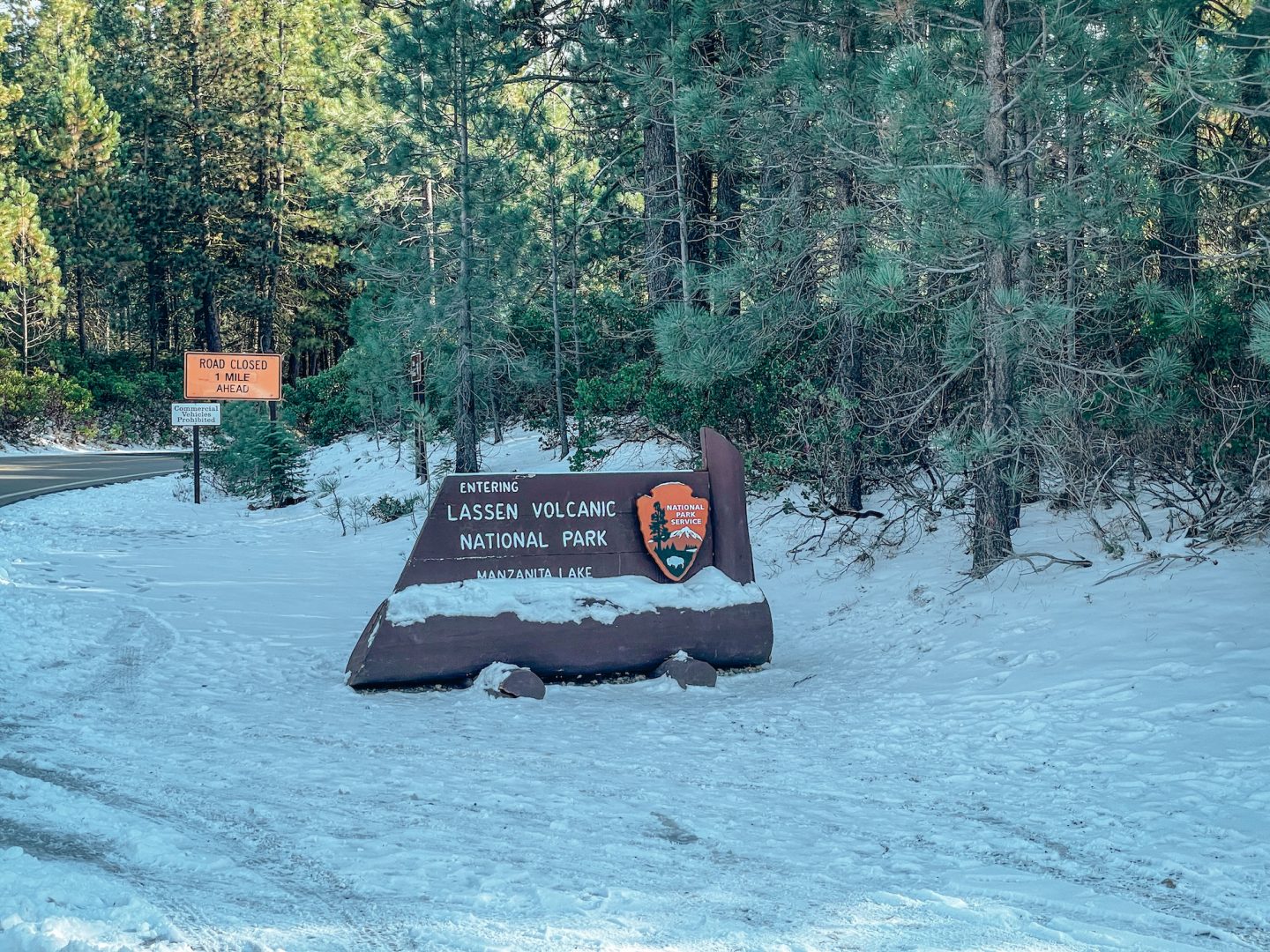
The main things to consider with this park, are really the climate & weather, and lodging. As you can see above, the temperatures can get very hot during the day in summer, and very low overnight, making non-lodging camping tough. And with the amount of snow Lassen gets during the winter, you’ll probably want to avoid coming during the winter months. Aside from this, Lassen Volcanic National Parks in California is one of the easier parks to visit in our minds.
MAP OF CALIFORNIA
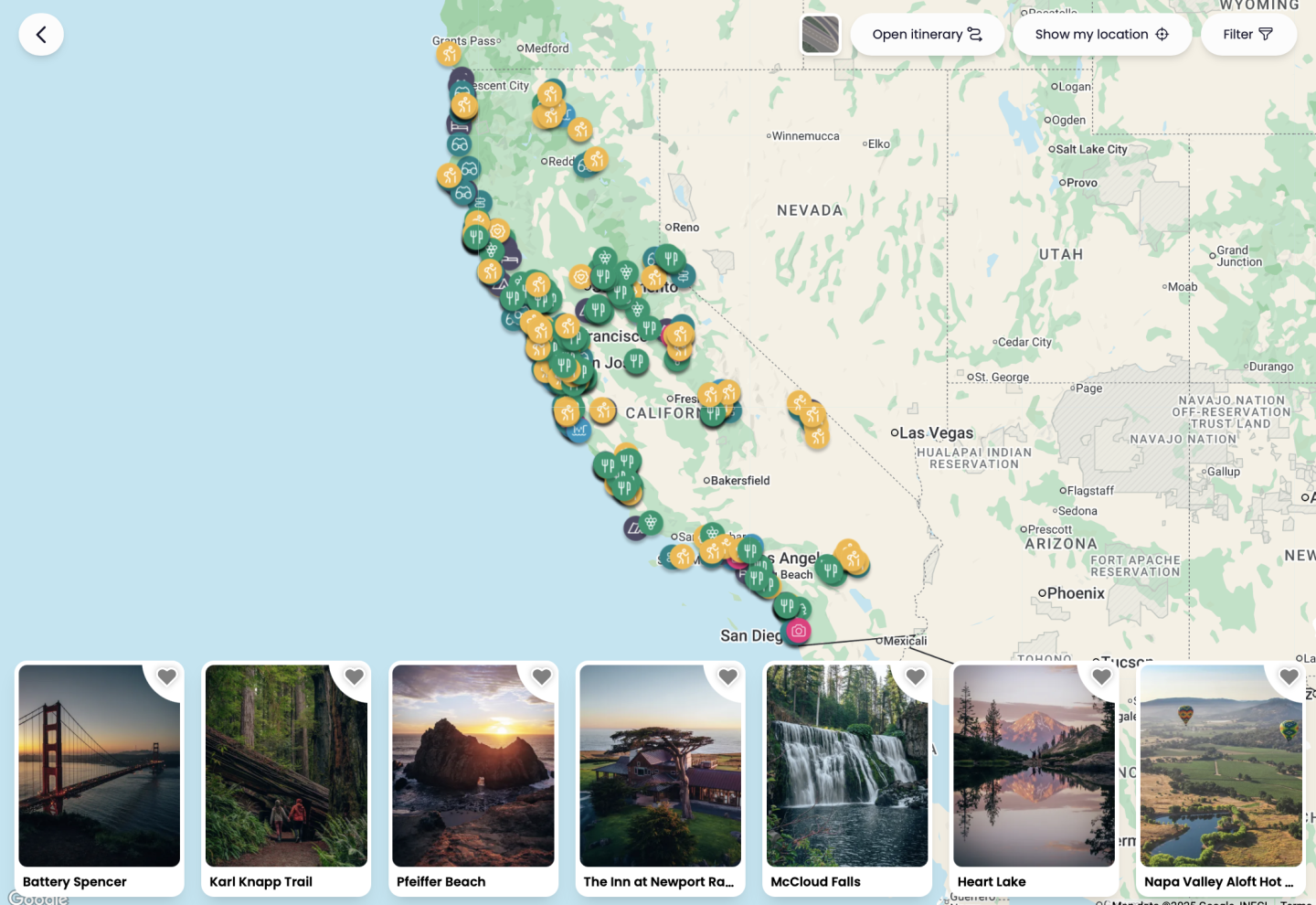
Want to see all of the different things to do in Lassen Volcanic National Park? If so, this map is for you. Not only does our bucket list map and guide to California have ALL the details and location info for the locations and activities in this article, but it also has over 600 other points of interest in California in it. With all of the location specific details and information like GPS location, dog-friendliness, cost, and more, as well as an itinerary creator, this map is the perfect trip planning companion.
ULTIMATE GUIDE TO LASSEN VOLCANIC NATIONAL PARK
Lassen Volcanic National Park is a captivating destination offering diverse landscapes, unique geothermal features, and endless opportunities for adventure. Whether you’re hiking through volcanic terrain, marveling at bubbling mud pots, or stargazing under pristine skies, the park promises unforgettable experiences for all visitors. With a variety of lodging, camping, and nearby accommodations, you can tailor your trip to suit your style and comfort. No matter how you choose to explore, Lassen’s raw beauty and serene wilderness will leave you inspired. Start planning your journey today, and let Lassen’s natural wonders ignite your sense of adventure!
And if you’re looking for some other Northern California or National Park inspiration, check out some of our other California and National Park articles:
- HOW TO HIKE THE HEART LAKE TRAIL IN MOUNT SHASTA
- WATERFALLS IN CALIFORNIA YOU MUST VISIT
- 20 OF THE BEST FREE THINGS TO DO IN CALIFORNIA
- 12 TOWNS TO VISIT ON THE CALIFORNIA COAST
- 9 WAYS TO VIEW GOLDEN GATE BRIDGE
- 10 NATIONAL PARKS IN THE U.S. YOU PROBABLY DIDN’T KNOW EXISTED
Let us know what you thought of this, and if you plan on making a trip to Lassen Volcanic National Park in the near future, down below in our comments!
Thanks for stopping by! – Ryan & Katy
