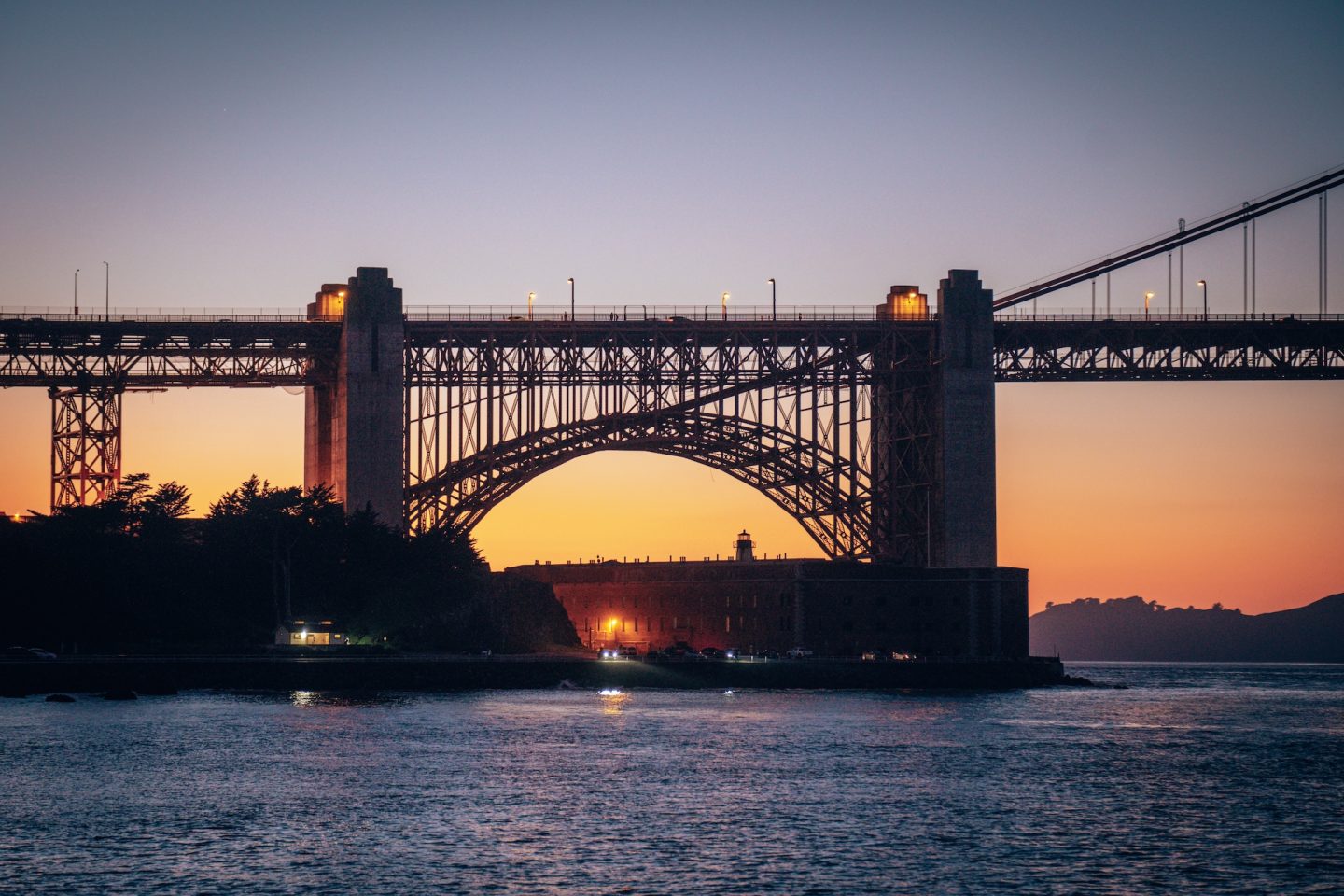
Sitting directly beneath the Golden Gate Bridge at the edge of the bay, Fort Point National Historic Site is one of San Francisco’s most unique historic landmarks. Built in the 1800s, the brick fort offers sweeping views, massive archways, and a surprisingly immersive look at the city’s military past. While it’s worth visiting during the day, going on a guided lantern tour adds an entirely different layer to the experience. Visitors get to explore the fort after hours in a way that feels more intimate and atmospheric. This guide covers what to know and how to plan ahead if you’re considering the lantern tour.
- WHERE IS FORT POINT NATIONAL HISTORIC SITE
- HISTORY OF FORT POINT NATIONAL HISTORIC SITE
- WHAT IS THE LANTERN TOUR?
- WHEN DO THE LANTERN TOURS OPERATE?
- DO YOU NEED RESERVATIONS?
- IS THE TOUR PET-FRIENDLY?
- WEATHER AT FORT POINT NATIONAL HISTORIC SITE
- WHAT TO BRING
- OTHER THINGS TO PLAN FOR
- FORT POINT NATIONAL HISTORIC SITE FAQS
- OTHER THINGS TO DO NEAR FORT POINT NATIONAL HISTORIC SITE
- FORT POINT NATIONAL HISTORIC SITE: LANTERN TOUR
- CALIFORNIA BUCKET LIST MAP
WHERE IS FORT POINT NATIONAL HISTORIC SITE
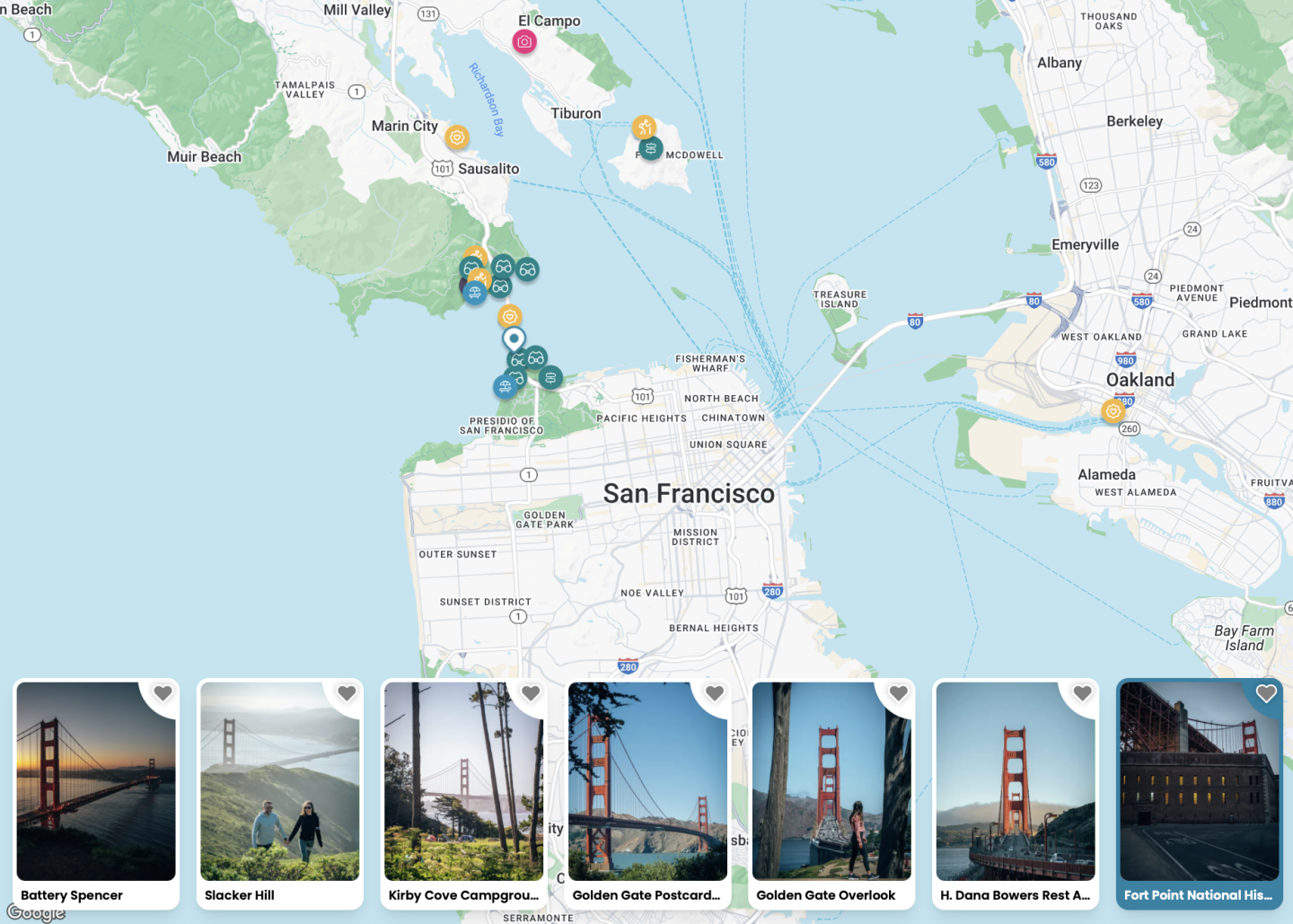
Fort Point National Historic Site sits at the southern end of the Golden Gate Bridge in San Francisco. Tucked beneath the bridge’s massive south anchorage, it feels surprisingly hidden. The site lies at the edge of the Presidio, where San Francisco Bay meets the Pacific Ocean. Waves crash against the rocky shoreline as ships pass through the narrow strait. Despite nearby landmarks, the fort feels quiet and removed, which often surprises first-time visitors.
HISTORY OF FORT POINT NATIONAL HISTORIC SITE
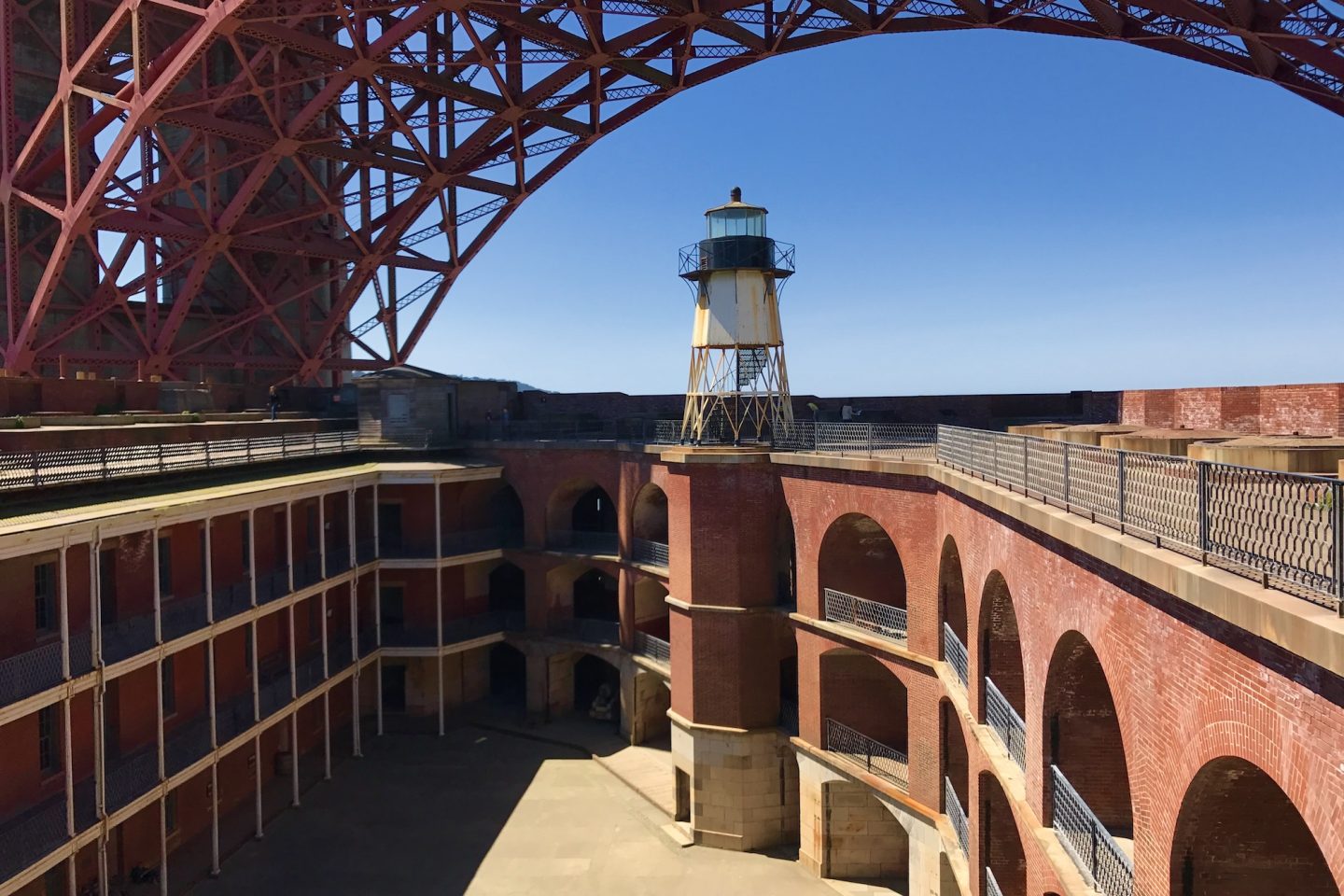
Fort Point’s history is closely tied to San Francisco’s strategic importance during the mid-1800s. Construction began in the 1850s during the Gold Rush, when military leaders feared foreign naval attacks. The fort was part of a larger coastal defense system protecting San Francisco Bay. Its thick brick walls, arched casemates, and multi-level design were advanced for the era. Built to withstand artillery fire, the fort once housed dozens of cannons aimed toward the Golden Gate.
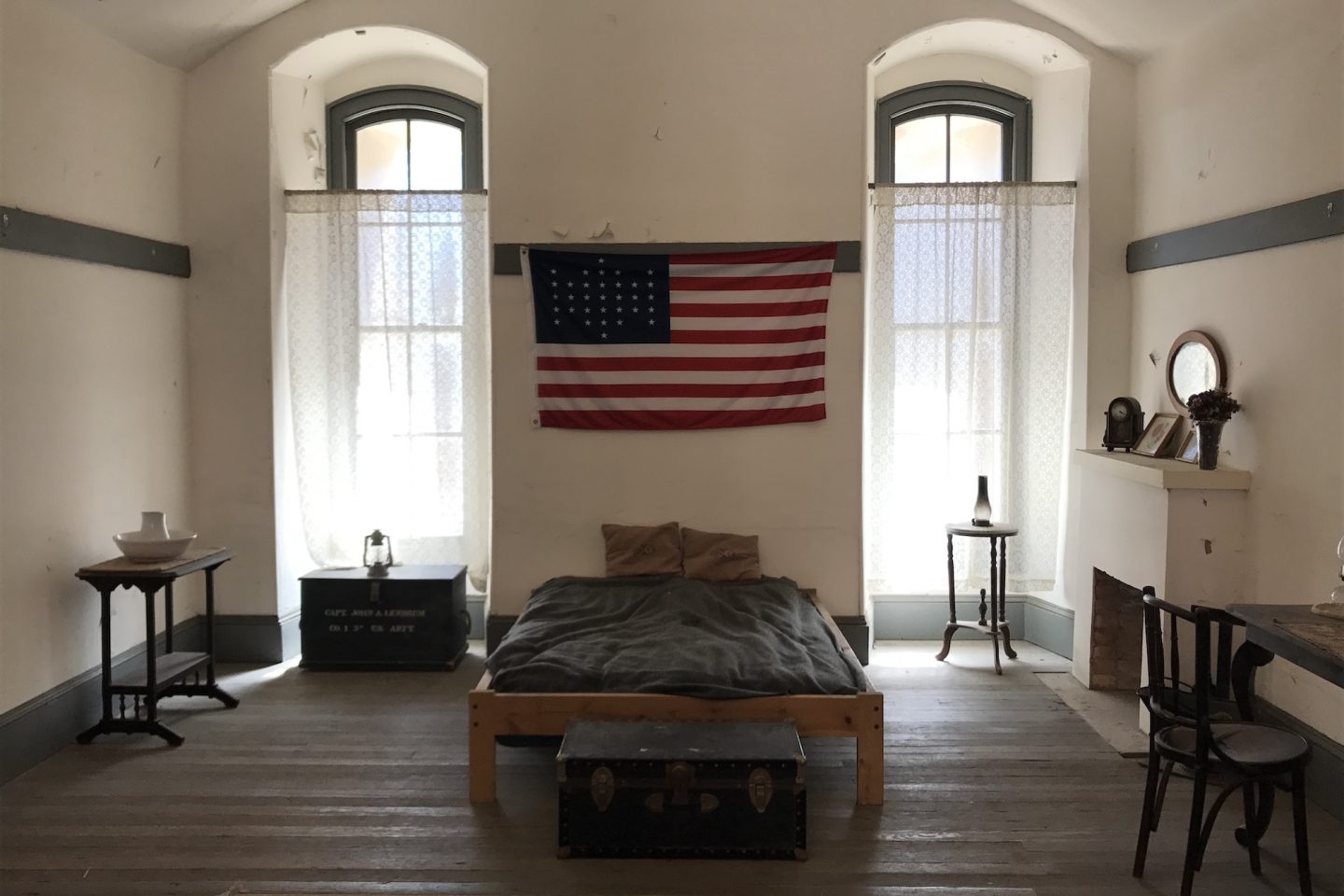
Despite its formidable design, Fort Point never saw combat. By the time construction finished, military technology had already made masonry forts outdated. The fort was nearly demolished during the Golden Gate Bridge project in the 1930s. Instead, engineers preserved it and incorporated it into the bridge’s design. Today, Fort Point remains a rare and well-preserved example of 19th-century military engineering.
WHAT IS THE LANTERN TOUR?
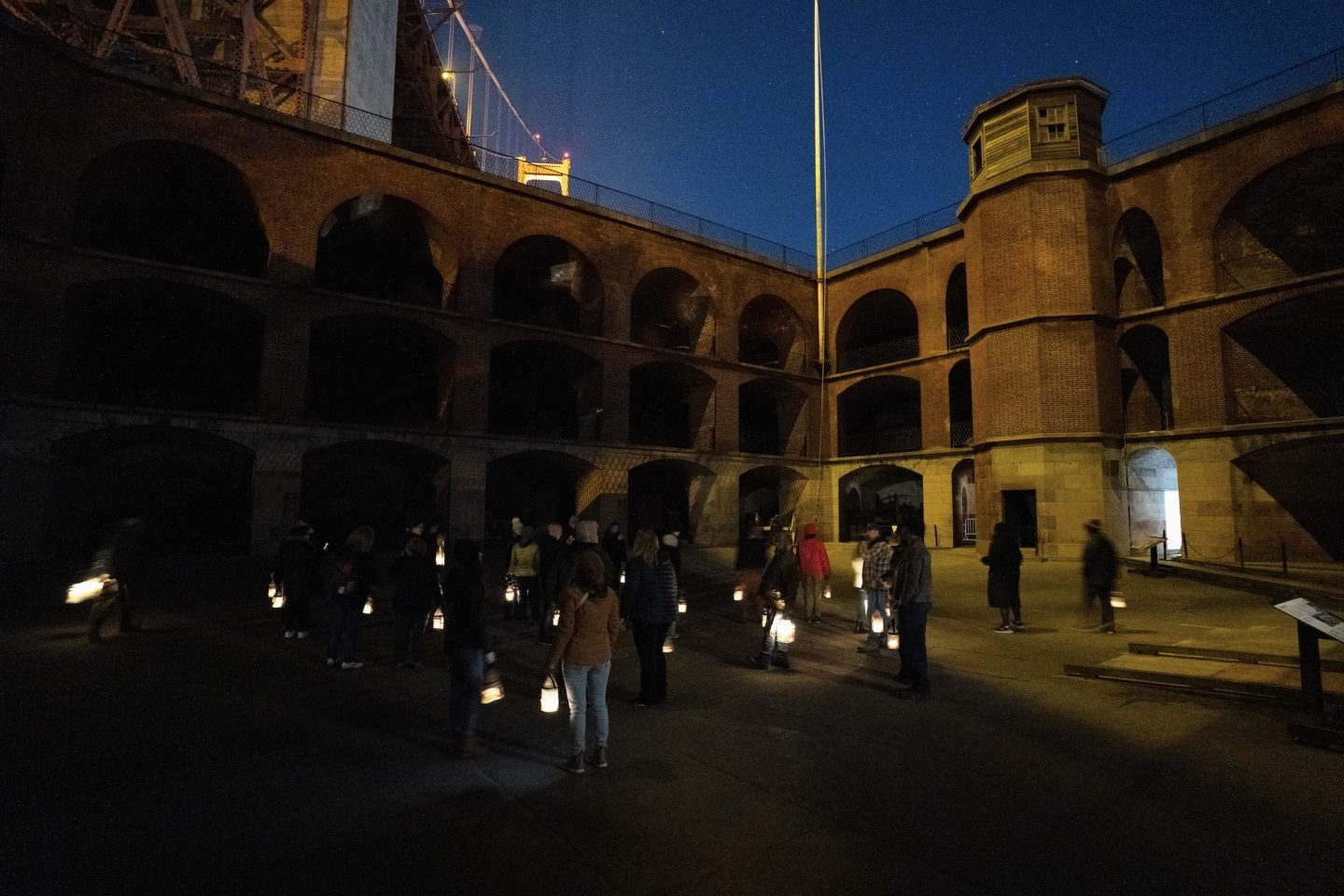
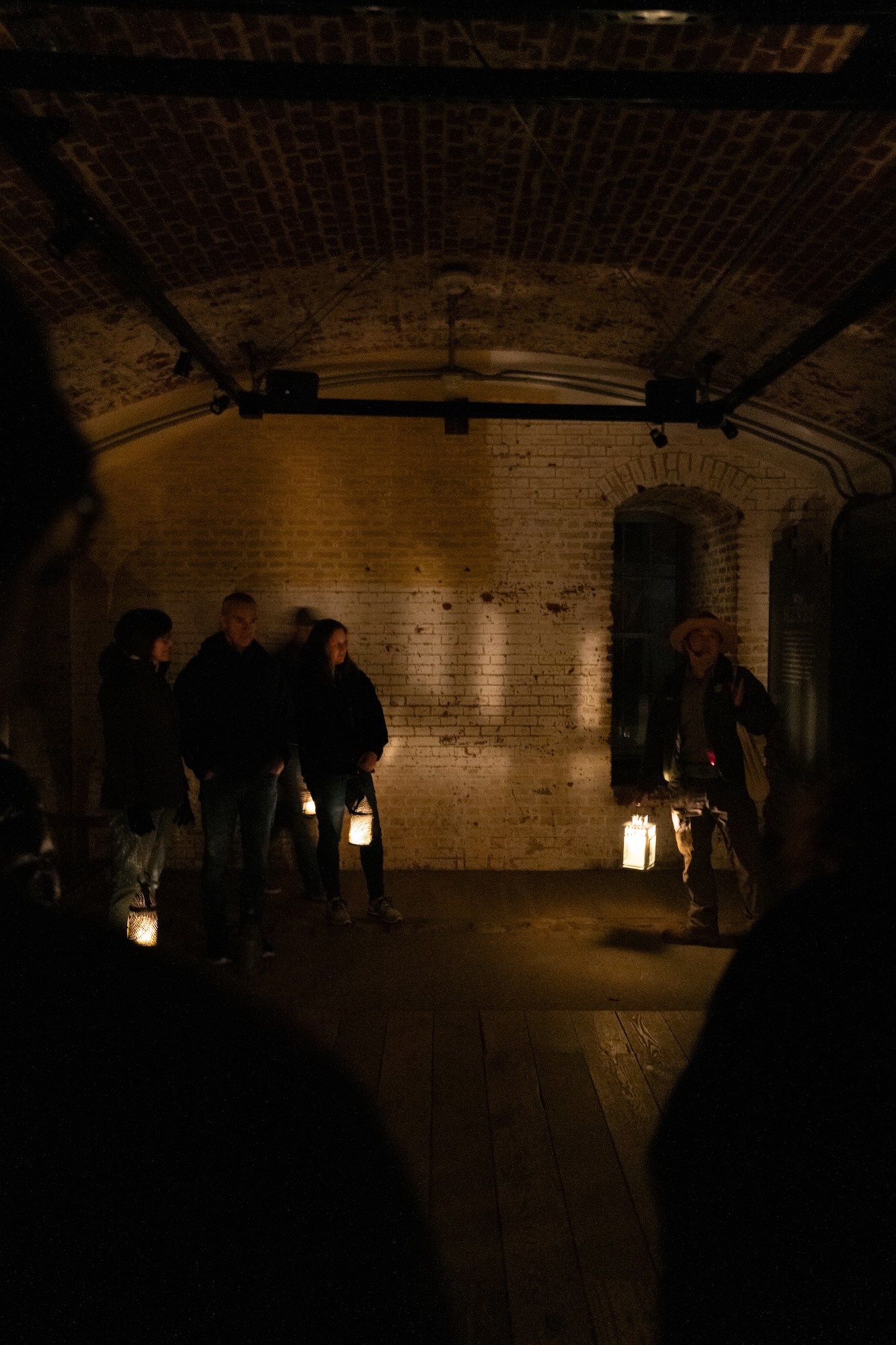
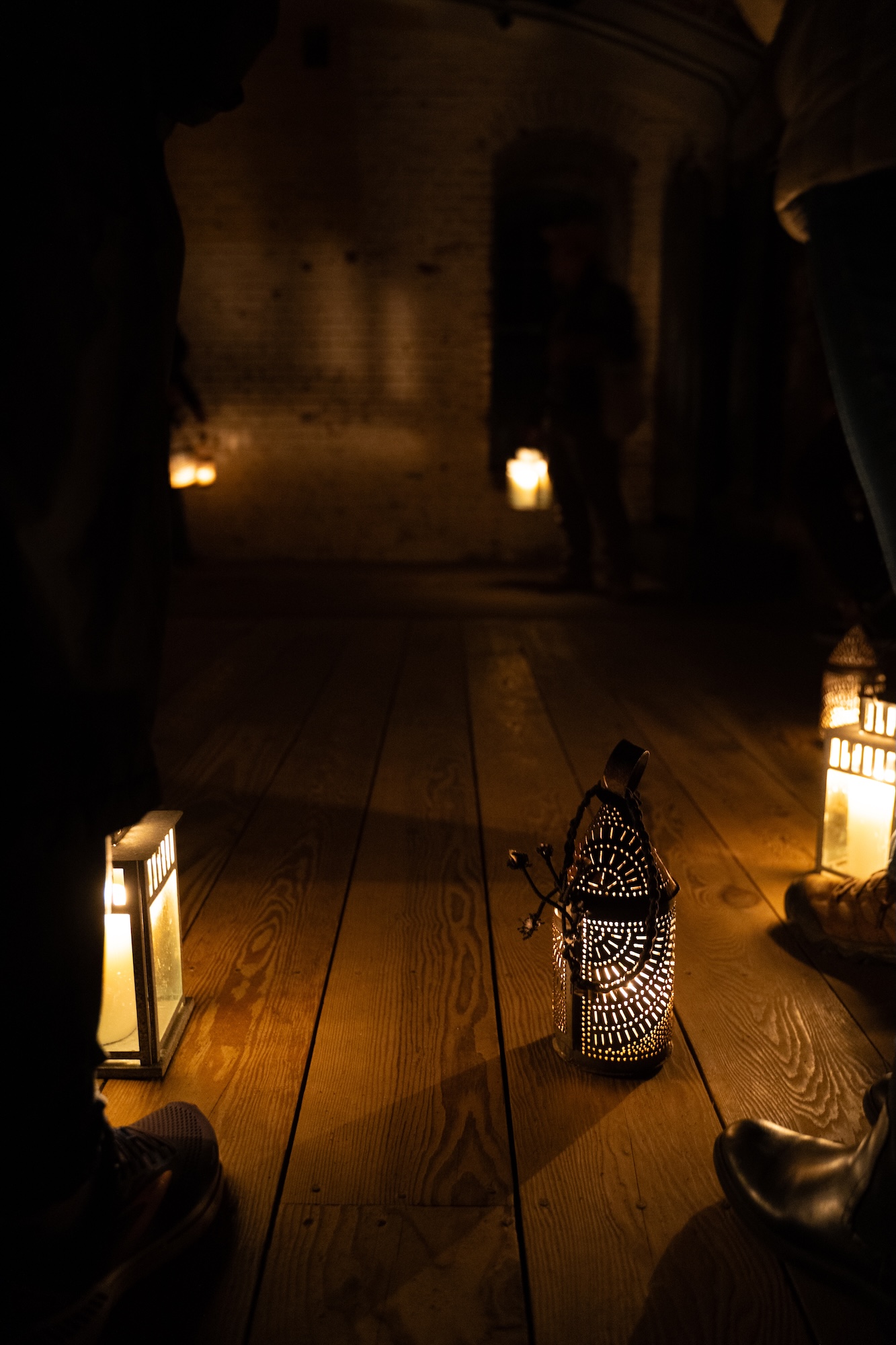
The Lantern Tour is a special after-hours experience that offers a completely different perspective on Fort Point. Held in the evening, the tour is guided by park rangers and volunteers using lantern light to lead visitors through the fort’s darkened corridors, staircases, and chambers. Without the usual daylight and crowds, the focus shifts to atmosphere and storytelling, bringing the fort’s history to life in a way that feels immersive and intimate. The low light highlights the fort’s architectural details while creating a sense of what it might have felt like for soldiers stationed there at night.
Rather than being a traditional, fact-heavy tour, the Lantern Tour leans into mood, history, and human stories. Guides often share lesser-known details about daily life at the fort, its strategic role, and the people who worked and lived there. It’s equal parts history lesson and experience, making it especially appealing for visitors who want something more memorable than a standard daytime visit.
WHEN DO THE LANTERN TOURS OPERATE?
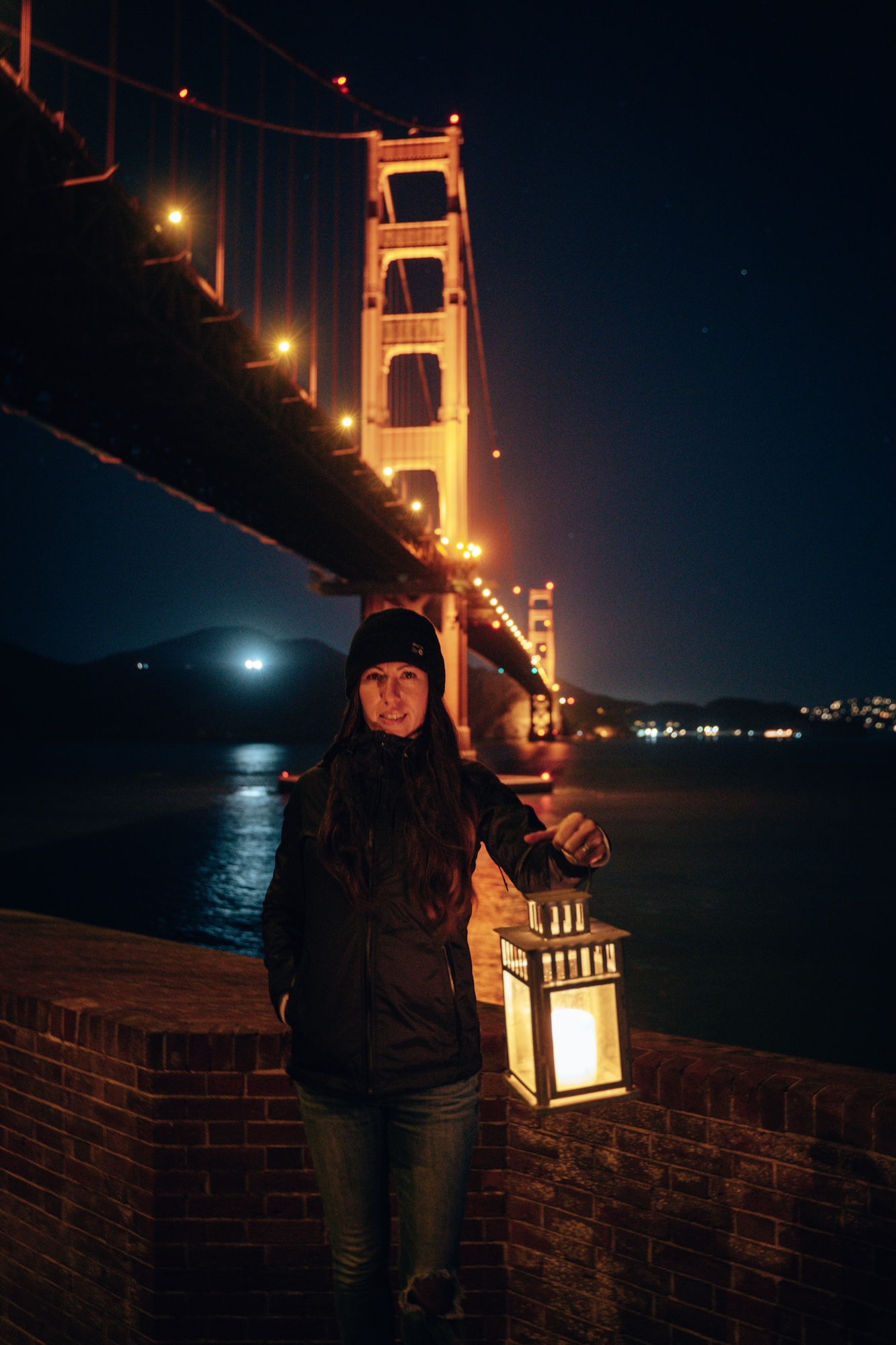
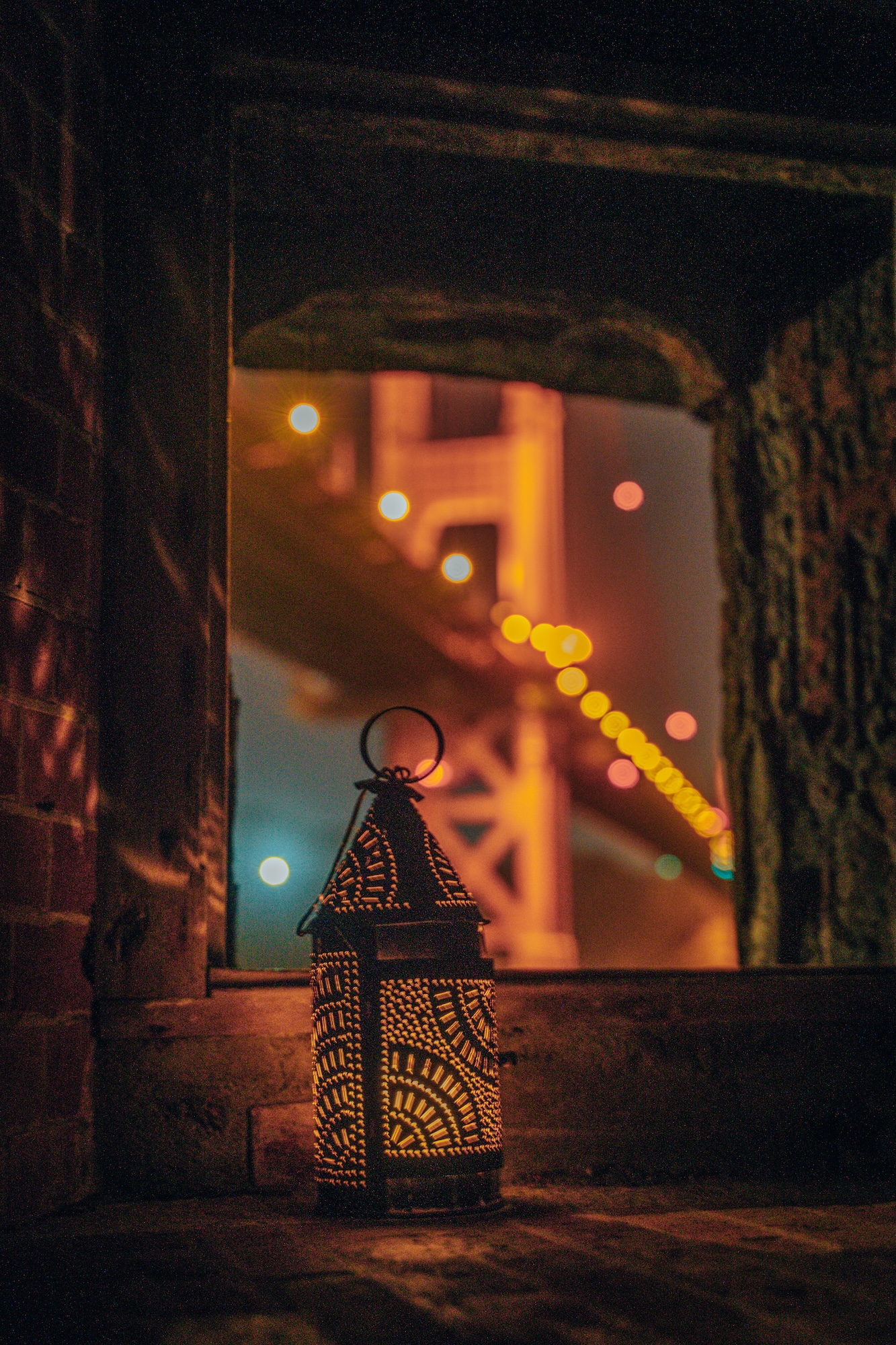
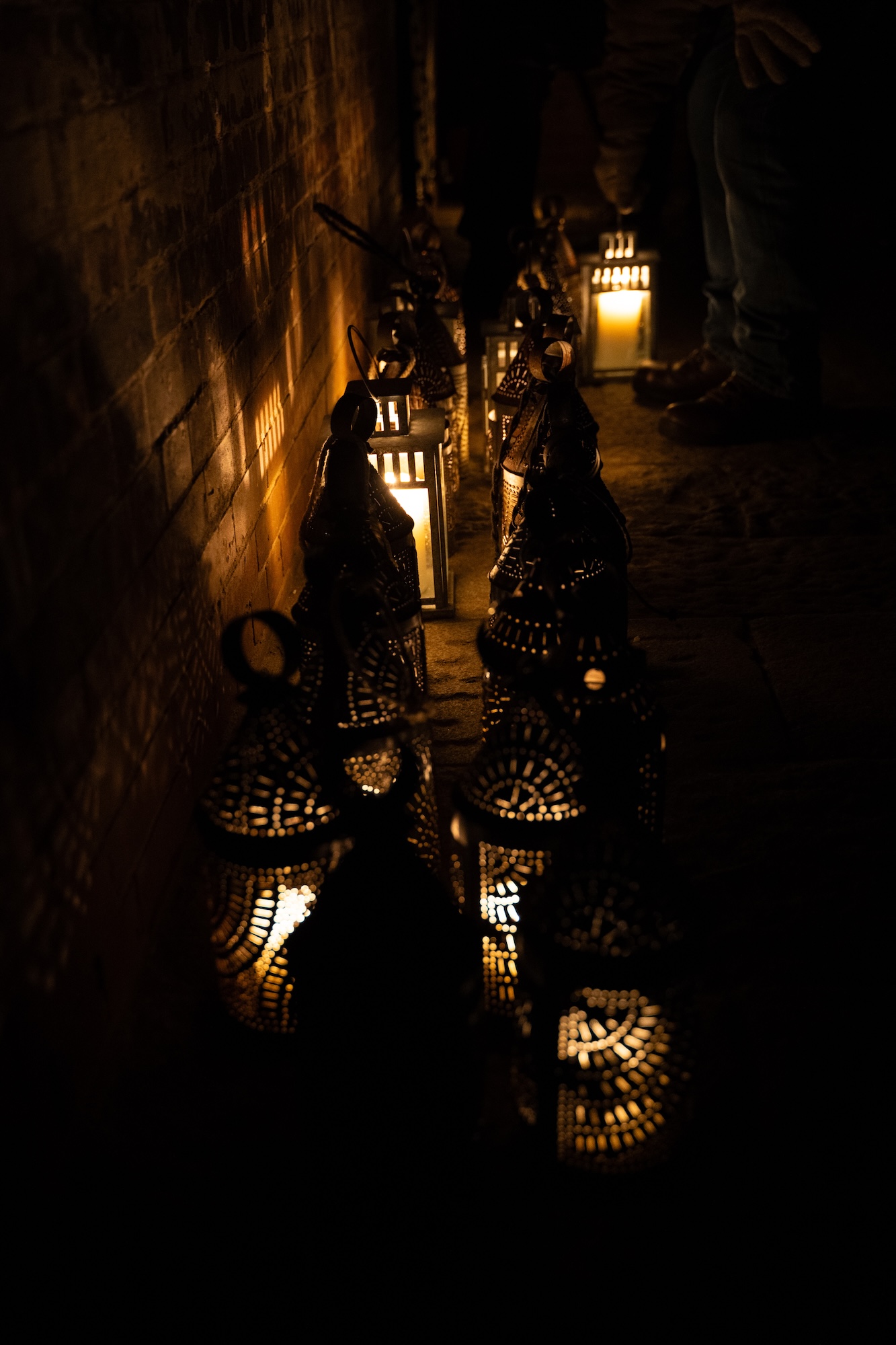
Lantern Tours at Fort Point operate on a seasonal schedule, usually every Saturday evening from November through February, taking advantage of shorter days and early sunsets to create a more immersive, after-dark experience. Tours begin after sunset (with start times shifting slightly throughout the season), last about an hour, and have limited capacity, so tickets often sell out in advance. If the Lantern Tour is a priority, it’s best to plan your visit around a Saturday evening and book ahead.
DO YOU NEED RESERVATIONS?
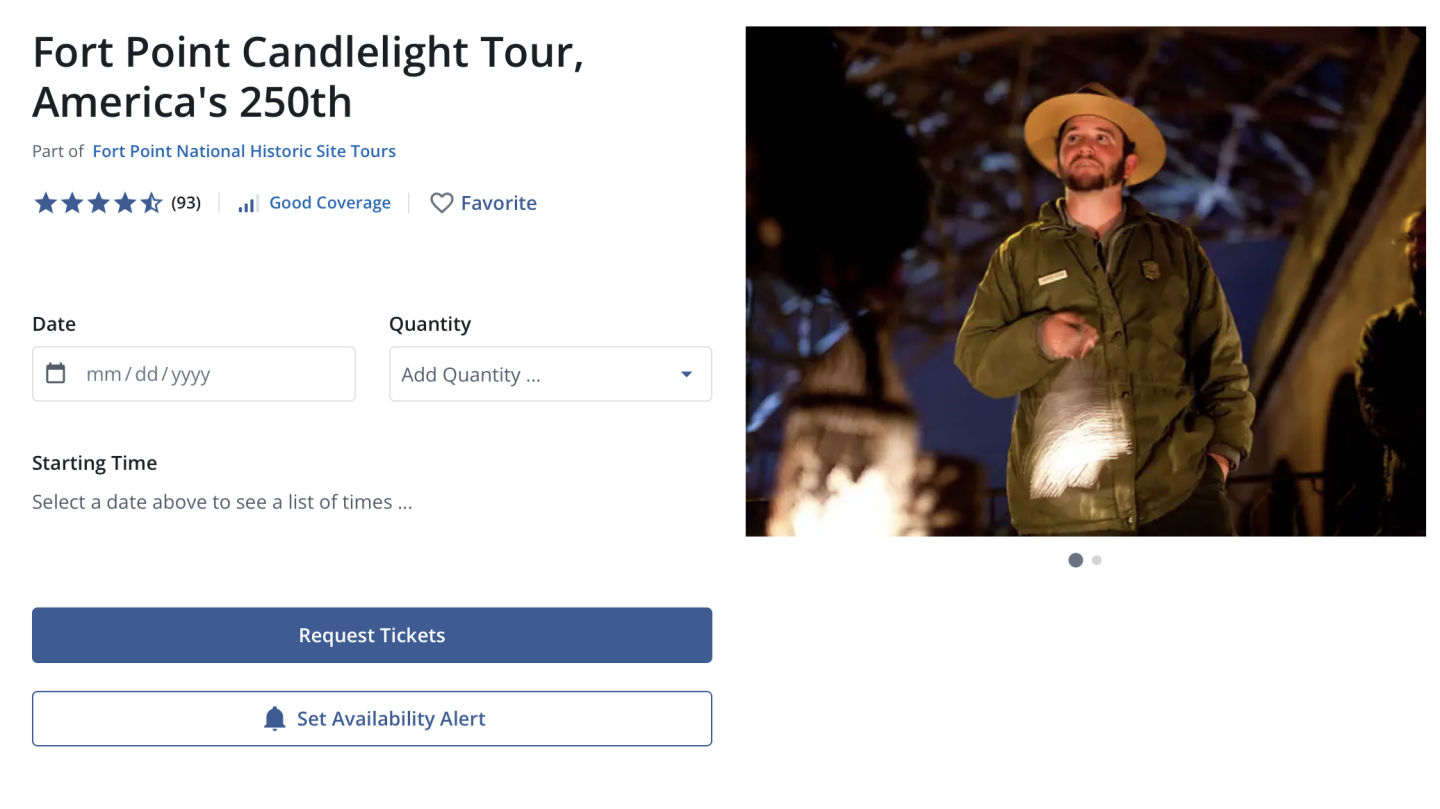
Reservations are required for Fort Point’s Lantern Tours, which are listed as the Fort Point Candlelight Tour on Recreation.gov. Tickets are released in advance, often filling quickly due to limited capacity and seasonal scheduling. The tour isn’t open to walk-ins, so having a confirmed reservation is essential to participate. Plan to arrive about 15 minutes early to check in with a ranger and confirm your start time, which is noted on your ticket.
IS THE TOUR PET-FRIENDLY?
Unfortunately the Lantern Tour at Fort Point is not pet-friendly. For the safety and comfort of all participants, animals (including dogs and service animals not specifically cleared in advance) are not permitted on the Lantern Tour. If you’re visiting Fort Point with a pet, it’s best to plan for someone to stay with them outside the tour or make arrangements before your visit. The site itself has outdoor spaces where pets on leash are allowed during daytime hours, but they cannot participate in the guided lantern experience.
WEATHER AT FORT POINT NATIONAL HISTORIC SITE
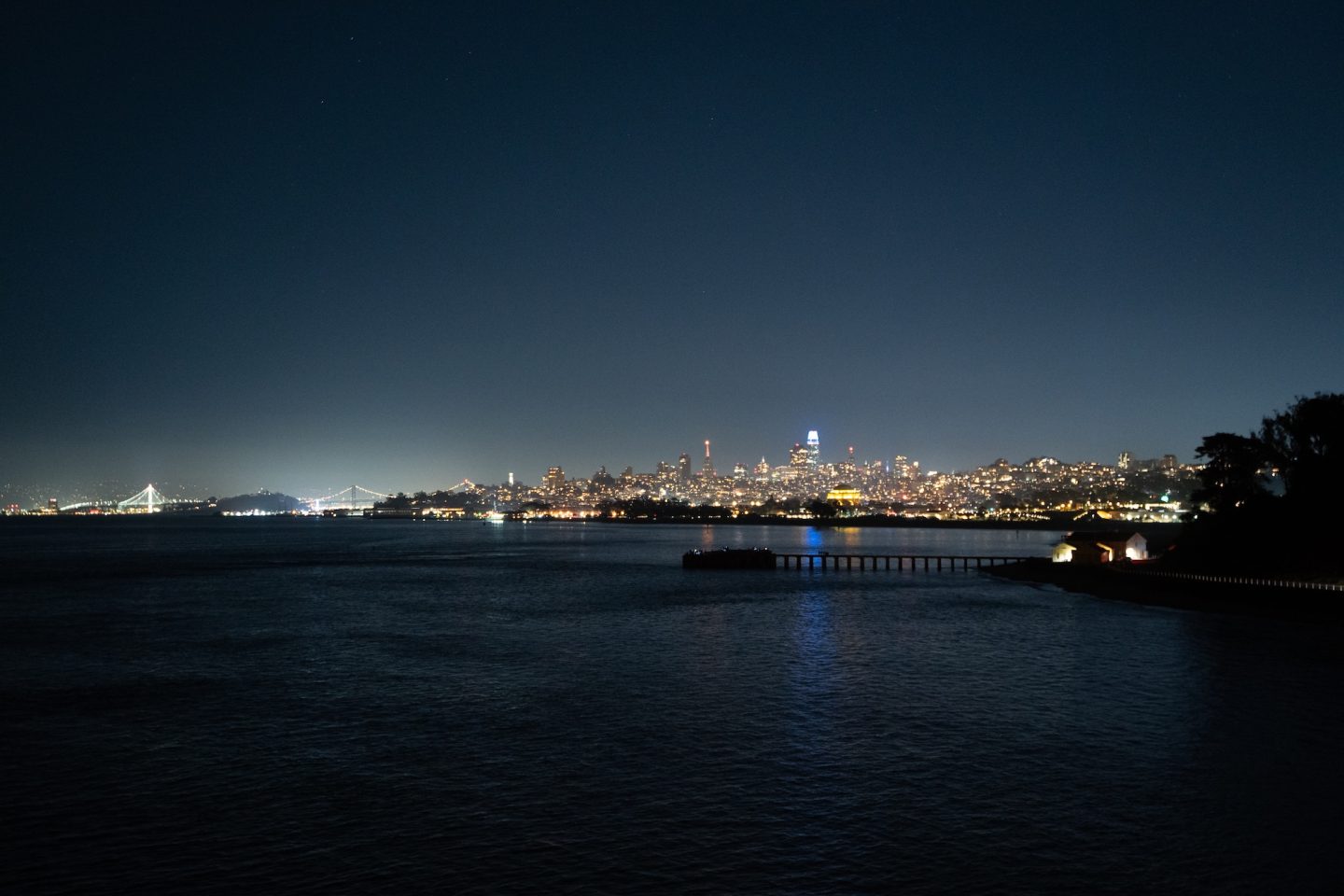
Weather at Fort Point National Historic Site is shaped by its location right on San Francisco Bay, which means conditions can be cool, breezy, and changeable year-round. Even in summer, temperatures often stay in the 50s and 60s, with a steady marine breeze that can make it feel cooler than the forecast suggests. Fog and low clouds are common, especially in the morning and evening, and wind can pick up sharply near the water. If you’re attending a Lantern Tour—especially in fall or winter—plan to dress in layers, bring a warm jacket, and be ready for cold, damp air once the sun goes down.
WHAT TO BRING
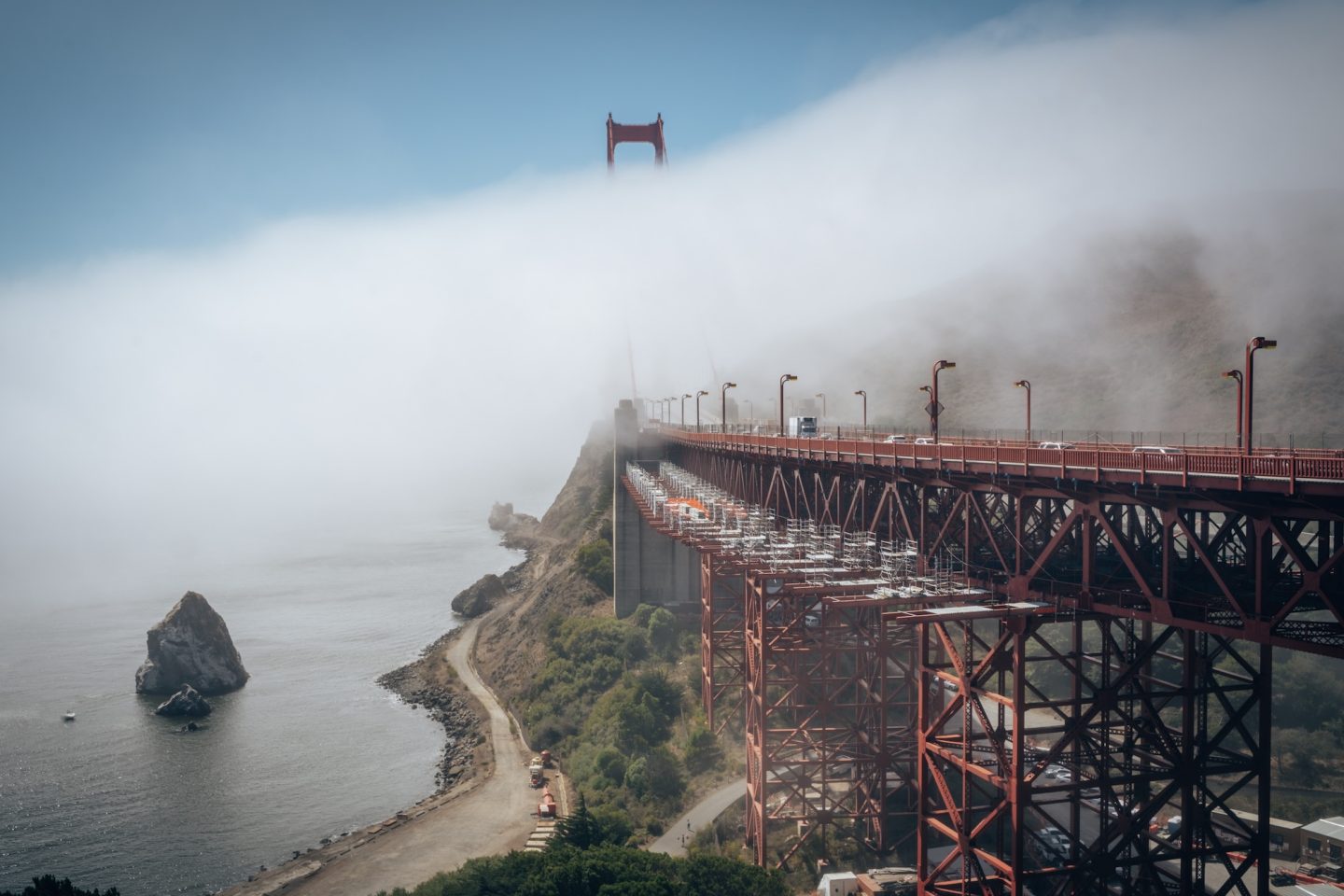
Dress warmly and plan for changing conditions, especially in the evening. Layers are essential, including a warm jacket, hat, gloves and closed-toe shoes with good traction for stairs and uneven surfaces. A flashlight or headlamp can be helpful for navigating darker areas before and after the tour. Though guides provide lighting during the experience. Photography is allowed on the lantern tour, but low-light conditions mean a camera or phone with strong night performance works best. Leave bulky gear behind and skip tripods, as space is limited and the tour keeps moving.
- Warm layers
- Outer rain/wind shell
- Gloves
- Sturdy (waterproof if possible) shoes
- Headlamp or flashlight
- Tripod for phone or camera
Check out our specific gear recommendations here: Gear Recommendations
OTHER THINGS TO PLAN FOR
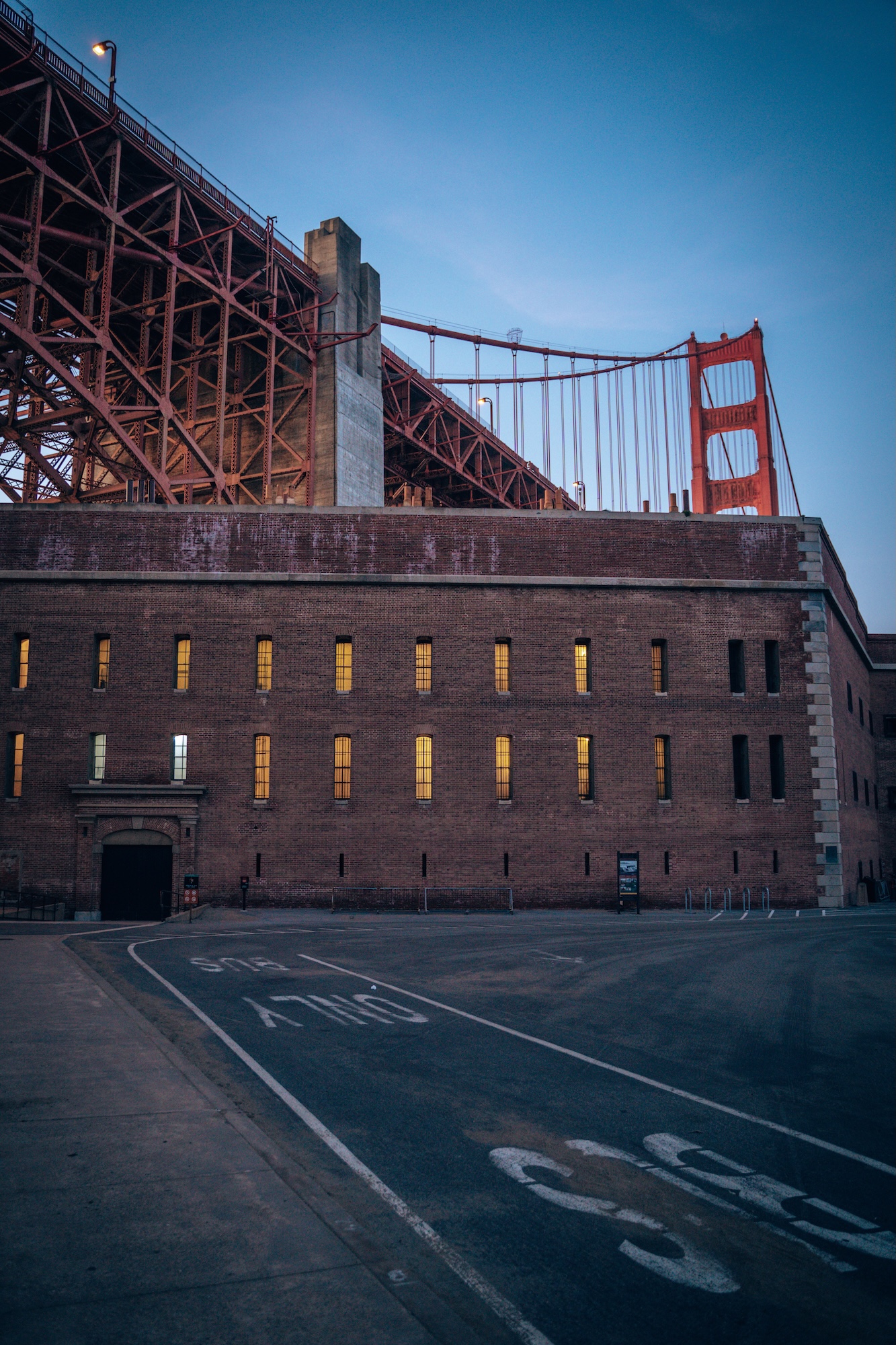
Before you go, it’s worth planning for a few logistical details that can catch visitors off guard. Parking near Fort Point is limited and can fill up quickly, especially on lantern tour nights. So arriving early is your best bet. Restrooms are available on-site, but there are no food or drink services, so plan to eat beforehand. The fort has multiple staircases and uneven surfaces. And while some areas are accessible, the tour covers multiple levels making it challenging for those with limited mobility. Cell service can also be spotty inside the structure, so download tickets, maps, and directions in advance to avoid any last-minute hiccups.
FORT POINT NATIONAL HISTORIC SITE FAQS
- When do the lantern tours take place? Lantern tours typically run on Saturday evenings from November through February, with limited dates each season.
- Do I need reservations for the lantern tour? Yes. Reservations are required and must be booked in advance through Recreation.gov. Walk-ups are not guaranteed.
- How long is the lantern tour? Most lantern tours last about 90 minutes, including guided storytelling and time to explore different levels of the fort.
- Is the lantern tour family-friendly? Yes, but it’s best suited for older children. The dark setting, stairs, and uneven surfaces may be challenging for younger kids.
- Is Fort Point accessible? Some areas are accessible, but the lantern tour involves stairs, low lighting, and uneven floors, which can limit accessibility.
- Is the lantern tour pet-friendly? No. Pets are not allowed on the lantern tour or inside the fort, except for service animals.
OTHER THINGS TO DO NEAR FORT POINT NATIONAL HISTORIC SITE
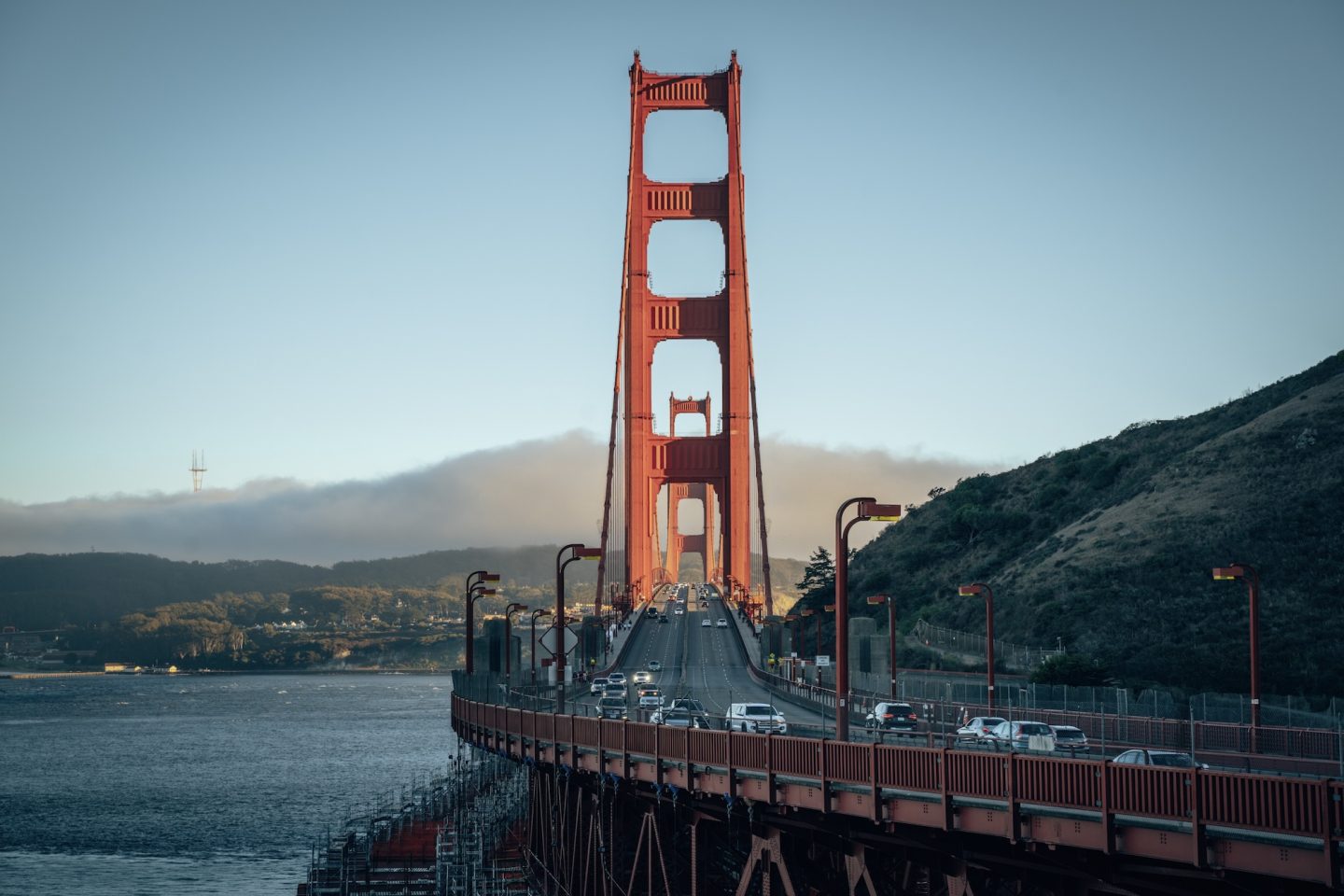
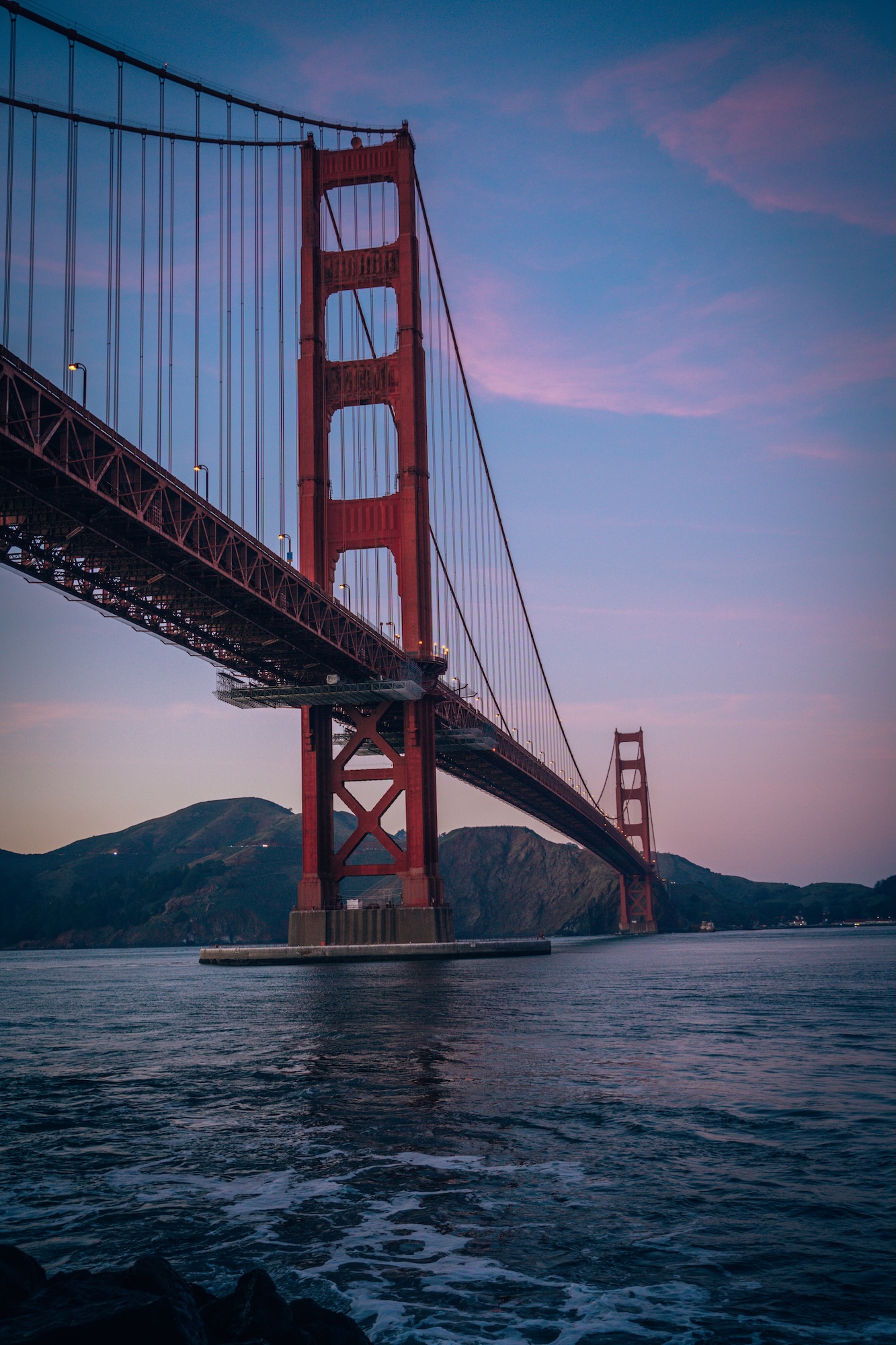
While Fort Point and its lantern tour are worth a visit on its own, the surrounding area has plenty more to explore. Just up the hill in the Marin Headlands is Kirby Cove, a secluded beach spot with one of the best views of the Golden Gate Bridge. It’s perfect for a picnic or photo stop before or after your tour. If you’re interested in more classic viewpoints, our ways to view the Golden Gate Bridge article highlights a variety of scenic spots around the bay that make great half-day excursions. For a longer adventure, consider catching a ferry to Angel Island, where you’ll find panoramic bay views, historic sites, and hiking trails that showcase the region’s natural and cultural history.
FORT POINT NATIONAL HISTORIC SITE: LANTERN TOUR
Going on a lantern tour of Fort Point National Historic Site offers a rare chance to experience San Francisco from a quieter, more atmospheric perspective. Whether you’re drawn by the history, the dramatic setting beneath the Golden Gate Bridge, or the unique experience of exploring the fort by lantern light, a visit here feels both grounded and memorable. With a little planning around timing, weather, and logistics, the lantern tour becomes more than just a walk through an old structure—it’s an immersive way to connect with the city’s past while standing at one of its most iconic locations.
CALIFORNIA BUCKET LIST MAP
Want to see this location as well as other things to do nearby? If so, this map is for you. Not only does our bucket list map and guide to California have ALL the details and location info for this tour, but it also has over 750 other points of interest in California in it. With all of the location specific details and information like GPS location, dog-friendliness, cost, and more. And with an itinerary creator, this map is the perfect trip planning companion.
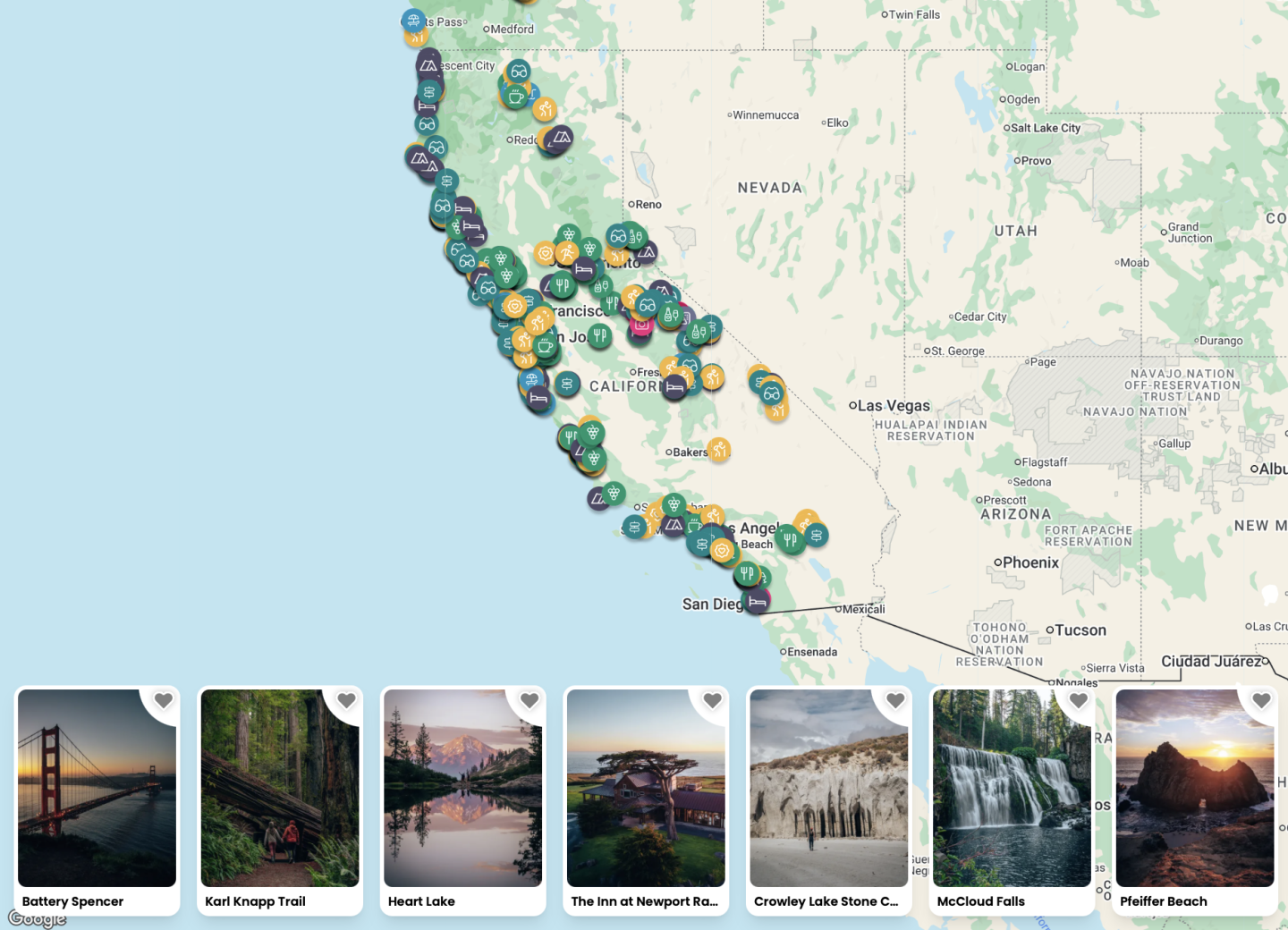
Not much of a planner? No worries! We also have curated itineraries to make the planning process easier for you. And if that isn’t enough, book a call with us or have us create a custom itinerary for you! We are here to help!
Happy exploring!
